Is It Safe to Go to Merzouga? A Local’s Honest Safety Guide
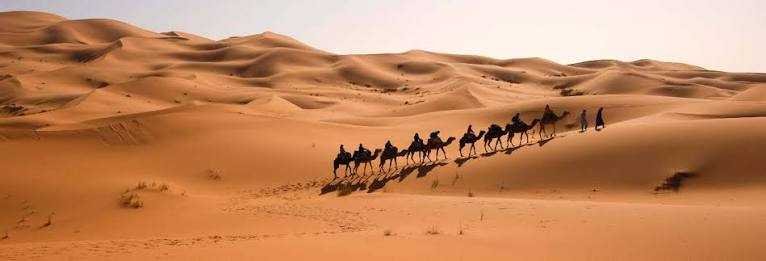
Planning a trip to the Sahara and wondering is it safe to go to Merzouga? It is a fair question. The village sits at the edge of the desert, close to the Algerian border, and for many travellers it is their first time in a place this remote.
We are a Berber family born and raised in Merzouga, and we have spent our lives guiding visitors through these dunes. In this guide we explain the real risks (most of them have nothing to do with crime), how to avoid them, and what you can expect when you arrive.
Quick Answer: Is Merzouga Safe?
Yes. Merzouga is generally a safe and welcoming destination, visited every year by many thousands of travellers, families and solo visitors from all over the world. Violent crime against tourists is rare, the local community depends on tourism and takes care of its guests, and the area has well-established guesthouses, camps and guides.
The real risks in Merzouga are mostly natural and practical: heat, sun, long road journeys, getting lost in the dunes or riding a quad without proper guidance. All of them are easy to manage with a little preparation.
Merzouga Safety at a Glance
| Topic | Risk level | What to do |
|---|---|---|
| Crime against tourists | Low | Normal precautions with valuables |
| Heat and sun | High in summer | Water, shade, hat, activities at dawn and dusk |
| Getting lost in the dunes | Medium if alone | Always go with a local guide |
| Quad and buggy riding | Medium | Guided rides, helmets, follow instructions |
| Road travel | Medium | Experienced driver, avoid driving at night |
| Scams and touts | Low to medium | Book with a reputable local company |
| Flash floods | Rare | Follow local advice after heavy rain |
Is Merzouga Dangerous Because It Is Near Algeria?
Erg Chebbi lies close to the Algerian border, which worries some travellers. In practice, the border between Morocco and Algeria has been closed for decades and is controlled, and the Merzouga area is a long-established, busy tourist zone. You will see visitors of every age walking through the village, riding camels and staying in camps throughout the year.
What matters is to stay within the normal tourist areas and routes, which is exactly where every tour and camp operates. Your guide knows where you can and cannot go. As with any destination, check your own government’s travel advice for Morocco before you travel.
The Real Risks in Merzouga (and How to Avoid Them)
1. Heat, Sun and Dehydration
This is the number one risk in the desert. In summer, daytime temperatures can pass 40°C, and the sun reflects strongly off the sand.
- Drink water regularly, even when you are not thirsty.
- Wear a hat or a scarf (shesh), sunglasses and high-factor sunscreen.
- In summer, plan activities for early morning and late afternoon, like our sunrise camel tour or a sunset camel ride.
- Rest in the shade between midday and mid-afternoon.
2. Getting Lost in the Dunes
The dunes look small from the village, but once you are among them every direction looks the same and the shapes change with the wind. Never walk deep into the erg alone, especially late in the day. Go with a local guide who knows the dunes. Our guides grew up here and can find their way in the dark.
3. Quad and Buggy Riding
Riding a quad or buggy over the dunes is great fun, but dunes have sudden drops and soft sand. Safety comes from good equipment and a guide who knows the terrain.
- Always ride with a guide and follow their line.
- Wear the helmet and goggles provided.
- Start slowly and tell your guide if you are a beginner.
- Choose an operator with well-maintained vehicles. Our quads are automatic, which makes them easier for beginners, and our buggy tours always run with a guide.
4. Long Road Journeys
Statistically, the road to Merzouga is a bigger risk than the desert itself. The drive from Marrakech crosses the High Atlas mountains with many bends, and roads in the south can have livestock, trucks and poor lighting.
- Travel with an experienced local driver if you are not used to mountain roads.
- Avoid driving at night.
- Split the journey over two days rather than rushing.
- If you are renting a car, do not drive into the dunes: the sand traps ordinary cars very quickly.
5. Cold Nights in Winter
From December to February, nights in the desert can drop close to freezing. Bring warm layers, a hat and thick socks. Good camps provide heavy blankets. See our desert camps for options.
6. Flash Floods After Heavy Rain
Rain is rare in Merzouga, but when a big storm hits, dry riverbeds (oueds) can flood suddenly and some tracks become impassable. It does not happen often, but if there has been heavy rain, always follow local advice and never try to cross flooded tracks.
7. Wildlife
Scorpions and snakes exist in the desert, but encounters with tourists are rare, especially in the cooler months. Shake out your shoes in the morning, use a torch when walking at night and never put your hands under rocks.
Scams and Touts: What to Watch Out For
Serious crime is uncommon, but as in many tourist destinations you may meet people trying to sell you something on the road.
- Roadside “guides” who wave you down near Rissani or Erfoud offering hotels or camps. Politely decline and go to the place you booked.
- Very cheap deals that leave out important things like water, dinner or the camel ride back.
- Fossil and souvenir shops with inflated prices. Bargaining is normal.
The best protection is to book directly with a reputable local company that tells you clearly what is included. Read real guest reviews on our testimonials page.
Is Merzouga Safe for…?
| Traveller | Is it safe? | Our advice |
|---|---|---|
| Solo female travellers | Yes, generally | Dress modestly in the village, book with a known operator, keep your accommodation informed of your plans |
| Families with children | Yes | Choose a camp that is easy to reach, plenty of water and sun protection |
| Older travellers | Yes | Short camel rides or a 4×4 jeep to camp instead of a long trek |
| Solo travellers | Yes | Merzouga is friendly and easy to meet other travellers |
| Beginners on quads | Yes, with a guide | Start with a 1 hour quad ride on automatic quads |
Are Desert Camps in Merzouga Safe?
Yes. Camps in Erg Chebbi are run by local families and staff who stay with guests overnight. They are usually set in sheltered spots between the dunes, with staff on site through the night. When choosing a camp, check:
- That staff stay at the camp overnight.
- That there is enough drinking water and blankets.
- How you get to and from the camp (camel, 4×4 or quad), and that it is with a guide.
- Recent reviews mentioning cleanliness and service.
Our camel ride and night in a desert camp and overnight desert camp always include guided transfers to and from the camp.
Health and Medical Care
- Merzouga has basic facilities; the nearest larger towns with more medical services are Rissani, Erfoud and Errachidia.
- Bring any personal medication with you, plus a small first aid kit.
- Drink bottled or filtered water.
- Take out travel insurance that covers medical evacuation and adventure activities such as quad biking.
Useful Emergency Numbers in Morocco
| Service | Number |
|---|---|
| Police (in towns) | 19 |
| Royal Gendarmerie (rural areas) | 177 |
| Ambulance and fire | 15 |
Save your guide’s and your accommodation’s phone numbers in your phone as well.
10 Safety Tips for Your Merzouga Trip
- Book with a reputable, licensed local operator.
- Never go into the dunes alone, especially at night.
- Drink water constantly and protect yourself from the sun.
- Avoid driving at night on desert and mountain roads.
- Always wear a helmet on quads and buggies.
- Keep valuables in a safe place at your hotel or camp.
- Dress respectfully in the village.
- Pack warm clothes for the nights.
- Carry a charged phone and a power bank.
- Check your government’s travel advice and get travel insurance.
Frequently Asked Questions
Is Merzouga safe at night?
The village and camps are calm and safe at night. The main thing is not to wander into the dunes alone in the dark, where it is very easy to lose your way.
Is it safe to drive to Merzouga by yourself?
The main roads to the village are paved and in reasonable condition. Drive in daylight, take breaks and do not drive off-road into the sand with a normal rental car.
Is Merzouga safe for women travelling alone?
Many women travel to Merzouga alone every year and have a great experience. Use the same common sense you would anywhere, dress modestly in the village and book with a well-reviewed operator.
Is it safe to visit Merzouga in summer?
Yes, if you respect the heat. Do activities at sunrise and sunset, rest in the shade at midday and drink plenty of water.
Final Verdict: Yes, Merzouga Is Safe, With Common Sense
Merzouga is a peaceful village with a warm community and a long tradition of welcoming travellers. Respect the desert, stay hydrated, travel with a local guide, and you can relax and enjoy one of the most beautiful places on earth. Still deciding whether to go? Read our honest guide Is Merzouga Desert Worth It?
We are a local family company with years of experience as camel guides and tour leaders, and safety is at the heart of everything we do. If you have any questions before your trip, contact us or send us a message on WhatsApp. We are happy to help.