What to See in Casablanca: Complete Guide to Morocco’s Big Coastal City
What to see in Casablanca? The must-sees are the Hassan II Mosque, the Corniche along the Atlantic, the old medina, the Habous quarter, the Art Deco buildings of the city centre, the Central Market and Rick’s Café, with extra stops at the Museum of Moroccan Judaism and a good seafood lunch. Casablanca is Morocco’s largest city and main airport hub, and it is worth at least one full day before you head to Marrakech, Fez or the desert.
Below you will find the sights in a sensible order, so you can build your own route.
Many visitors treat Casablanca only as an arrival airport, but the city has a lot to offer: one of the largest mosques in the world, grand colonial-era architecture, beaches, markets and a lively modern side. This guide explains the best sights, how long to stay, where to eat, how to get around, day trips and how Casablanca fits into a longer Morocco trip that ends in the Sahara. A long FAQ is at the end.
Where is Casablanca and why visit?
Casablanca lies on the Atlantic coast of central-western Morocco, about 90 km south of Rabat and roughly 240 km north of Marrakech. It is the economic capital of Morocco, with a busy port, business districts and the country’s biggest airport, Mohammed V. The city is modern and fast-paced, which is exactly why it feels different from the medina cities.
Reasons to visit: iconic architecture, ocean views, food, shopping, and a good place to rest after a flight. For the wider picture of the country, read where is Morocco.
The best things to see in Casablanca
1. The Hassan II Mosque
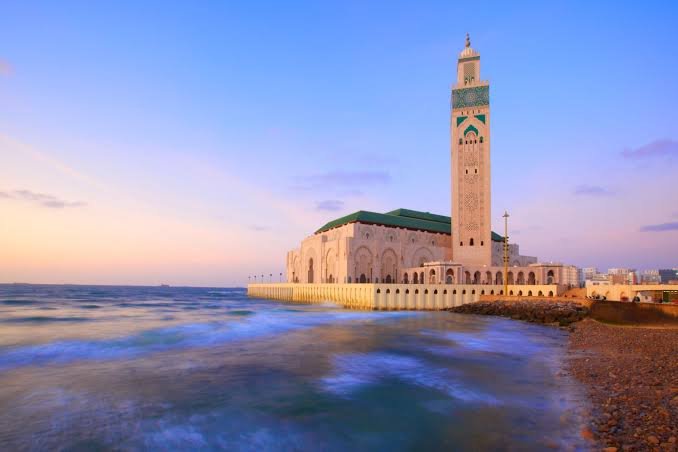
The Hassan II Mosque is the number one sight in the city and one of the biggest mosques in the world. It was completed in 1993, partly built over the Atlantic Ocean, and its minaret rises to about 210 metres. Inside, you can see huge halls, carved cedar ceilings, marble floors, mosaics and fountains. Guided visits are open to non-Muslims at set times, so check the schedule, book if needed and dress modestly. Go in the morning, when it is cooler and quieter, and allow about one hour.
2. The Corniche (Ain Diab)
The Corniche is a long seafront strip with beaches, cafés, restaurants, beach clubs and walks along the sea. In summer it is busy with locals, and in the evening it is a good place to watch the sunset, have a drink and eat fish. Swimming conditions vary and the Atlantic can be strong, so follow local advice and flags.
3. The old medina
Casablanca’s medina is small and less touristic than in Fez or Marrakech, which makes it relaxed. You will find whitewashed lanes, local shops, bakeries and small cafés. Near the port is the old Sqala, a historic fortress platform with a garden restaurant, popular for a quiet tea or lunch.
4. The Habous quarter (New Medina)
Built in the 1920s and 1930s in a Moroccan style by the French authorities, the Habous quarter has arcaded streets, bookshops, pastry stores, craft shops and a calm atmosphere. It is great for souvenirs, sweets and a walk without hassle.
5. Art Deco and colonial architecture
Downtown Casablanca is famous for its Art Deco and Mauresque buildings, around Mohammed V Square, the Place des Nations Unies and the boulevards nearby. A self-guided walk with your eyes up is rewarding: carved facades, balconies, old cinemas and hotels. Some guided architecture walks are offered locally.
6. Mohammed V Square and the Habous courthouse area
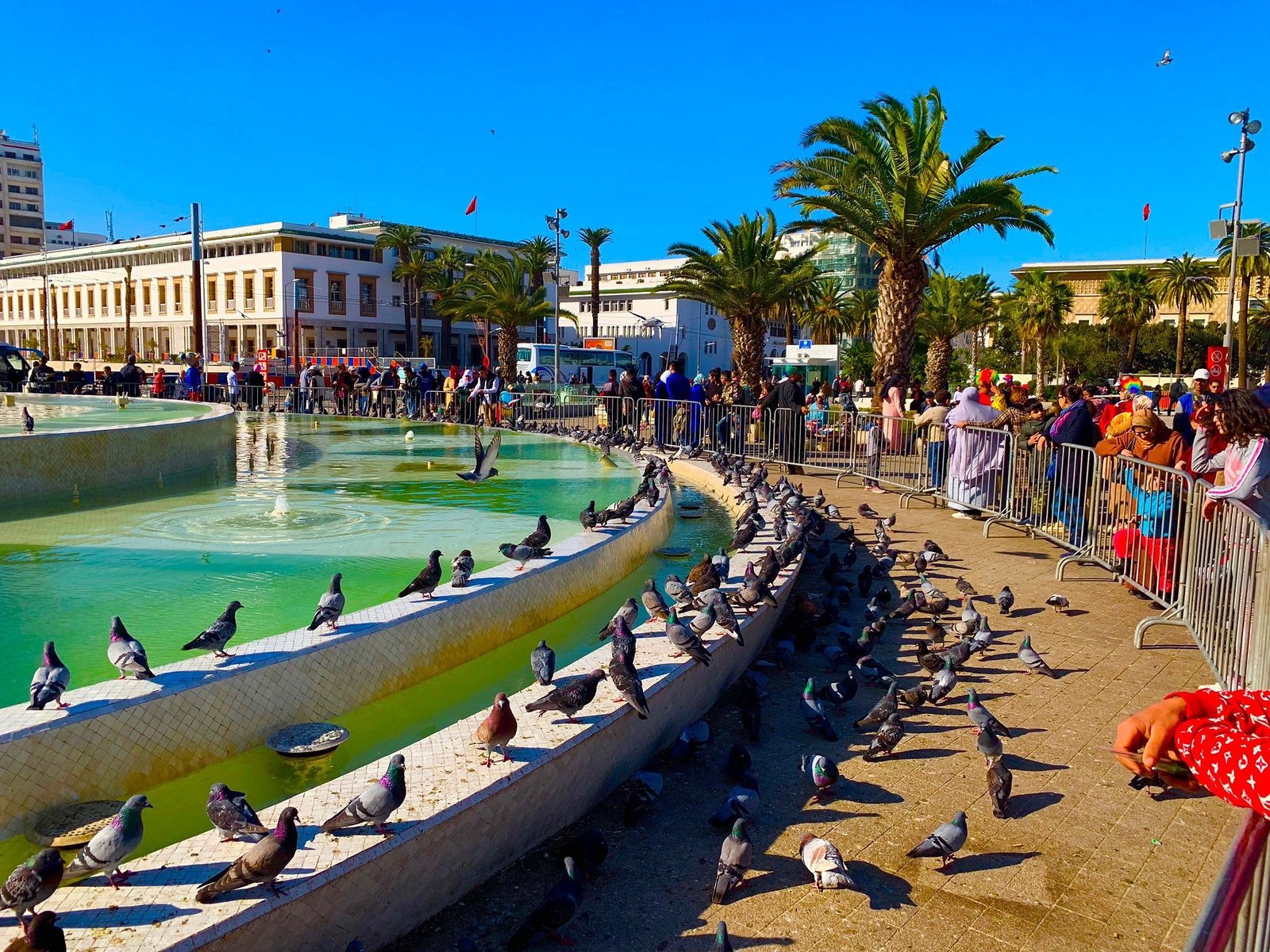
The central square is surrounded by administrative buildings, a fountain and a lively mix of locals. It is the heart of the civic city and a handy reference point for exploring on foot.
7. Central Market (Marché Central)
A covered market with fresh fish, meat, fruit and vegetables, plus small restaurants that grill seafood to order. It is one of the best places for a simple, authentic lunch, but go with an open mind and ask the price before you order.
8. Rick’s Café
Rick’s Café is a restaurant and piano bar designed to recall the 1942 film “Casablanca”. It opened in the 2000s, so it is not a historic place, but it has a charming Art Deco courtyard and live piano music. Book a table for dinner, especially in high season.
9. The Museum of Moroccan Judaism
This museum presents the long history and culture of Jews in Morocco, with objects, clothing and documents. It is considered a unique institution in the Arab world and gives valuable context on Moroccan diversity. Check opening hours before you go.
10. Parks, cathedrals and modern spots
The Arab League Park is a large green space for a walk. The former Sacré-Cœur cathedral is a striking white building from the early 20th century, often seen from outside. Modern malls and the Morocco Mall near the Corniche offer shopping, an aquarium-style attraction and sea views. These are good if you have rain or need a break from the heat.
How many days do you need in Casablanca?
- A few hours: the Hassan II Mosque and a lunch by the sea.
- One day: the mosque, medina, Habous quarter, Central Market and Corniche at sunset.
- Two days: add Rick’s Café, the Museum of Moroccan Judaism and a day trip to Rabat or El Jadida.
One full day is the sweet spot. If you arrive by plane, sleep one night, enjoy a day and take the train to Marrakech or Fez the next morning.
A one-day Casablanca itinerary
- Morning (9:00): guided visit to the Hassan II Mosque, then a walk on the waterfront.
- Late morning: the old medina and the Sqala.
- Lunch: grilled fish at the Central Market or a seaside restaurant.
- Afternoon: the Habous quarter for pastries, books and crafts, then an Art Deco walk around Mohammed V Square.
- Sunset: the Corniche at Ain Diab with a coffee or a drink.
- Evening: dinner at Rick’s Café or a local restaurant.
Where to eat in Casablanca
Casablanca is a good food city. Look for grilled sardines, calamari, prawns and sea bream, seafood pastilla, fish tajine, couscous on Fridays, and traditional pastries and mint tea. At the Central Market you can pick your fish and have it grilled. In the city centre you find French-style cafés and bakeries, and on the Corniche there are many modern restaurants. Vegetarians can enjoy vegetable tajines, salads and couscous. Ask for the price when ordering by weight.
Where to stay
- Downtown: convenient for the train station, the medina and the Art Deco area.
- Corniche and Ain Diab: beach hotels with sea views, good for summer.
- Near the Hassan II Mosque: quieter, with views of the minaret.
- Near the airport: practical for early flights, but far from the sights.
How to get around Casablanca
- Tramway: a modern tram runs through the city and is cheap and easy for the centre.
- Petit taxis: red taxis for short trips. Make sure the meter is used.
- Ride apps and private drivers: convenient for the mosque and the Corniche.
- Walking: good in the centre, the medina and the Habous quarter.
Traffic is heavy at rush hour, so avoid long drives between 5:00 and 7:00 pm.
How to get to Casablanca and onward
- By air: Mohammed V International Airport is the main hub, with direct trains to the city centre.
- By train: frequent trains link Casablanca with Rabat, Marrakech, Fez and Tangier. Book in advance for peak hours.
- By road: motorways connect to Rabat, Marrakech and El Jadida. Read car rental in Morocco before you drive.
- To Marrakech: about 240 km, usually around 3 hours by road or train.
- To Fez: about 300 km, 3.5 to 4 hours by road or train.
Learn about Marrakech in where is Marrakech.
Day trips from Casablanca
- Rabat: the capital, about an hour by train, with the Kasbah of the Udayas, the Hassan Tower and the Chellah.
- El Jadida: a coastal town with a Portuguese cistern and old ramparts.
- Azemmour: a quiet, whitewashed town on the river.
- Mohammedia: a relaxed beach town close to the city.
- Marrakech: possible as a long day trip, but better to stay overnight.
From Casablanca to the desert
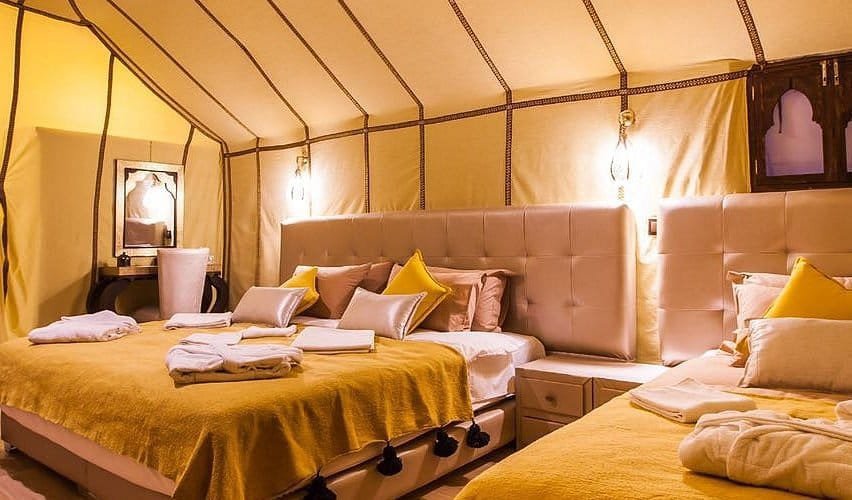
Casablanca is about 800 km from Merzouga, so the desert is a multi-day trip. The normal plan is to take the train to Marrakech or Fez, then join a desert tour. Read the options in best desert tour from Marrakech, tour from Fez to Merzouga and what can you do in 3 days from Marrakech to Merzouga. For airports and transfers read nearest airport to Merzouga, and for all experiences see desert excursions in Morocco.


Best time to visit Casablanca
Casablanca has a mild Atlantic climate. Spring (March to June) and autumn (September to November) are the most comfortable. Summer is warm and humid but cooled by the sea, and the Corniche is lively. Winter is mild with some rain, so bring a light jacket and an umbrella. The sights are open all year, so the city works as a stop in any season. For desert seasons see the best time to go to Merzouga.
Tips for visiting Casablanca
- Dress modestly for the mosque, covering shoulders and knees, and women should bring a scarf.
- Check opening times for the mosque and museums before you go.
- Use official taxis with meters and keep small change.
- Be careful with phones and bags in crowded areas, as in any big city. Read is it safe to visit Morocco.
- Check entry rules in Morocco visa.
- Do not plan a tight connection if you fly out the same day as a long train ride.
What to see in Casablanca: frequently asked questions
Is Casablanca worth visiting?
Yes, for one day or two. The Hassan II Mosque alone justifies a stop, and the city adds a modern, local side of Morocco.
What is the most famous place in Casablanca?
The Hassan II Mosque, one of the largest in the world, with a minaret about 210 metres high.
How many days do you need in Casablanca?
One full day is enough for the main sights. Two days let you add day trips and slower meals.
Can non-Muslims enter the Hassan II Mosque?
Yes, through guided visits at set times. Check the timetable and dress modestly.
Is Rick’s Café worth it?
It is a stylish restaurant inspired by the film rather than a historic site. It is nice for a special dinner, especially with live piano, but book ahead.
How far is Casablanca from Marrakech?
About 240 km, around 3 hours by train or road.
How far is Casablanca from the desert?
Merzouga is roughly 800 km away. Travel first to Marrakech or Fez, then take a 3-day desert tour.
Is Casablanca safe for tourists?
Generally yes. Use normal city precautions, especially at night and in crowded areas.
Plan your Morocco trip with a local team
If you are landing in Casablanca and want to continue to the desert, we can arrange transport, hotels and a night in the Merzouga dunes. Message us on WhatsApp at +212 620 628 083 or use the contact page. You can also read how to book a Merzouga tour before you decide.