Car Rental Morocco: Requirements, Costs, Driving Rules and Tips
Car rental Morocco is a good way to see the country at your own pace, but it is not for everyone. Main roads are generally paved and well kept, the highways between big cities are fast, and a rental car gives you freedom to stop in villages, gorges and kasbahs. At the same time, city traffic can be chaotic, police checks are frequent, and mountain and desert roads need care. This car rental Morocco guide explains what you need to rent a car, the usual deposit and insurance, the driving rules, tolls and fuel, and when it is easier to hire a private driver instead.
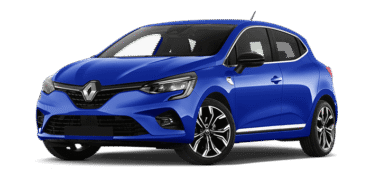
Rental conditions differ between companies and can change, so always read your own contract and confirm the details with the company before you pay.
Car Rental Morocco at a Glance
| Question | Short answer |
|---|---|
| Minimum age | Usually 21, and sometimes 23 or 25 for larger cars. Young drivers may pay a surcharge |
| Licence | A valid licence held for at least one to two years. Check if an international permit is needed for your licence |
| Payment | A credit card in the main driver’s name. Debit and prepaid cards are often refused |
| Deposit | A hold is placed on the card, so keep enough available credit |
| Drive on | The right side of the road |
| Speed limits | Around 40 to 60 km/h in towns, 100 km/h on rural roads, 120 km/h on highways |
| Best car for most trips | A compact car for main roads. A 4×4 only for rough tracks |
| Avoid | Driving after dark outside cities |
What You Need for Car Rental Morocco
- Passport or ID for every registered driver. See our guide to the Morocco visa and entry rules if you are not sure about your entry.
- Driving licence that is valid and has been held for the minimum time set by the company, often one to two years.
- Credit card in the name of the main driver, used for the booking and the deposit.
- Booking confirmation printed or saved on your phone.
Many companies accept a standard licence printed in the Latin alphabet. Some travellers still carry an international driving permit as a backup, and one is usually required if your licence is not in the Latin alphabet. Ask the rental company which they prefer, because police may also ask to see your documents at a checkpoint.
Car Rental Morocco: Deposit, Insurance and Hidden Costs
- Deposit: the company holds an amount on your card until you return the car. Ask for the exact figure and keep enough credit available.
- Insurance: look for a policy with a low or zero excess and check what it excludes, such as tyres, glass, the underside of the car and unpaved roads.
- Mileage: unlimited mileage is useful for long routes such as Marrakech to Merzouga.
- Fuel policy: a full-to-full policy is usually the fairest.
- Extra drivers, child seats and one-way returns: these cost extra, so ask before you book.
- Border rules: rental cars generally cannot be taken out of the country.
At pick-up, take photos or a short video of the whole car, inside and outside, and make sure every scratch is written on the contract. Do the same when you return the car, and ask for a signed confirmation. Prices change with the season and the size of the car, so compare several offers instead of relying on one number.
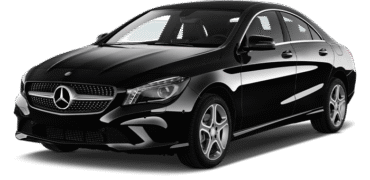
Driving Rules in Morocco
- Drive on the right and overtake on the left.
- Seatbelts are compulsory, and phone use while driving is not allowed.
- Do not drink and drive. The tolerance is very low or zero.
- Give way to cars already inside a roundabout, as signs indicate.
- Speed limits are usually around 40 to 60 km/h in towns, 100 km/h on rural roads and 120 km/h on highways, but always follow the signs.
Police Checks and Speed Cameras
You will see police and gendarmerie checkpoints at the entrance and exit of many towns. Slow down, stay calm, lower your window, greet the officer and show your licence and rental papers when asked. Most stops take less than a minute. Speed is checked with radar and cameras, so respect the limits, especially when the road drops from a fast section into a village. If you receive a fine, ask for an official receipt.
Highways, Tolls and Fuel
- Tolls: the motorways between big cities, such as Casablanca, Marrakech, Rabat and Fes, charge tolls by distance. Carry cash in dirhams because cards are not always accepted. See our Moroccan dirham guide for money tips.
- Fuel: attendants fill the tank at most stations, and a small tip is common. Fill up before long desert or mountain stretches, because stations are far apart.
- Parking: in cities, a parking attendant in a yellow or blue vest usually watches the car for a small tip. Use a hotel or riad car park overnight.
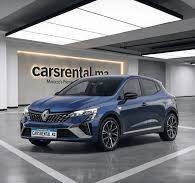
Driving From Marrakech to the Sahara
The classic route from Marrakech to Merzouga crosses the High Atlas, then follows the Draa or Todra valleys to the dunes, and it is long. Plan at least two days of driving with a night on the way, because the mountain bends and the slow trucks make the journey tiring. Main roads are paved, but tracks leading to desert camps may be rough or sandy. A normal car is fine for the main road, while a 4×4 helps on dirt tracks. Check your rental contract, because many policies do not cover off-road driving.
Many visitors prefer to leave the driving to someone else on this route. Our 3-day tour from Marrakech to Merzouga and our 4-day Marrakech desert tour include a driver, stops in the main sights, a camel ride and a night in a desert camp.
Rental Car or Private Driver?
| Option | Best for | Things to consider |
|---|---|---|
| Rental car | Confident drivers who want freedom on a flexible route | Deposit, insurance, fines, parking, tiring mountain roads |
| Private driver | Long distances, families and travellers who want to relax | Less flexible than your own car, but no stress and local knowledge |
| Group tour | Solo travellers and budget trips | Fixed schedule and shared transport |
For help choosing between car rental Morocco and a driver, read our guide to Morocco tour packages and the best time to visit Morocco, since summer heat and winter snow in the mountains both affect driving.
Practical Tips for a Safe Road Trip
- Avoid driving after dark. Animals, pedestrians, bicycles and unlit vehicles are common on roads outside cities.
- Download offline maps and keep your phone charged.
- Keep your documents, the rental papers and a copy of your passport in the car.
- Do not leave valuables visible in a parked car.
- Check the spare tyre, jack and warning triangle before you leave the rental office.
- Save the emergency numbers: police 190, ambulance 15 and rural gendarmerie 177. Confirm them before you travel.
- Be patient in medinas and busy cities, where scooters, carts and pedestrians share the road.
For general background on the country, see Morocco on Wikipedia.
Frequently Asked Questions
Is car rental Morocco safe?
For confident drivers, yes. Main roads are in good condition, but city traffic and mountain bends need care, and night driving is best avoided.
Do I need an international driving permit?
Many companies accept a standard licence in the Latin alphabet, but a permit is needed if your licence uses another alphabet. Ask your rental company.
What is the minimum age to rent a car in Morocco?
Usually 21, with one or two years of driving experience. Some categories need 23 or 25, and young drivers may pay extra.
Can I drive to the Sahara in a normal car?
Yes, the main roads to Merzouga are paved. A 4×4 is only needed for dirt tracks, and your insurance may not cover them.
Do I need cash for tolls and fuel?
Yes, carry dirhams. Cards are often accepted at big stations but not everywhere.
Is a private driver better than a rental car?
For long distances such as Marrakech to Merzouga, many travellers prefer a driver because it is more relaxing and includes local knowledge.
Prefer Not to Drive? Travel With a Local Team
We are a local Merzouga team and we organise private trips with a driver, camel rides and desert camps. Message us on WhatsApp at +212 620 628 083 or use our contact page, tell us your dates, and we will help you plan the route. See also our list of things to do in Merzouga.