Marrakech Travel Guide: Where to Stay, What to See, How to Get Around and Day Trips
This Marrakech travel guide covers everything you need to plan a trip to the “Red City”: when to go, how to arrive, where to stay, what to see in the medina and the new town, how to get around, what to eat, how to handle money and haggling, what to wear, how to stay safe and which day trips are worth your time. Marrakech sits at the foot of the High Atlas mountains in central-southern Morocco, and it is the most popular starting point for trips to the Sahara, the mountains and the Atlantic coast. Distances, times and opening hours in this guide are approximate and can change, so confirm the details before you travel. We do not quote fixed prices, because they change often.
Marrakech at a glance
- Where it is: central-southern Morocco, on a plain at the foot of the High Atlas. It is inland, not on the coast.
- Is it the capital? No. The capital of Morocco is Rabat. Marrakech was a capital under several historic dynasties. You can read a general overview on Wikipedia’s Marrakesh page.
- Best known for: the medina, the Jemaa el-Fna square, the souks, palaces, gardens and riads.
- Nearby: the Atlas mountains, the Ourika Valley, the Agafay stone desert, Essaouira on the coast and the long road to the Sahara.
- How many days: two to three days for the city itself, more if you add day trips.
When is the best time to visit Marrakech?
Marrakech has a hot, dry climate with big differences between seasons. Spring and autumn are generally the most comfortable for walking around the city. Summer days can be extremely hot, so plan sightseeing early and late and rest in the middle of the day. Winter days are often sunny and pleasant, but nights can be cold, and it can rain.
- Spring (March to May): mild weather, flowers in the gardens and busy streets.
- Summer (June to August): very hot. Choose a hotel with a pool and air conditioning.
- Autumn (September to November): warm days and cooler evenings.
- Winter (December to February): sunny days, cold nights, and snow on the Atlas peaks.
For the desert side of your trip, check best time to go to Merzouga and Merzouga weather. Weather and holiday dates change, so check a forecast close to your travel date.
How to get to Marrakech
By air
Marrakech Menara Airport (RAK) is a major international gateway with flights from many European cities and other regions. Routes and airlines change over time, so check current schedules. From the airport you can reach the city by taxi, by a pre-booked transfer or by public bus. Agree the taxi price before getting in, or ask your hotel to arrange a pick-up, especially if you arrive at night and your riad is deep in the medina.
By train
Trains connect Marrakech with Casablanca, Rabat and other cities, and are a comfortable way to travel. The journey from Casablanca takes roughly two and a half to three hours. Check the operator’s website for current timetables.
By road
Long-distance buses and shared taxis serve Marrakech, and many visitors arrive by private driver or rental car. Read car rental in Morocco if you plan to drive. Driving inside the medina is not possible in most areas, so you will park outside the walls.
If you start in Casablanca, see what to see in Casablanca. For entry rules, read Morocco visa, and always check the official requirements for your nationality before you travel.

Where to stay in Marrakech
Your choice of area changes your whole experience. Marrakech has two main parts: the old walled medina and the modern new town, with its own areas.
The medina
The medina is the atmospheric heart of the city, with narrow lanes, souks, palaces and riads. A riad is a traditional house built around an inner courtyard, often converted into a small guesthouse. Staying in one is a highlight of many trips, but lanes can be confusing, and cars cannot reach many doors, so ask your host how to arrive and whether they send someone to meet you.
Gueliz and Hivernage
Gueliz is the modern district with cafes, restaurants and shops, and Hivernage is known for larger hotels and resorts with pools. These areas are quieter, with wider streets and easier taxi access, a good option for families or for anyone who prefers a more Western-style hotel.
Palmeraie and outskirts
The Palmeraie, a palm grove on the edge of the city, has resorts and villas for those who want space and a pool. You will rely on transport to reach the medina.
- First-time visitors: a riad in the medina close to Jemaa el-Fna or a quieter lane near a main street.
- Families: Gueliz, Hivernage or a riad with a pool and family rooms.
- Summer visitors: prioritise a pool and air conditioning.
- Short stay: stay inside or near the medina so you can walk to the main sights.
What to see in Marrakech
Jemaa el-Fna
The main square of the medina is the city’s beating heart. By day it is relatively calm, with juice sellers and snake charmers. In the evening it fills with food stalls, musicians, storytellers and crowds. It is exciting, but also busy: keep your belongings close, and agree a price before you take a photo of a performer or pay for any service.
The souks
North of the square lies a maze of markets selling leather, lamps, spices, carpets, ceramics, slippers and metalwork. Different streets specialise in different crafts. Allow time to wander, and do not be afraid to get a little lost. See the haggling tips below.
Koutoubia Mosque
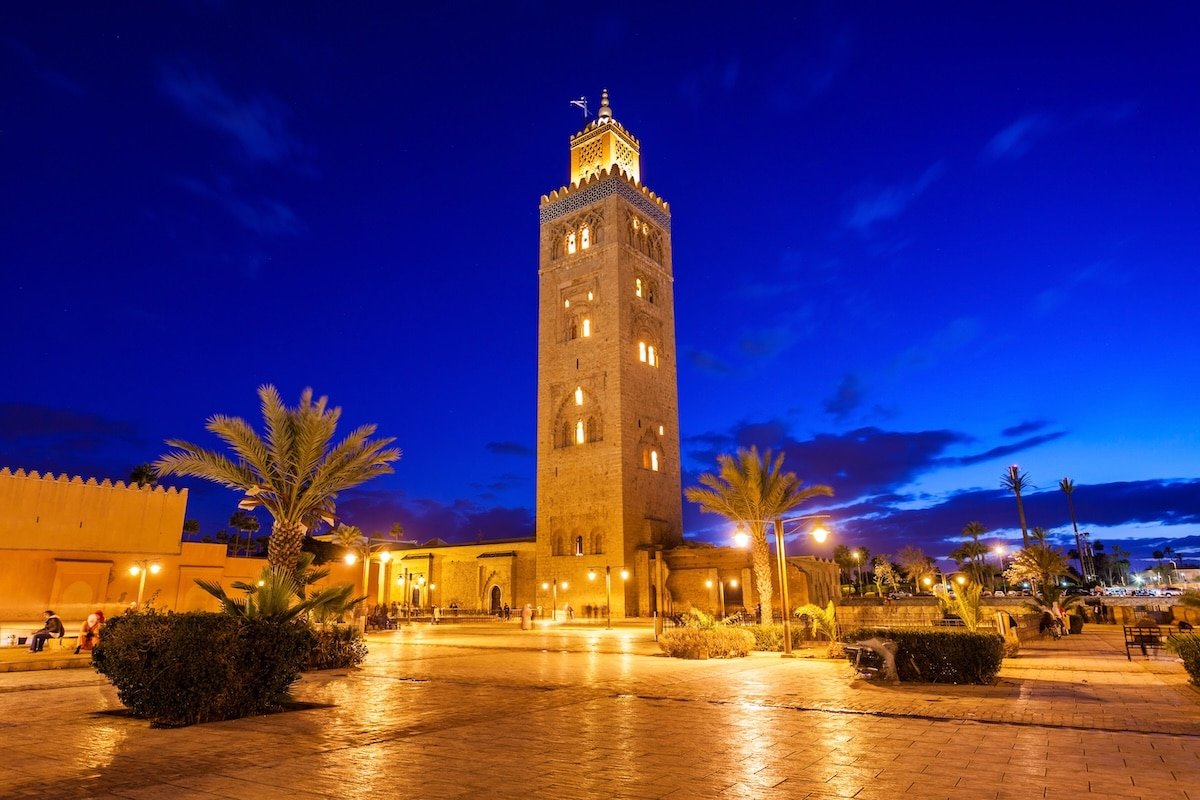
The Koutoubia is the largest mosque in Marrakech, and its minaret is the city’s best-known landmark. Non-Muslims cannot normally enter, but you can admire it from outside and from the gardens around it.
Bahia Palace and El Badi Palace
The Bahia Palace is known for its decorated rooms, painted ceilings and courtyards. The El Badi Palace is a large ruin with open courts, storks’ nests on the walls and views over the city. Opening times and entry rules change, so check before you go.
Saadian Tombs
These royal tombs, hidden for centuries, are known for their detailed decoration. The site is small and can be crowded, so go early.
Ben Youssef Madrasa
A former Islamic school with a beautiful courtyard, carved wood and plasterwork. Check whether it is open on the day you plan to visit, because restoration work can change access.
Majorelle Garden
A famous garden in the new town, created by the painter Jacques Majorelle and later owned by Yves Saint Laurent. It is known for its bright blue buildings, cacti and shaded paths. It is popular, so arrive early or book ahead where possible.
Gardens, hammams and rooftop terraces
Other places to relax include the Menara Gardens with its pavilion and water basin, a traditional hammam for a scrub and steam, and rooftop terraces for a mint tea at sunset.
A sample 3-day Marrakech itinerary
This is a flexible example, not a fixed plan. Adjust it to the season, your energy and the opening hours.
- Day 1 – the medina: Koutoubia Mosque, a walk to Jemaa el-Fna, lunch in the medina, afternoon in the souks, sunset on a rooftop terrace and dinner on or near the square.
- Day 2 – palaces and gardens: Saadian Tombs, El Badi and Bahia palaces in the morning, a rest in the heat, then Majorelle Garden and the new town in the late afternoon.
- Day 3 – a day trip or slow day: choose a day trip (see below) or spend the day in a hammam, a cooking class or the Menara Gardens.
Day trips from Marrakech
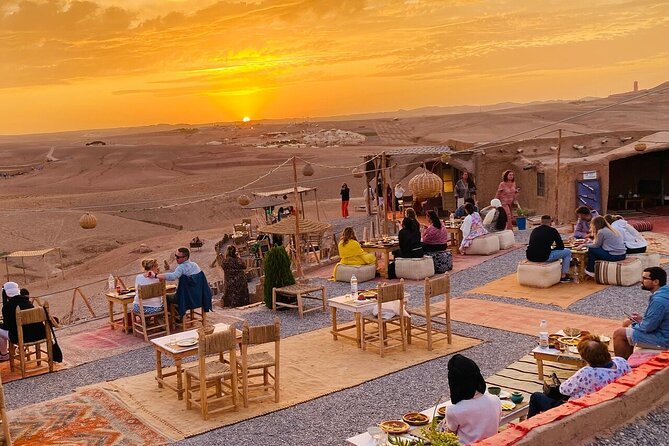
- Agafay Desert: a stony desert about 40 km from the city, with sunset camel rides, quad rides and desert dinners. Read the Agafay desert complete guide.
- Ourika Valley and the Atlas: a green valley in the mountains with waterfalls and villages, popular in summer for cooler air.
- Essaouira: a relaxed Atlantic port town, roughly three hours away by road.
- Ouzoud Falls: a large waterfall site, a long day trip from Marrakech.
- Ait Benhaddou and Ouarzazate: a kasbah and film-set region on the road to the south. See what to see and do in Ouarzazate.
Distances and travel times are approximate and depend on traffic and road conditions, so ask your driver or tour provider for current estimates.
From Marrakech to the Sahara: the Merzouga desert
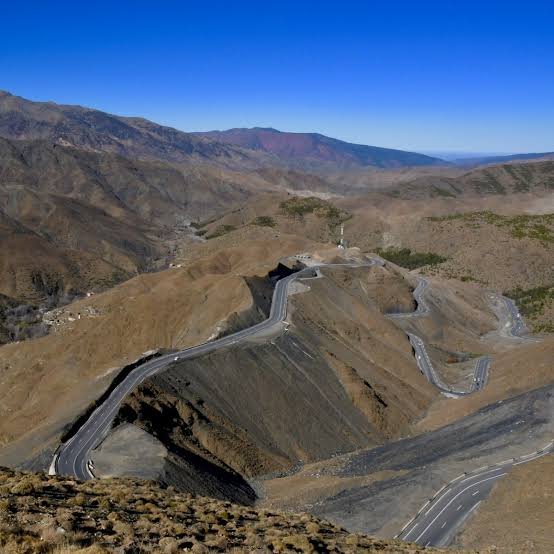
Many visitors combine Marrakech with the Sahara dunes of Erg Chebbi near Merzouga. The distance is around 550 km, and the road crosses the High Atlas, so it is a long journey, usually done over two to three days with stops. Common stops include the Tizi n’Tichka pass, Ait Benhaddou, Ouarzazate and the Dades or Todra gorges. A one-day return trip is not realistic, and a night in the desert is part of the experience.
- How far is Merzouga from Marrakech
- Marrakech to Merzouga: distance, route, time and best stops
- Marrakech to Merzouga tour: best routes and options
- Shared 3-day desert tour from Marrakech to Merzouga
- 2-day tour from Marrakech to Merzouga
- Best desert tour from Marrakech


How to get around Marrakech
- On foot: the best way to explore the medina. Wear comfortable shoes, and use a map app, though signal can be patchy in narrow lanes.
- Petit taxis: small city taxis. Ask the driver to use the meter or agree a price before you start.
- Grand taxis: larger shared or chartered taxis for longer trips.
- Buses: city buses exist but are crowded, and are less useful for visitors.
- Ride-hailing apps: availability and rules can change, so check what works at the time of your visit.
- Private driver: practical for day trips and transfers to other cities.
- Hotel pick-up: ask your riad to arrange one, especially at night.
What to eat in Marrakech
Moroccan food is a highlight of any trip. You will find a mix of street food, simple local restaurants and elegant riad dining.
- Tagine: a slow-cooked stew served in a conical clay pot, with meat, chicken or vegetables.
- Couscous: traditionally served on Fridays, with vegetables and meat.
- Harira: a tomato and lentil soup, popular especially during Ramadan.
- Pastilla: a sweet and savoury pie, often with pigeon or chicken.
- Mint tea: the national drink, offered as a sign of hospitality.
- Fresh orange juice and pastries in the square and cafes.
- Tanjia: a Marrakech speciality of slow-cooked meat in a clay jar.
Eat where the food is busy and freshly cooked, drink bottled or filtered water, and ask about hygiene if you have a sensitive stomach. Tell restaurants about allergies and dietary needs in advance.
Money, haggling and tipping
- Currency: the Moroccan dirham (MAD). Cards work in many hotels and larger shops, but cash is needed for taxis, markets and small cafes.
- ATMs: widely available in the new town and near the medina. Check your bank’s fees for foreign withdrawals.
- Haggling: expected in the souks. Start with a lower offer, stay friendly, and be ready to walk away. Do not start bargaining if you do not intend to buy.
- Fixed-price shops: some cooperatives and shops have set prices, which can be handy for comparison.
- Tipping: small tips are normal for guides, drivers, porters and restaurant staff. Keep small notes and coins on hand.
What to wear in Marrakech
Morocco is a Muslim country, and modest dress is appreciated, especially in the medina and when visiting religious sites. Many visitors choose lightweight clothing that covers shoulders and knees, a scarf or shawl, comfortable walking shoes and sun protection. In winter, bring warm layers for the evenings. For desert and mountain parts of your trip, read what to wear in Merzouga.
Is Marrakech safe? Common scams and how to avoid them
Marrakech welcomes millions of visitors and is generally fine for travellers, but like any busy tourist city, it has petty crime and pushy sellers. Use common sense rather than fear.
- “The road is closed” or “the souk is that way”: strangers who offer unrequested directions may expect payment or lead you to a shop. Politely decline and use your map.
- Unofficial guides: if you want a guide, hire one through your hotel or an official source, and agree the price first.
- Photographs: performers and some sellers expect payment for photos. Ask first.
- Henna and “free gifts”: may lead to demands for payment. Be clear before accepting anything.
- Pickpockets: keep valuables in a front bag in crowded areas and avoid showing your phone.
- Taxi prices: ask for the meter or agree the fare in advance.
- At night: stay in lit, busy areas, and ask your riad for advice.
More general advice is in is it safe to visit Morocco and Morocco solo female travel. Check your government’s official travel advice before you go.
Travelling to Marrakech with children
Marrakech can work well for families, with a few adjustments. Choose a hotel or riad with a pool, plan sightseeing for cooler hours, take breaks, and consider a private driver for transfers. Gardens, the Agafay desert and the Atlas valleys are popular with children. See Morocco 10 days itinerary with kids for ideas.
Languages and etiquette
Arabic and Amazigh are the official languages, Moroccan Arabic (Darija) is spoken in daily life, and French is widely used. Many people in tourism also speak English, Spanish or Italian. Learn a few words such as “salam” (hello) and “shukran” (thank you), which are always appreciated. Read what languages are spoken in Morocco.
- Greet people politely before asking a question or starting to bargain.
- Use your right hand for eating and greeting.
- Ask before photographing people, especially women and older people.
- During Ramadan, avoid eating, drinking or smoking in public during the day out of respect, even if many tourist places stay open.
- Dress modestly when visiting religious or traditional neighbourhoods.
Planning your trip: independent or organised?
You can travel around Marrakech on your own, but many visitors prefer a mix: independent time in the medina, plus an organised tour for the desert and mountains, where distances are long and roads are demanding. Compare approaches in independent travel or organised tour in Morocco, learn how to book in how to book a trip to Morocco and choose a provider with best Morocco travel agency. For all your desert options, see desert excursions in Morocco.
Marrakech travel tips: a quick checklist
- Check passport validity and entry rules before you book.
- Arrange your airport transfer in advance.
- Carry small cash in dirhams and some coins.
- Download an offline map, and save your riad’s address and phone number.
- Drink plenty of water, wear sun protection and rest in the hottest hours.
- Agree prices before taxis, guides and services.
- Book popular sights and restaurants early in busy seasons.
- Keep copies of your documents separate from the originals.
- Buy travel insurance that covers your activities.
- Leave time for the unexpected, since getting lost in the medina is part of the charm.
Marrakech travel guide: frequently asked questions
How many days do you need in Marrakech?
Two to three days cover the main sights. Add extra days for day trips or a relaxed pace.
What is the best time to visit Marrakech?
Spring and autumn are generally the most comfortable. Summer is very hot and winter nights are cold.
Is Marrakech the capital of Morocco?
No. The capital is Rabat. Marrakech is a major historic and tourist city.
Where should I stay in Marrakech?
A riad in the medina for atmosphere, or Gueliz and Hivernage for modern hotels and easier access.
Is Marrakech safe for tourists?
Generally yes, with usual precautions against pickpockets and pushy sellers. Check official travel advice.
Do I need cash in Marrakech?
Yes. Cards are accepted in many hotels and shops, but cash is needed for taxis, markets and small cafes.
Can I haggle in Marrakech?
Yes, in the souks. Stay polite, and do not start if you do not want to buy.
How far is Marrakech from the Sahara?
The Merzouga dunes are around 550 km away, usually a two to three day trip with stops. The nearby Agafay is a stony desert, not sand dunes.
What should I wear in Marrakech?
Lightweight, modest clothing, comfortable shoes and sun protection, with warm layers in winter.
Is Marrakech good for families?
Yes, with planning: a hotel with a pool, cool-hour sightseeing and breaks.
Should I book tours in advance?
For the desert and mountain trips, yes, especially in busy seasons. For the medina, you can plan more freely.
Continue your trip from Marrakech to the desert
If you want to add the Sahara dunes, camel rides and a night in a desert camp to your Marrakech stay, we can help you plan the route, the stops and the nights. Message us on WhatsApp at +212 620 628 083 or use the contact page. For the desert side of your trip, see the Merzouga desert complete guide.