Marrakech Travel Tips: Practical Advice on Money, Safety, Souks, Transport and Etiquette
These Marrakech travel tips come from the questions visitors ask most often before and during a trip: how to handle money, how to haggle, how to avoid scams, how to get from the airport to a riad, what to wear, what to eat, how to stay healthy in the heat and how to behave respectfully. Marrakech is a wonderful, intense city, and a few practical habits make it much easier and more enjoyable. The tips are grouped by topic so that you can scan quickly. Rules, prices and conditions change, so treat this as general guidance and confirm the details with your hotel, your guide or official sources. We do not quote fixed prices.
The 10 most important Marrakech travel tips
- Arrange your airport transfer in advance, especially for a late arrival.
- Carry small cash in dirhams, because taxis, markets and cafes often need it.
- Agree prices before taxis, guides, carriages and photos.
- Haggle politely in the souks, and walk away if the price is not right.
- Dress modestly, with comfortable walking shoes.
- Drink bottled or filtered water and protect yourself from the sun.
- Rest in the middle of the day during hot months.
- Keep valuables close in crowded areas.
- Ignore people who say a street is closed or insist on guiding you.
- Book desert and mountain trips with a reliable provider.
For a full plan, see our Marrakech travel guide and Marrakech attractions and activities.
Before you go: planning tips
- Check your passport and entry rules. Requirements depend on your nationality, so verify them on official sources. See Morocco visa for an overview.
- Choose your season. Spring and autumn are generally the most comfortable. Summer is very hot, and winter nights are cold.
- Buy travel insurance that covers your activities, including any desert or mountain excursions.
- Tell your bank about your trip, and check fees for foreign card use and cash withdrawals.
- Save key information offline: your riad’s address and phone number, a map, your booking confirmations and emergency contacts.
- Book popular things early: riads, balloon flights, desert dinners and multi-day tours fill up in busy seasons.
- Allow a buffer on your first and last day, because airport transfers and the medina lanes take time.
If you are comparing independent travel with a tour, read independent travel or organised tour in Morocco and how to book a trip to Morocco.
Money tips for Marrakech
- The currency is the Moroccan dirham (MAD). You can read more about it on Wikipedia’s Moroccan dirham page. Check the exchange rate shortly before travel.
- Use ATMs in banks or well-lit public places, and take cash in several smaller withdrawals if fees allow.
- Carry small notes and coins. Large notes are hard to change at small stalls and taxis.
- Cards work in many hotels, larger restaurants and shops, but not everywhere.
- Keep cash in separate places, such as a front pocket and a hotel safe.
- Tip modestly: small tips are normal for porters, guides, drivers and restaurant staff.
- Check your change, especially in busy places.
- Keep receipts for larger purchases, and ask about shipping before buying large items.
Souk and haggling tips
- Haggling is normal, but do it with a smile and respect. Do not start if you do not want to buy.
- Know your limit before you begin, and be ready to walk away. Often the seller calls you back with a better price.
- Compare shops before deciding, and visit more than one stall for similar items.
- Accept mint tea if you like, but you are not obliged to buy.
- Ask about quality: real leather, natural dyes, silver versus metal and handmade versus factory goods.
- Look at fixed-price shops and cooperatives to get a sense of the typical price range.
- Do not rush. The best finds often come after a slow wander.
- Buy small gifts early and bigger items on your last days, once you know the market.

Safety and scam-avoidance tips
Marrakech is a busy tourist city, and most people are friendly and helpful. A few habits reduce problems.
- “That street is closed”: a common line used to redirect you. Check on your map, and keep walking if you are unsure.
- Unrequested guides: people who offer to show you the way may ask for payment or lead you to a shop. A firm, polite “no, thank you” works.
- Official guides: if you want a guide, ask your riad to arrange one and agree the price and the route in advance.
- Photographs: performers, snake charmers and some sellers expect payment. Ask first or put the camera away.
- Henna and “free” items: a gift can become a payment request. Be clear before accepting.
- Pickpockets: use a cross-body bag, keep your phone out of back pockets and stay alert in crowds.
- Taxis: ask for the meter or agree on the fare in advance.
- At night: prefer busy, lit streets, and ask your riad about the safest way home.
- Solo travellers: trust your instincts, and read Morocco solo female travel.
- General advice: see is it safe to visit Morocco and check your government’s official travel advice.
Transport tips
- Airport to riad: pre-book a transfer or ask your host to meet you at the nearest drop-off point, because cars cannot reach many medina doors.
- Petit taxis: insist on the meter or agree a price before getting in.
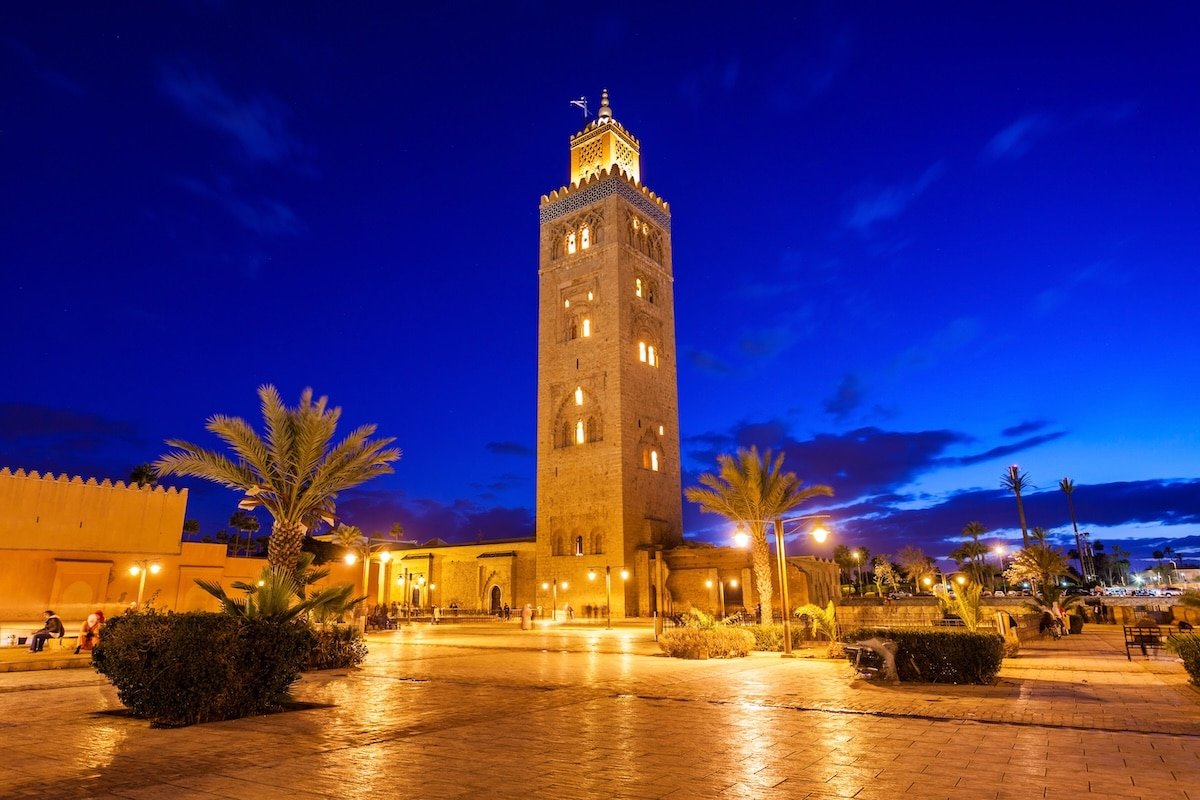
- Walking: the best way to explore the medina. Save an offline map and use landmarks such as the Koutoubia minaret.
- Carts and carriages: agree the price and route in advance.
- Trains: a comfortable way to travel between Marrakech and cities such as Casablanca. Check timetables on the operator’s site.
- Driving: city traffic can be intense, and parking is outside the medina. Read car rental in Morocco before you decide.
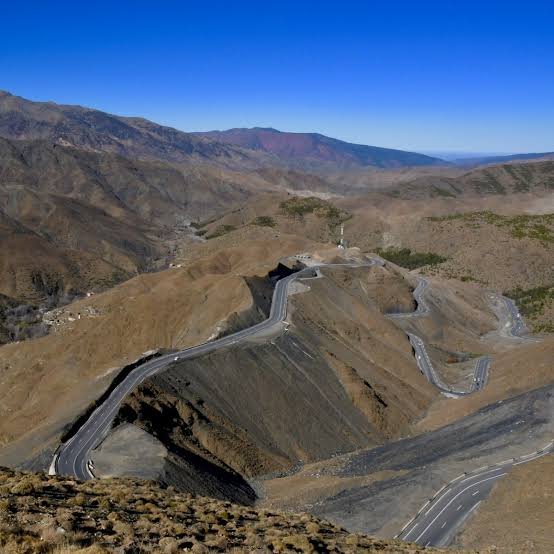
- Long distances: for the desert or mountains, a private driver or an organised tour is often easier. See best way to travel from Marrakech to Merzouga.
Accommodation tips
- Choose your area: the medina for atmosphere, Gueliz or Hivernage for modern hotels and easier taxi access.
- Read recent reviews about noise, cleanliness and the final walk to the door.
- Ask for directions and a contact number before you arrive.
- In summer, prioritise air conditioning and a pool.
- In winter, check for heating, because riads can be cold at night.
- Ask about breakfast, luggage storage, laundry and airport pick-up.
- Use the safe for passports and extra cash.
Food and health tips
- Drink bottled or filtered water, and check that bottles are sealed.
- Eat where it is busy and food is cooked fresh.
- Try local dishes: tagine, couscous, harira, pastilla and tanjia, with mint tea.
- Take care with raw salads and ice if you have a sensitive stomach.
- Tell restaurants about allergies and dietary needs in advance.
- Carry basic medicines, sun protection, hand sanitiser and any prescriptions in original packaging.
- Know where to find a pharmacy, and ask your hotel for a doctor if needed.
- Respect Ramadan: avoid eating, drinking or smoking in public during daylight hours, even though many tourist places remain open.
What to wear and pack
- Clothing: light, breathable fabrics that cover shoulders and knees are comfortable and respectful.
- Shoes: comfortable closed shoes for uneven medina streets.
- Sun protection: hat, sunglasses and sunscreen.
- Layers: a warm layer for winter evenings and for desert or mountain trips.
- Scarf: useful for sun, dust and religious sites.
- Power bank and adapter: Morocco uses European-style plugs.
- Small daypack or cross-body bag with zip closures.
- Copies of documents kept separately from the originals.
For desert-specific packing, read what to wear in Merzouga.
Etiquette and culture tips
- Greet people before asking for something or starting to bargain. A simple “salam” or “bonjour” goes a long way.
- Use your right hand for eating, giving and receiving.
- Ask before photographing people, especially women and older people.
- Keep public affection discreet.
- Dress modestly in the medina and around religious sites.
- Do not photograph military or police buildings.
- Be patient: things can move at a slower pace than you are used to.
- Learn a few words: “shukran” (thank you), “la, shukran” (no, thank you) and “bismillah” before a meal. See what languages are spoken in Morocco.
Tech, phone and connectivity tips
- SIM or eSIM: check options at the airport or before departure, and ask about coverage.
- Offline maps: signal can be weak in narrow lanes, so download the medina map.
- Hotel Wi-Fi: usually available, but speed varies.
- Messaging: WhatsApp is widely used for bookings and contacting drivers and guides.
- Charge devices when you can, and carry a power bank on day trips.
- Back up photos regularly.
Tips for day trips and the desert
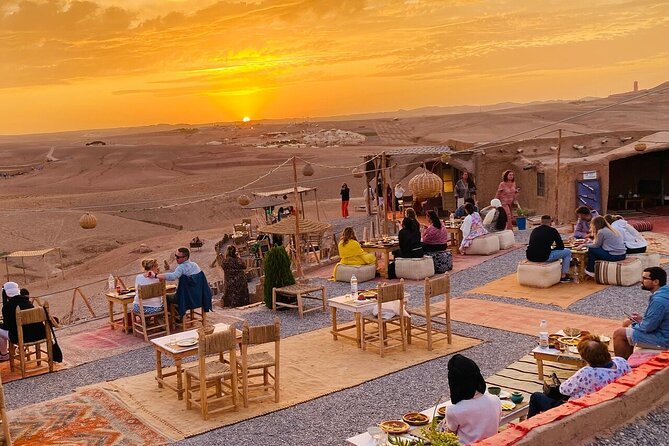
- Agafay desert: an easy sunset or dinner trip close to the city. See the Agafay desert guide.
- Sahara dunes: Merzouga is around 550 km from Marrakech, so allow at least two to three days. Read Marrakech to Merzouga: distance, route, time and best stops.
- Compare tours before booking: best desert tour from Marrakech and shared 3-day desert tour.
- Check what is included in any tour: transport, meals, accommodation, camel ride and extras.
- Choose a reliable provider: read best Morocco travel agency and best travel company in Morocco.


Common mistakes to avoid in Marrakech
- Arriving without a plan for the airport transfer.
- Packing too much and carrying heavy bags through the medina.
- Scheduling sightseeing in the hottest hours of summer.
- Accepting help from strangers without agreeing the price.
- Paying the first price in the souks.
- Trying to see everything in one day.
- Forgetting to carry small cash.
- Planning a Sahara trip as a one-day excursion.
- Booking tours only on price, without reading what is included.
A quick pre-departure checklist
- Passport valid, and entry rules checked.
- Travel insurance bought.
- Riad address, phone number and airport transfer saved.
- Offline map downloaded.
- Some dirhams, or a plan to withdraw them.
- Light, modest clothing and a warm layer.
- Sun protection and any medicines.
- Power bank and adapter.
- Copies of documents.
- Desert or mountain trips booked with a reliable provider.
Marrakech travel tips: frequently asked questions
What are the most important tips for visiting Marrakech?
Arrange your transfer, carry small cash, agree prices in advance, haggle politely, dress modestly and protect yourself from the heat.
Is Marrakech safe for tourists?
Generally yes, with normal precautions against pickpockets and pushy sellers. Check official travel advice before you go.
Do I need cash in Marrakech?
Yes. Cards work in many hotels and larger shops, but cash is needed for taxis, markets and small cafes.
How do I haggle in the souks?
Start lower than the first price, stay friendly and be ready to walk away. Do not bargain if you do not intend to buy.
Can I drink the tap water?
Most visitors choose bottled or filtered water. Ask your hotel for advice.
What should I wear in Marrakech?
Light, modest clothing that covers shoulders and knees, comfortable shoes and sun protection, plus warm layers in winter.
How do I get from the airport to my riad?
Pre-book a transfer or ask your host to arrange a pick-up. Taxis can usually drop you at the edge of the medina, and your host can meet you there.
How many days do I need in Marrakech?
Two to three days cover the main sights, and more days allow day trips.
What is the best time to visit Marrakech?
Spring and autumn are generally the most comfortable. Summer is very hot, and winter nights are cold.
Can I visit the Sahara from Marrakech?
Yes, but allow at least two to three days, because Merzouga is around 550 km away.
How should I behave during Ramadan?
Avoid eating, drinking or smoking in public during the day out of respect, and expect different opening hours.
Combine Marrakech with the Sahara
If you want to add the dunes, a camel ride and a night in a desert camp to your Marrakech stay, we can help you plan the route, the stops and the nights. Message us on WhatsApp at +212 620 628 083 or use the contact page. For the desert side of your trip, see the Merzouga desert complete guide.