Marrakech Souks: Complete Guide to the Markets, What to Buy and How to Bargain
The Marrakech souks are a maze of covered lanes, workshops, spice stalls, lantern shops and leather sellers in the heart of the old medina, and they are one of the most memorable experiences in Morocco. This guide explains how the Marrakech souks are organised, which areas to visit, what to buy, how to bargain politely, how to avoid getting lost and how to enjoy the markets without stress. We do not quote fixed prices, because they change with the product, the season and the seller. Opening hours, shop names and lane names also change over time, so treat the details here as a general guide and confirm them locally.
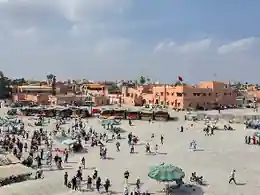
What are the Marrakech souks?
A souk is a traditional market. In Marrakech the word usually describes the network of covered and open lanes north of Jemaa el-Fna square, inside the walls of the medina. Rather than one single market, the Marrakech souks are many small markets, each often grouped by craft or product: metalwork in one area, leather in another, spices and herbs in a third. For a general definition of the word you can read the Wikipedia article on souks.
The souks are not a museum. They are working markets where local people shop, craftspeople make goods and tourists come to browse. That is part of their charm, and also why they can feel busy, noisy and confusing at first.
Where are the Marrakech souks?
The main souks begin just north of Jemaa el-Fna, the central square of the medina, and extend towards the Ben Youssef area. Most visitors enter from the square through one of the lanes near the main mosque area and then wander north. The distances are short, but the lanes twist, split and join again, so even a small area can take hours to explore.
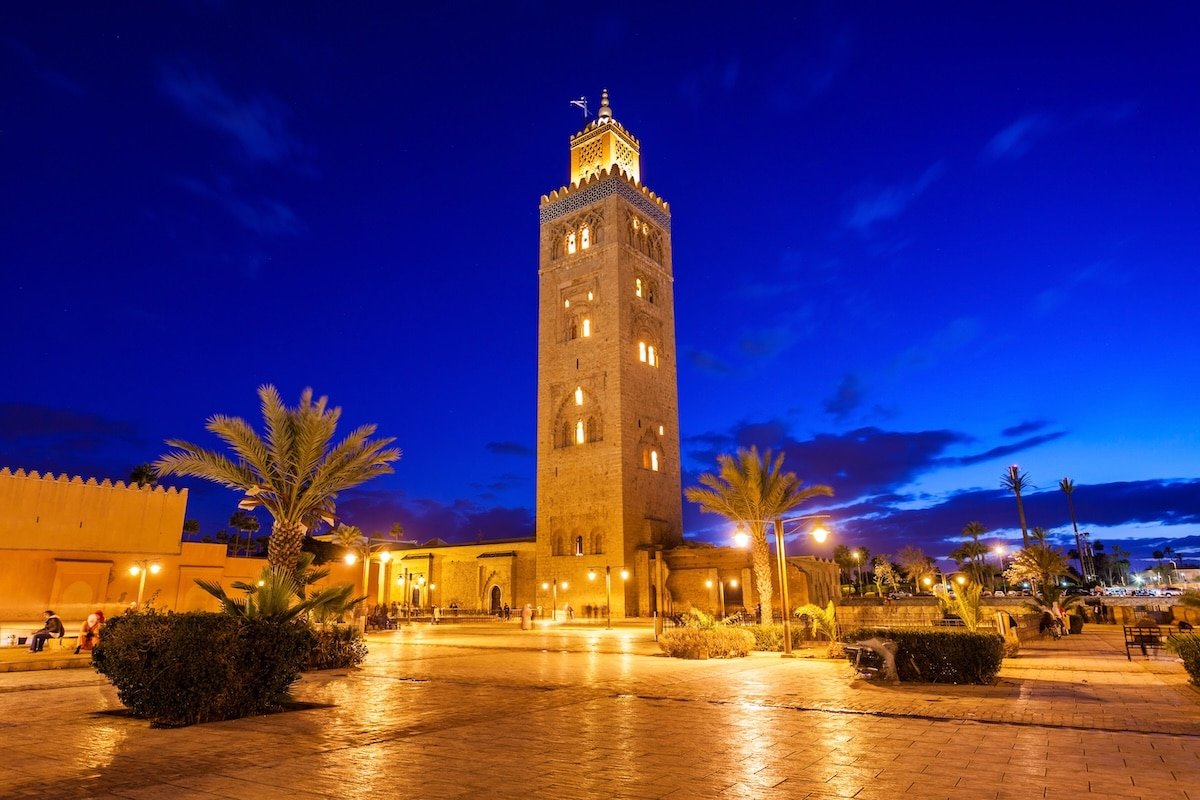
For a general overview of the city and where to stay, read our Marrakech travel guide.
The main Marrakech souks and what each one sells
Names and exact boundaries vary between sources and shop signs, so use this list as a general map of what you may find rather than an exact plan.
Souk Semmarine
Often described as the main artery of the souks. It is a broad covered lane with textiles, clothing, slippers, bags, lamps and souvenirs. It is a good first walk because it is relatively wide and easy to follow.
Rahba Kedima (the spice square)
A small square known for spices, herbs, natural cosmetics, baskets and traditional remedies. You will also find carpets, hats and ornaments. It is picturesque and popular with photographers. Ask what a product is before you buy, and be careful with any health claims.
Leather and slipper areas
Several lanes specialise in leather goods: bags, belts, wallets, poufs and the traditional pointed slippers called babouches. Quality varies a lot. Check stitching, smell, the lining and the weight, and compare a few shops before choosing.
Metalwork and lantern lanes
Here you hear hammering before you see the shops. Craftspeople make lanterns, trays, teapots and decorative pieces from brass, copper and iron. It is one of the most interesting areas to watch work being done.
Dyers’ area
A traditional area where coloured wool and silk are hung to dry. Brightly coloured skeins make it one of the most photogenic corners of the medina. Ask permission before photographing people at work.
Carpet and textile lanes
Carpets, kilims, blankets and woven goods. This is where bargaining is most important and where it is most useful to know what you want. Different regions and tribes have different patterns, and handmade pieces differ from machine-made ones.
Ceramics, pottery and tiles
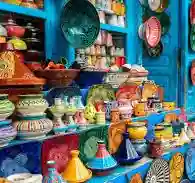
Plates, bowls, tagines and decorative tiles. If you plan to cook with a tagine, ask whether it is for cooking or only decoration, since some are glazed purely for display.
Wood, jewellery and other crafts
Carved wooden boxes, inlay work, silver-style jewellery, Berber-style pieces and decorative items. Ask about materials, because many items are plated or made from alloys rather than solid precious metals.
What to buy in the Marrakech souks
- Spices and herbs: cumin, paprika, saffron, ras el hanout and tea mixes. Smell before buying, and buy small amounts.
- Argan and natural products: oil, soap and cosmetics. Check ingredients and be aware that some products sold as pure are diluted.
- Leather goods: bags, poufs, belts and babouches.
- Lanterns and lamps: brass or iron lanterns are popular souvenirs.
- Carpets and textiles: handwoven rugs, blankets and scarves.
- Ceramics: plates, bowls, tagines and tiles.
- Tea glasses and teapots: small, practical gifts.
- Clothing: kaftans, jackets and scarves.
- Baskets: woven bags and baskets for the market or beach.
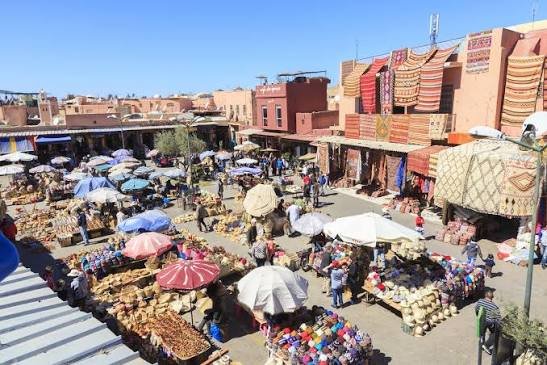
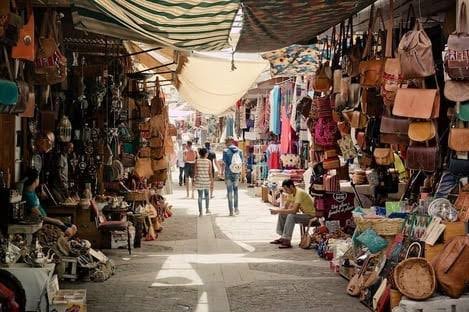
Decide what you want before you go in. Without a list, the volume of choice can be overwhelming, and you may end up buying things you do not need.
How to bargain in the Marrakech souks
Many shops in the souks do not use fixed prices, so bargaining is normal. It is a social exchange, not a fight. Here is a polite approach that works for most travellers.
- Look first. Browse several shops to get a feel for quality and asking prices before you commit.
- Decide your own limit. Think about what the item is worth to you and do not go beyond it.
- Greet and chat. A friendly greeting and a smile go a long way. A little French or Arabic helps.
- Ask for the price, then make a lower counter-offer. Be realistic. Extremely low offers can be seen as disrespectful.
- Be ready to walk away. It is the most effective tool. Often the seller will call you back with a better offer.
- Do not agree unless you mean it. If you accept a price, it is considered rude to refuse to buy.
- Keep small notes. Having the right change helps close a deal and avoids awkward rounding.
- Stay good-humoured. Bargaining should be enjoyable on both sides.
For more on money, prices and etiquette, read our Marrakech travel tips and the Wikipedia page about the Moroccan dirham.
How to avoid getting lost in the Marrakech souks
Almost everyone gets lost at least once in the medina. It is not a disaster, but a little preparation helps.
- Download an offline map and note the name of your riad and the nearest landmark.
- Take a photo of your accommodation’s door and address.
- Use Jemaa el-Fna and the Koutoubia minaret as reference points.
- Walk with the general flow of people when you want to exit, because it often leads to a main lane.
- Ask shopkeepers or police for directions rather than strangers who offer unsolicited help.
- Keep your phone charged.
- If someone says a lane is closed, check yourself before turning back.
Best time to visit the Marrakech souks
- Morning: cooler, calmer and best for photography and calm browsing. Some shops open later than others.
- Late afternoon: a lively time as light softens and the city cools.
- Evening: the main lanes can be busy and atmospheric, though some craft areas are quieter.
- Midday in summer: very hot. Plan a break indoors.
Opening times differ from shop to shop, and some stalls close on Fridays or during prayer times. Autumn and spring are generally more comfortable seasons for long walks. Check the season and temperatures when you plan, and see our guide to what to wear for packing ideas that also apply to hot days in Marrakech.
Should you visit the souks with a guide?
It depends on your confidence and your time. A licensed local guide can show you the main areas, explain the crafts and keep you from getting lost, which is useful on a first visit. Agree the rate and the length of the tour before you start. Be wary of unofficial helpers who offer to lead you somewhere and then ask for money, or who steer you towards shops where they get a commission. If you prefer to go alone, start early, stay on the main lanes and take breaks in cafes.
Common mistakes and scams to avoid
- “The lane is closed” or “the market is closed today”: a common line used to redirect you. Check for yourself.
- Unrequested guides: someone walks with you and then asks for payment.
- Starting too high or too low: understand roughly what you want to pay before bargaining.
- Buying the first thing you see: compare at least a few shops.
- Not checking quality: inspect stitching, finish and materials.
- Agreeing and then walking away: only start a negotiation if you are serious.
- Carrying valuables openly: keep bags closed and phones secure in crowds.
- Photographing people without asking: some will ask for a tip, and some will refuse.
For a calm overview of safety read is it safe to visit Morocco.
What to wear and bring to the souks
- Comfortable closed shoes, because the lanes can be uneven and crowded.
- Light, modest clothing that covers shoulders and knees, which is respectful and often more comfortable.
- A hat, sunglasses and sunscreen for open areas.
- A small cross-body bag, kept in front of you.
- Cash in small notes and coins.
- A reusable water bottle.
- A phone with an offline map.
A suggested half-day walk through the Marrakech souks
- Start at Jemaa el-Fna in the morning, when it is calm.
- Walk north into the main covered lane and browse the textiles and slippers.
- Stop at the spice square for tea or a look around.
- Continue to the metalwork and lantern lanes to watch craftspeople at work.
- Visit the dyers’ area if it is open and you want photos.
- Take a break in a rooftop cafe to see the medina from above.
- Finish with shopping for the items you shortlisted, and return to the square.

Other things to do near the Marrakech souks
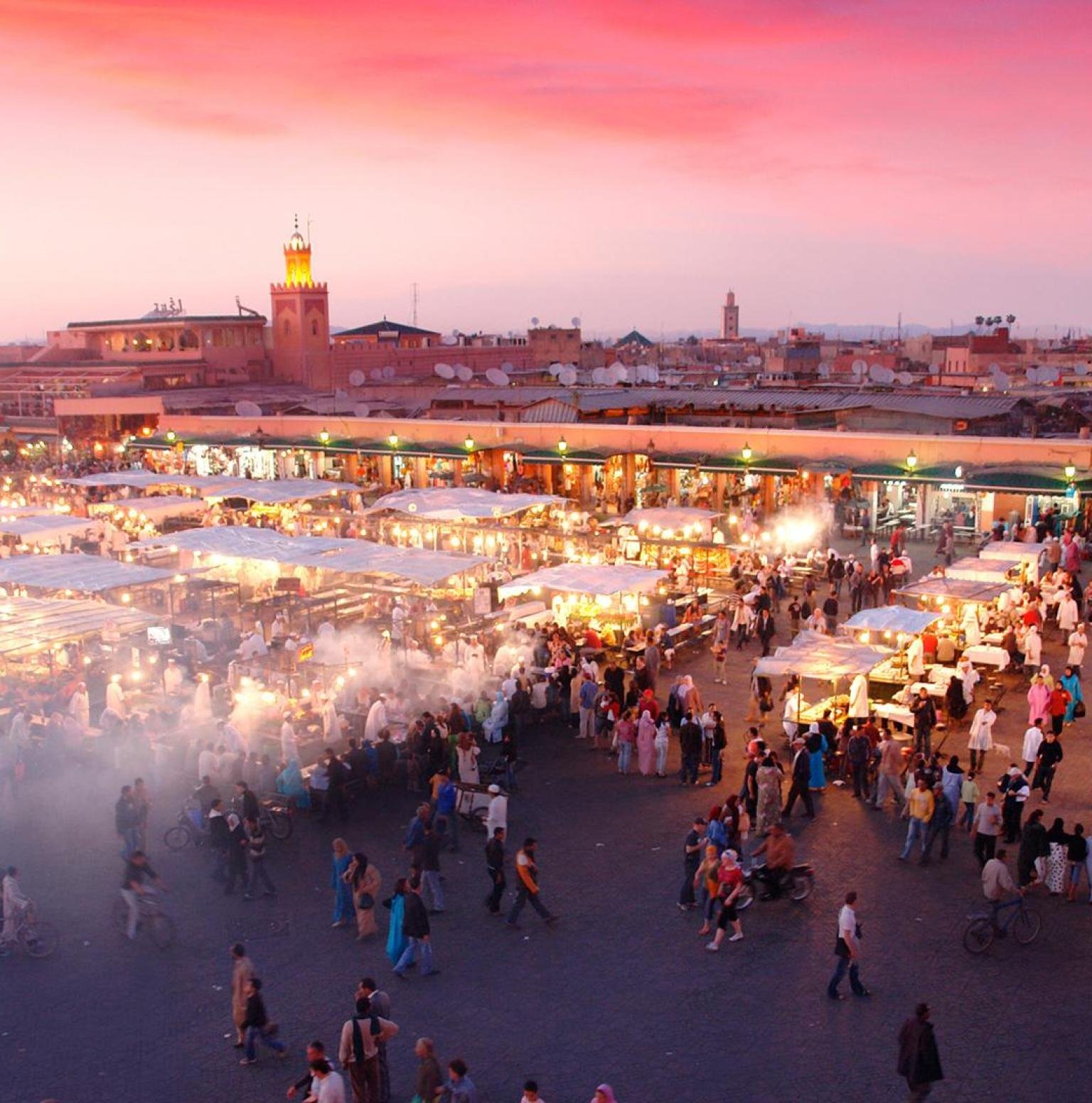
The souks are close to many of the city’s sights, so you can combine a market visit with other attractions. Jemaa el-Fna is next door, and the old city has historic mosques, palaces, gardens and museums. For a full list read Marrakech attractions and activities. If you want a break from the medina, you can also take a half-day trip to the Agafay desert, described in our Agafay desert guide.
From the Marrakech souks to the Sahara
Many travellers combine a few days in Marrakech with a trip to the Merzouga dunes. The journey takes a full day or more, so plan it properly. Read Marrakech to Merzouga: distance, route, time and best stops, compare the best desert tours from Marrakech and see the shared 3-day desert tour. If you are short on time, read whether a 2-day tour is worth it.
Marrakech souks: frequently asked questions
Where are the Marrakech souks?
They are in the old medina, mainly north of Jemaa el-Fna square, in a network of covered lanes.
How long do you need in the souks?
A half-day is enough for a first visit. If you enjoy shopping and crafts, you can easily spend a full day or return on another day.
Is it safe to walk in the Marrakech souks?
Most visitors have a safe visit. Take usual precautions against pickpockets, avoid unofficial guides and keep your valuables secure.
Do I need to bargain?
In most souk shops, yes. Some shops have fixed prices, which are usually displayed. Bargain politely and only if you intend to buy.
Can I pay by card in the souks?
Some larger shops accept cards, but cash in dirhams is more common and useful for smaller purchases. Ask before you start negotiating.
What is the best souvenir from Marrakech?
It depends on your taste. Popular choices are spices, leather slippers, lanterns, ceramics, carpets and argan products.
Are the souks open every day?
Most are open most days, but individual shops set their own hours, and some close on Fridays or at prayer times. Confirm locally.
Is it okay to take photos?
Photographing lanes and goods is usually fine. Ask permission before photographing people, and respect a refusal.
Can children visit the souks?
Yes, but the lanes are crowded and mopeds pass through, so keep children close. Plan breaks and visit in the morning.
Can I ship things home?
Many larger shops, especially for carpets and furniture, can arrange shipping. Ask about costs, insurance and delivery time in advance, and keep receipts.
Plan your Morocco trip beyond the Marrakech souks
If you want to continue from Marrakech to the dunes, a camel ride and a night in a desert camp, we can help you plan the route and the nights. Message us on WhatsApp at +212 620 628 083 or use the contact page. For the desert side of your trip, see the Merzouga desert complete guide.