Moroccan Dirham (MAD): Currency, Exchange, ATMs and Money Tips for Travellers
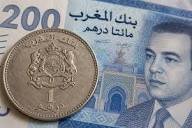
The currency of Morocco is the Moroccan dirham, written MAD or DH. One dirham is divided into 100 centimes. As a rough guide, one euro is worth about 10 to 11 dirhams and one US dollar about 9 to 10 dirhams, but rates move every day, so check a live rate before you travel. Cards work in hotels and big shops, but cash is still essential for taxis, souks, cafés, tips and small villages, especially in the desert. This guide explains the coins and notes, where to change money, how to use ATMs, how much to tip and how to handle money in Merzouga and the Sahara.
Exchange rates, fees and rules change over time, so treat the numbers below as general guidance and confirm them before you go.
Moroccan Dirham at a Glance
| Question | Short answer |
|---|---|
| Currency name | Moroccan dirham (MAD or DH) |
| Subunit | 100 centimes = 1 dirham |
| Rough rate | About 10 to 11 MAD per euro and 9 to 10 MAD per US dollar. Check the live rate |
| Can I pay in euros or dollars? | Sometimes in tourist places, but at a poor rate. Pay in dirhams |
| Are cards accepted? | In hotels, big restaurants and shops. Not in small shops, taxis or villages |
| Best way to get cash | ATMs in town, or a bank or exchange office |
| Tip size | Small amounts, from 5 to 20 MAD for simple services |
Coins and Banknotes You Will See
- Coins: 10, 20 and 50 centimes, and 1, 2, 5 and 10 dirhams. Keep small coins for tips, toilets and water.
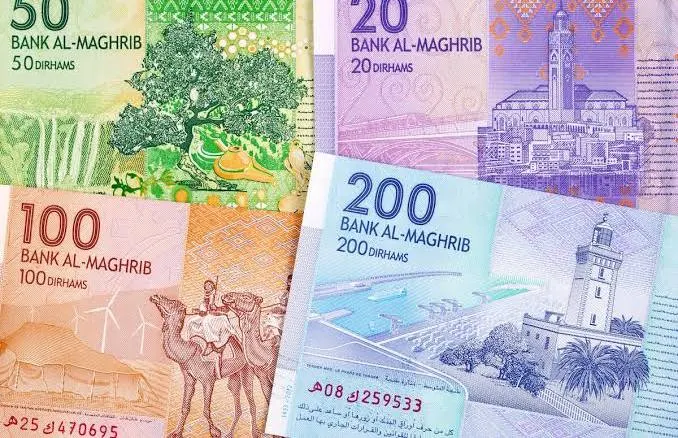
- Banknotes: 20, 50, 100 and 200 dirhams. The 200 note is the largest, so you carry a lot of paper for big payments.
- Change: small sellers often struggle to change a 200 note. Break big notes at shops, supermarkets and your hotel.
Where to Change Money in Morocco
The dirham is a restricted currency, so you usually cannot buy it before you travel at a good rate. Change money after you arrive.
| Option | Good points | Watch out for |
|---|---|---|
| Banks and bank ATMs | Fair and clear rates | Queues and short opening hours |
| Exchange offices | Quick, open late in cities | Compare the rate and any commission |
| Airport exchange | Convenient on arrival | Often a weaker rate, so change only a small amount |
| Hotels and riads | Easy | Usually the poorest rate |
| Street changers | None worth the risk | Avoid. Scams and fake notes are possible |
Bring clean, undamaged euro, dollar or pound notes, because torn or old notes can be refused. Keep your exchange receipts. Rules also limit how many dirhams you can take out of the country, so spend or change back your leftover money before you fly, and ask the bank or exchange office about the current rules.
ATMs and Cards in Morocco
ATMs are the easiest way to get dirhams in cities and bigger towns. Look for ATMs inside or next to a bank, in daylight if you can.
- Visa and Mastercard are widely accepted. Other cards are less common.
- Withdrawal limits are often 2,000 MAD per transaction, so you may need more than one withdrawal. Machines and your bank may charge a fee.
- If the ATM or a card terminal offers to charge you in your home currency, choose dirhams. The home-currency option usually has a worse rate.
- Tell your bank you are travelling so your card is not blocked.
- Carry a second card and keep it in a different place.
Money in Merzouga and the Sahara
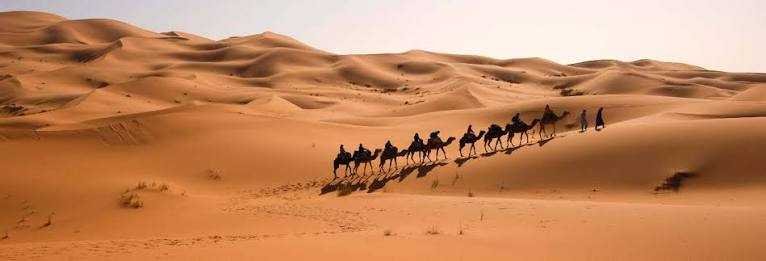
Merzouga is a small village, and the desert is far from banks. Get your cash before you arrive, in a bigger town such as Errachidia or Rissani, or in the city you travel from. Machines in small villages can run out of money or be out of service. In a desert camp you will mostly pay in cash for drinks, souvenirs, music or tips, so take small notes. If you have booked a camp tour, ask what is included before you go, so you know what you still need to pay. Our guide to the desert camp and camel ride in Merzouga explains what a typical night includes.
Tipping in Morocco
Tipping is a normal part of daily life. These amounts are common guides, not rules.
| Service | Typical tip |
|---|---|
| Café or small restaurant | About 10 percent, or round up the bill |
| Taxi driver (small taxi) | Round up the fare |
| Hotel or riad porter | 10 to 20 MAD per bag |
| Housekeeping | 10 to 20 MAD per day |
| Private driver or guide | Often 100 to 200 MAD a day, more if the service was excellent |
| Camp and camel team | A shared tip at the end, as you feel is fair |
Bargaining and Fair Prices
In souks, you are expected to bargain for crafts, carpets, leather and souvenirs. Smile, offer about half of the first price and meet in the middle. If you do not want to buy, say “no, thank you” and walk on. Restaurants, supermarkets and many tours have fixed prices. Agree on the price of a taxi or a guide before you start, and ask whether it is per person or per group.
Simple Money Tips
- Check the live rate with a currency app before you change money.
- Change small amounts at first, then use ATMs for the rest.
- Carry many small notes and coins for tips and small purchases.
- Count your change, and ask for a receipt in shops and exchange offices.
- Keep cash in two places, for example a wallet and a money belt.
- Spend or change back your extra dirhams before you leave Morocco.
Plan Your Trip
For help planning your days in the south, see our list of things to do in Merzouga and our guide to the Erg Chebbi dunes. For a general background on the currency, you can read the Moroccan dirham article on Wikipedia.
Frequently Asked Questions
What is the currency in Morocco?
The Moroccan dirham (MAD). One dirham equals 100 centimes.
How many dirhams are in one euro?
Roughly 10 to 11 dirhams, but the rate changes daily. Check a live rate before you exchange.
Can I use euros or dollars in Morocco?
Some tourist businesses accept them, but the rate is usually poor. It is better to pay in dirhams.
Can I buy dirhams before I travel?
It is usually difficult and not good value. Change money or use an ATM after you arrive.
Do I need cash in the Sahara desert?
Yes. Cards are rare in Merzouga and desert camps. Bring enough cash for drinks, tips and souvenirs.
Is it safe to use ATMs in Morocco?
Yes, in general. Use machines at banks, cover your PIN and check your card before you leave the machine.
Ask a Local Team Before You Go
We are a local Merzouga team and we are happy to explain what to pay and what is included in your trip. Message us on WhatsApp at +212 620 628 083 or use our contact page, tell us your dates, and we will help you plan your days and your desert camp.