Morocco Travel Safety: Is Morocco Safe to Visit? An Honest Guide for Travelers
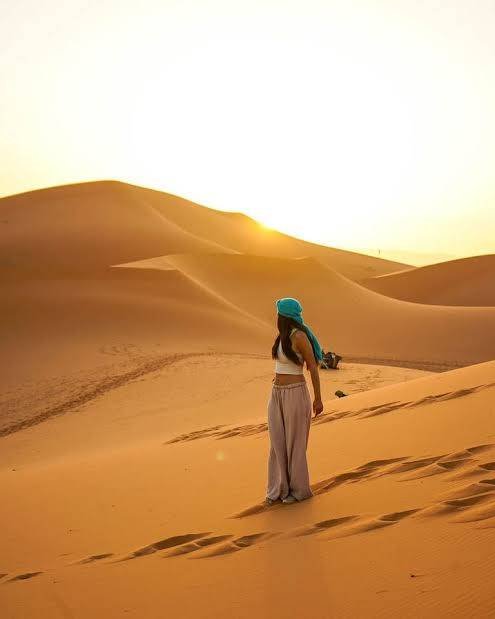
Morocco travel safety is one of the most common questions we hear from visitors, and the honest answer is reassuring but not simplistic. Morocco is a popular, well-established destination, and millions of travelers visit without any serious problem. The real risks are mostly practical: pushy sellers and scams in busy medinas, road accidents on long journeys, heat and dehydration, stomach upsets, and a few local rules that surprise first-time visitors. This guide explains each risk plainly, how to reduce it, and what to do if something goes wrong. Conditions and official advice can change, so always check your own government’s current travel advice before you book and again before you fly.
The Short Answer: Is Morocco Safe for Tourists?
For most travelers, yes. Tourism is a major part of the Moroccan economy, and hotels, riads, guides and camps have strong reasons to treat guests well. Violent crime against visitors is not the typical experience. Most problems are small and avoidable. Safe does not mean risk-free, though, so it helps to separate the risks into three groups.
- Lower risk: serious violent crime aimed at tourists, especially in the main tourist areas and with reputable operators.
- Moderate risk: scams, overcharging, aggressive touts, petty theft in crowded places, stomach problems and unwanted attention for some women travelers.
- Risks that deserve real attention: road safety, heat, adventure activities without a good operator, and ignoring local laws.
For the entry rules that go with a safe trip, see our guide to the Morocco visa.
Morocco Travel Safety at a Glance
| Topic | What to expect | Main precaution |
|---|---|---|
| Scams and touts | Common in big-city medinas | Agree prices first, politely decline unrequested “guides” |
| Petty theft | Crowded markets and stations | Keep valuables out of sight, use a zipped bag |
| Road travel | Long distances, mountain passes | Avoid night driving, split long journeys |
| Health | Stomach upsets, heat | Bottled water, sun protection, travel insurance |
| Desert | Hot days, cold nights | Book a reliable operator, bring layers and water |
| Local laws | Some rules differ from Europe or the US | Read the rules below before you go |
Common Scams and How to Avoid Them
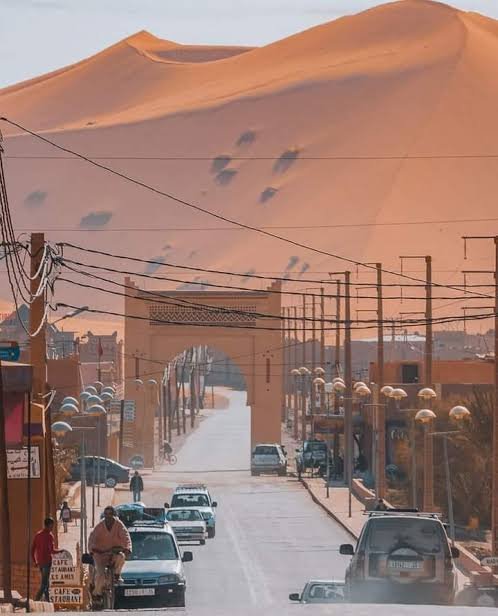
The most frequent bad experience in Morocco is not danger but pressure. In busy medinas such as Marrakech and Fes, some people approach visitors offering directions, tours or souvenirs and then expect payment. It is annoying rather than harmful, and a few habits take most of the stress away.
- Be wary of anyone who says a street is closed or that the shop you want has moved. Check on your map or ask your accommodation.
- Agree the price of a taxi, guide or activity before you start, and confirm what is included.
- Accept that “free” help often leads to a request for a tip. A polite “no, thank you” and continuing to walk works well.
- In shops, bargaining is normal. Decide what something is worth to you and do not feel obliged to buy after a long conversation.
- Ask before photographing people, and be ready for a request for payment from street performers or animal handlers.
- Book tours and desert camps in advance with a provider you have checked, rather than on the street.
Choosing a reliable company matters. Our guide on how to choose a reliable Morocco travel agency lists what to check.
Petty Theft and Personal Safety
As in any popular destination, pickpocketing and bag snatching can happen in crowded souks, bus and train stations and around major sights. Use common sense: carry only the cash you need, keep your phone out of back pockets, wear a cross-body bag in front of you, and store your passport and spare cards in your accommodation safe. Keep a photo of your passport and insurance details on your phone. After dark, stay on well-lit, busier streets and use a licensed taxi rather than walking through quiet areas.
Road Safety and Getting Around
For many visitors, the journey is a bigger risk than the destination. Distances are long, mountain roads are winding, and you may share the road with trucks, motorbikes, animals and pedestrians. Fatigue builds quickly on days of eight hours or more.
- Avoid driving at night outside towns.
- If you are not confident on mountain roads, use a professional driver or an organized tour.
- Check winter conditions on Atlas passes, where fog, ice and snow can occur.
- Always wear a seat belt and split long routes into two or three days.
- Use the trains between major cities when they suit your route, and agree the fare with taxi drivers or ask for the meter.
If you plan to drive yourself, read our guide to car rental in Morocco for insurance and paperwork tips.
Health, Food and Water
- Water: stick to sealed bottled water and be careful with ice of unknown origin.
- Food: eat at busy, clean places where food is cooked fresh. Most travelers enjoy Moroccan food without trouble, but a mild stomach upset is the most common complaint.
- Medical kit: bring your personal prescriptions, rehydration salts, anti-diarrhea tablets, pain relief, plasters, insect repellent and sunscreen.
- Vaccinations: ask your doctor or a travel clinic what is recommended for you before departure.
- Insurance: take travel insurance that covers medical care and any adventure activities you plan, such as quad biking.
Major cities have pharmacies and hospitals, but facilities are thinner in remote areas, so plan ahead if you will be far from a large town.


Is Morocco Safe for Solo Female Travelers?
Many women travel in Morocco alone and have a great time, but it is fair to say that unwanted verbal attention can happen, especially in large cities. Practical choices make a difference: dress modestly in towns, with shoulders and knees covered; avoid walking alone late at night; choose well-reviewed accommodation; share your live location with someone you trust; and trust your instincts about drivers and guides. A small-group tour is a comfortable option for a first solo trip. Our full guide to solo female travel in Morocco goes into more detail.
Morocco Travel Safety for Families With Children
Families travel in Morocco regularly. The main points are sun protection, plenty of water, careful food choices, car seats or safe seating on long drives, and warm clothes for cool desert evenings. Keep children close in crowded souks, and check that any activity such as quad biking suits their age. For ideas, see our 10-day Morocco itinerary with kids.
Safety in the Sahara Desert
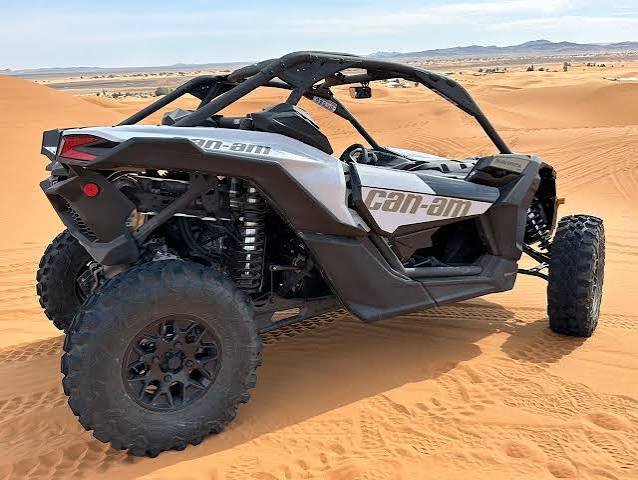
The desert is a highlight for many visitors, and a night in a well-run camp is a standard tourist experience. The real hazards are environmental: strong heat in summer, cold nights in winter, wind and sand, and getting lost on the dunes without a guide. Drink water regularly, wear a hat and sunglasses, bring warm layers for the evening, keep your phone charged and stay within sight of the camp at night. For quad and buggy rides, choose an operator with maintained vehicles, helmets and a guide, and ask about insurance. We cover this in depth in quad bikes and buggy in Merzouga: safety and what to expect and spending a night in the desert. The weather matters too, so check the best time to go to Merzouga.

Local Laws and Etiquette Every Visitor Should Know
Staying safe also means respecting local rules and customs. Morocco is a Muslim country, and some things that are normal at home can cause problems here.
- Drugs: illegal drugs, including cannabis, are against the law. Do not buy or carry them, even if offered.
- Alcohol: available in some hotels, bars and licensed restaurants, but avoid drinking in public.
- Dress: modest clothing in towns and villages is respectful and reduces unwanted attention.
- Public affection: keep it discreet.
- Photography: ask permission before photographing people, and avoid photographing military sites and government buildings.
- Drones: check the current rules before bringing one, as restrictions apply.
- Ramadan: many places close or change hours by day, so eat and drink discreetly in public and plan around it.
- Other rules: check your government’s travel advice for laws that may affect you, including those on relationships and LGBTQ+ travelers.
Terrorism, Protests and Staying Informed
Like many countries, Morocco has faced security threats in the past, and governments publish their own assessments. We cannot tell you the current level of risk, so check your foreign ministry’s advice before you travel and register with your embassy if that service is available. Avoid demonstrations and large political gatherings, follow local news, and listen to your hotel or guide if they advise changing plans. Also check advice for the specific regions you will visit, as it can differ by area.
What to Do in an Emergency
- Contact your accommodation or tour operator first. They can usually help quickly and speak the local language.
- Save the local emergency numbers before you travel. Commonly listed ones are 19 for the police in towns, 177 for the Gendarmerie in rural areas and 15 for ambulance and fire, but confirm them in current official sources.
- Report theft to the local police and keep the report for your insurer.
- Keep your insurer’s 24-hour number, your embassy contact and copies of your documents in your phone.
A Practical Morocco Safety Checklist
- Read your government’s current travel advice and check entry rules.
- Buy travel insurance that covers medical care and your activities.
- Book tours and camps with providers you have checked, and confirm details in writing.
- Carry a copy of your passport and keep the original safe.
- Use sealed bottled water and pack a basic medical kit.
- Avoid night driving and split long journeys.
- Agree prices before taxis, guides and activities.
- Dress modestly and respect local customs and laws.
- Bring warm layers for desert nights and sun protection for the days.
- Share your itinerary with someone at home.
Morocco Travel Safety: Frequently Asked Questions
Is Morocco safe to visit right now?
Most visitors travel without serious problems, but conditions change. Check your government’s latest travel advice before booking and before departure.
Is Morocco safe for solo female travelers?
Many women travel alone successfully. Expect some unwanted attention in cities, dress modestly, avoid isolated areas at night and use trusted providers.
Is it safe to drink tap water in Morocco?
Most travelers stick to sealed bottled water to avoid stomach problems.
What are the most common scams in Morocco?
Unrequested guides who expect payment, false claims that a road or shop is closed, and overpriced taxis or services when no price is agreed. Agree prices first and decline politely.
Is it safe to sleep in a desert camp?
A reputable camp with staff and good reviews is a standard, safe tourist experience. Prepare for cold nights and keep valuables with you.
Is it safe to drive in Morocco?
It can be, with care. Avoid driving at night, allow extra time on mountain roads, and consider a professional driver for long routes.
Is Morocco safe for families?
Yes, with sensible planning for sun, water, food and long drives.
Do I need travel insurance for Morocco?
It is strongly recommended, especially if you plan adventure activities such as quad biking.
Travel Morocco With a Team That Looks After You
Questions about safety, the best season or the right trip for your family or group? Tell us your dates and who is travelling and we will advise you honestly. Message us on WhatsApp at +212 620 628 083, see how to book a Merzouga tour, or use the contact page. You may also like our Marrakech travel guide and what is Merzouga.