Chefchaouen Blue City: Complete Travel Guide to Morocco’s Blue Pearl
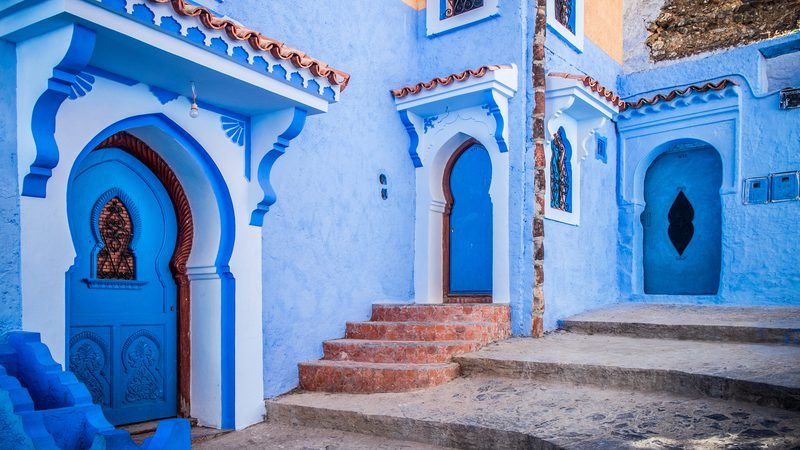
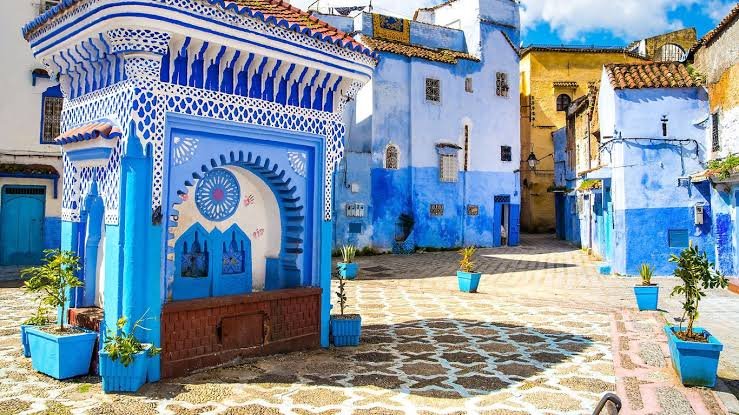
Chefchaouen blue city is one of the most photographed places in Morocco, and one of the most relaxing. Set in the Rif Mountains in the north of the country, this small town is known for the blue-painted walls, doors and steps of its old medina. Unlike the large imperial cities, it moves at a slow pace. You come here to wander narrow lanes, sit in a café with a mountain view, shop for woven blankets and local crafts, and walk to a hilltop viewpoint at sunset. This guide explains what to see in Chefchaouen, why the town is blue, how many days you need, the best time to visit, how to get there, what to eat, and practical tips so you can enjoy the blue city without stress.
Chefchaouen Blue City at a Glance
| Topic | What to know |
|---|---|
| Where it is | Rif Mountains, northern Morocco |
| Known for | Blue-washed medina, mountain setting, relaxed atmosphere |
| Best for | Photography, slow walks, crafts, hiking nearby |
| How long to stay | One full day at minimum, two nights is more comfortable |
| Best seasons | Spring and autumn |
| Getting there | Road from Tangier, Fes or Tetouan; bus, shared taxi, private driver or car |
| Pace | Slow, walkable, hilly in places |
Why Is Chefchaouen Blue?
Almost every visitor asks why the town is blue, and the honest answer is that there is no single accepted explanation. Several stories are commonly told. One says that families who settled here in the past brought the tradition of painting with blue. Another says the colour keeps houses cooler or helps discourage insects. A third links it to spiritual symbolism, with blue standing for the sky and heaven. Others point out that today the colour is also kept up because it attracts visitors and photographers. Whichever story you prefer, the result is the same: shades of blue, from pale sky to deeper indigo, covering walls, stairways and doorways across the medina.

A Short History of Chefchaouen
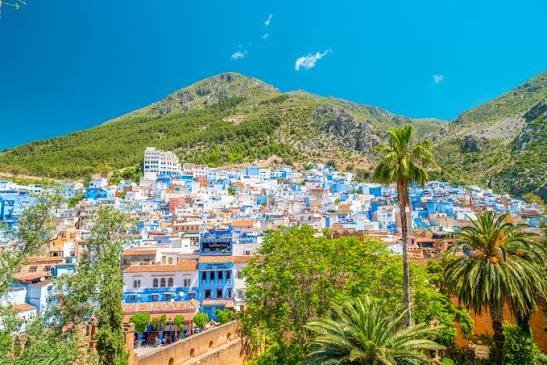
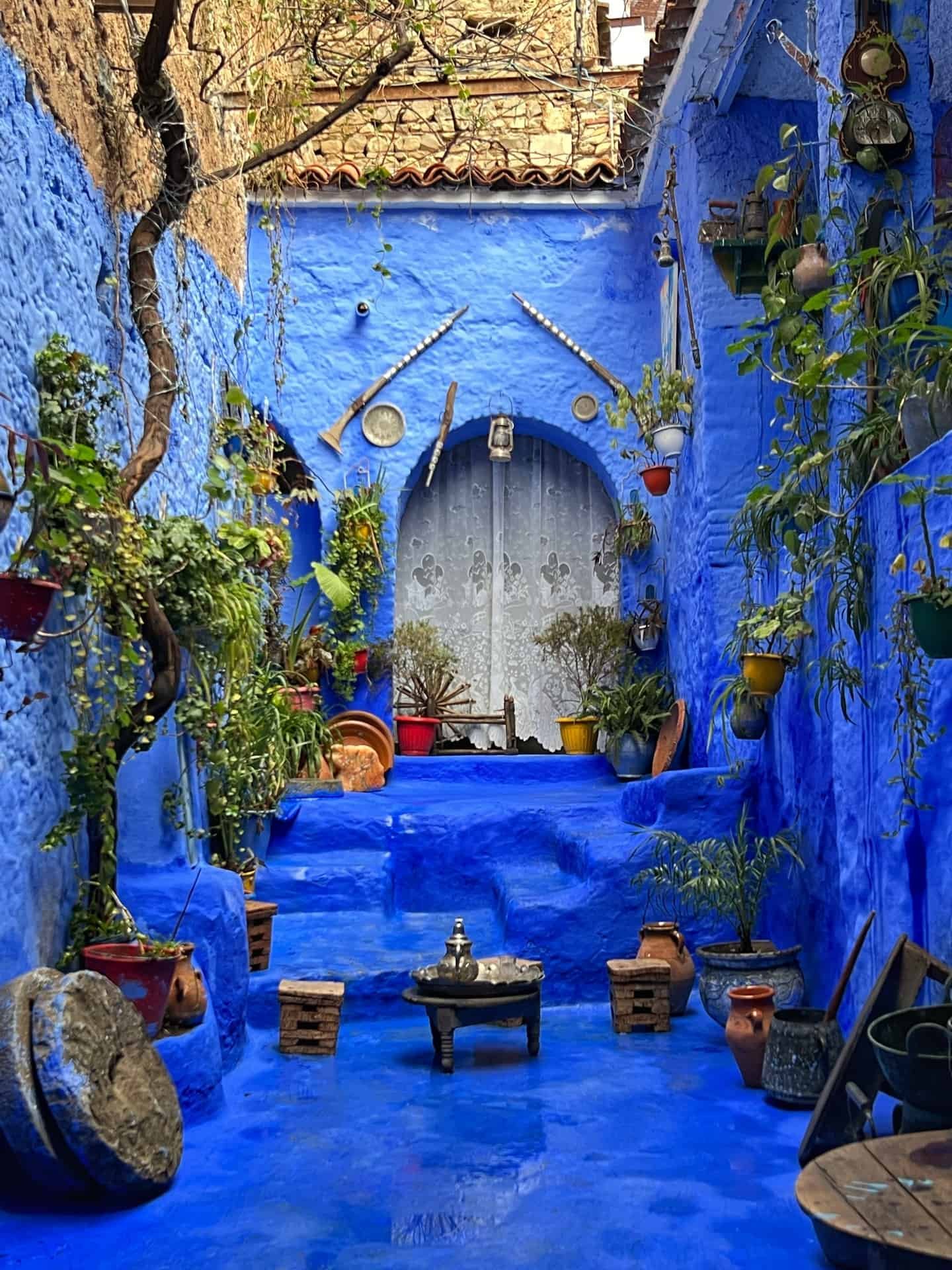
Chefchaouen was founded in the 15th century as a fortified settlement in the mountains, and its early growth is linked to people arriving from Andalusia in southern Spain. That heritage is still visible in the architecture, with tiled roofs, arched doorways and small courtyards, and it gives the town a different character from the cities of the south. Its mountain position also gave it a long history of independence and a distinct local culture, with Spanish still widely understood in the north because of the region’s past. Today, Chefchaouen is a small town where daily life, tourism and crafts sit side by side.
Best Things to Do in Chefchaouen
1. Get lost in the blue medina
The heart of any visit is simply walking. The medina is compact, so it is hard to get truly lost, and every turn brings another staircase, door or flower pot against blue walls. Go early in the morning for quiet lanes and softer light, and come back in the late afternoon when the sun is lower. Take time to look at the details: carved doors, hanging lanterns, shop signs and small fountains.


2. Visit Plaza Uta el-Hammam and the Kasbah
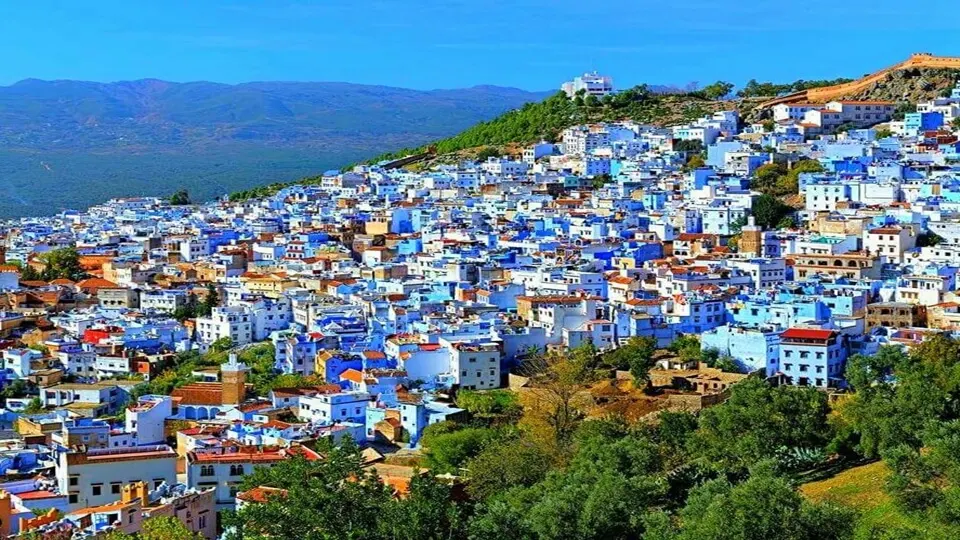
The main square of the medina is the social centre of town, lined with cafés and restaurants and overlooked by the old kasbah and the Great Mosque. It is the easiest place to stop for a mint tea and watch daily life. The kasbah fortress has a garden courtyard and a small museum, and climbing its tower gives a view over the rooftops and the surrounding mountains.
3. Walk to the Spanish Mosque for sunset
On a hill above the town, the Spanish Mosque is a popular viewpoint. It is a short walk uphill from the medina and gives a wide view of the blue town against the mountains. Sunset is the favourite time, though it can be busy. Wear comfortable shoes and take water.
4. Ras el-Maa and the local spring
At the edge of the medina, Ras el-Maa is a spring and waterfall area where water flows out of the mountain. Locals have traditionally used it, and it is a pleasant, cool place to sit and watch small streams and washing areas. It is also the starting point for walking routes into the hills.
5. Shop for crafts
Chefchaouen is a good place to buy woven blankets, wool items, leather goods, pottery and painted wood. Prices are often easier to negotiate calmly here than in the large souks, but it is still worth comparing a few shops. Ask before photographing shopkeepers or craftspeople.
6. Hike in the surrounding mountains
The hills around town offer walks of different lengths, from easy trails by the spring to longer routes in the nearby national park area. A short drive from the town, the Akchour area is known for river pools, waterfalls and a natural rock arch. Hiking is most comfortable in spring and autumn. Go with a local guide if you plan a long walk, bring water and check conditions with your accommodation first.
7. Eat local food
Try the local goat cheese, fresh bread, olives, tagines, lentil and bean soups, and fresh orange juice. Many restaurants have terraces with views, which makes lunch a highlight of the day.

How Many Days Do You Need in Chefchaouen?
- Half a day: enough for a quick walk through the medina and the main square, but you will feel rushed.
- One full day: a good minimum. Morning in the medina, lunch on a terrace, afternoon at Ras el-Maa and sunset at the Spanish Mosque.
- Two nights: the most comfortable choice. It adds a quiet early morning in the lanes and time for a hike or a day trip.
A Simple One-Day Chefchaouen Itinerary
- Morning: arrive early and walk the medina while the lanes are quiet. Take photos before the day-trippers arrive.
- Late morning: visit the kasbah and the main square, and stop for mint tea.
- Lunch: eat on a terrace with a view and try local cheese and tagine.
- Afternoon: browse craft shops, then walk to Ras el-Maa.
- Evening: climb to the Spanish Mosque for sunset and return for dinner in the medina.
Best Time to Visit Chefchaouen
Spring and autumn are generally the most comfortable seasons, with pleasant temperatures for walking and clearer views. Summer is warmer and busier, although the mountain setting can feel cooler than inland cities; plan activities for the morning and evening. Winter can bring rain, cooler temperatures and cloud, which some travelers enjoy for the quiet, but you should pack warm, waterproof clothing. At any time of year, arriving early in the day or staying overnight helps you see the town without crowds.
How to Get to Chefchaouen
Chefchaouen does not have its own railway station, so most visitors arrive by road.
- From Tangier or Tetouan: the nearest airports and the most direct approach. Buses, shared taxis and private transfers run on this route.
- From Fes: a long day by road, so many travelers use a private driver or a tour and stay at least one night.
- From Casablanca or Rabat: usually done by train to a northern city and then by bus or taxi, or by private driver.
- By rental car: good for flexibility, but mountain roads are winding and parking in the old town is limited. Read our car rental in Morocco guide first.
Journey times vary with traffic and season, so confirm timetables and distances locally before you go. Chefchaouen fits well on a northern route with Fes, Meknes, Asilah and Rabat. See our overview of Morocco travel destinations to place it on a wider itinerary.
Where to Stay in Chefchaouen
Staying inside or close to the medina saves time and lets you enjoy the quiet early and late hours. Small guesthouses and riads with rooftop terraces are popular, and some have mountain views. Check how far the property is from where taxis can stop, since many lanes are too narrow for cars. Because the town is hilly, ask about stairs if you have heavy luggage or limited mobility. Book ahead in spring, autumn and holidays.
Photography Tips for the Blue City
- Shoot early in the morning or late in the day for soft light and fewer people.
- Look for details: doors, steps, plants, tiles and window frames.
- Ask permission before photographing residents or shopkeepers; some may ask for a tip.
- Be respectful of private doorways and homes, and do not block narrow lanes.
- Wear comfortable shoes, as lanes are steep and often uneven.
Is Chefchaouen Safe? Practical Tips
Chefchaouen is generally an easygoing town for visitors, but a few habits help. Agree prices before accepting guides or services, and politely decline anyone offering illegal drugs. The area is known for cannabis cultivation, but it is illegal for tourists to buy or carry it, so say no and keep walking. Dress modestly, keep valuables out of sight in busy places, and use bottled water. For general advice, read our guide to Morocco travel safety, and check the Morocco visa page for entry rules.
Combine Chefchaouen With the Sahara
Many travelers pair the blue city with the desert on a 10 to 14 day route: Chefchaouen, then Fes, then across the Middle Atlas to the dunes of Merzouga, before returning via the Atlas to Marrakech. The long distance means it helps to split the journey and add a night along the way. See our guides to Merzouga, our 4×4 trips and desert camps.


Chefchaouen Blue City: Frequently Asked Questions
Why is Chefchaouen called the blue city?
Because the walls, doors and steps of its old medina are painted in shades of blue. There is no single agreed reason, and several stories exist about cooling, insects, tradition and symbolism.
Is Chefchaouen worth visiting?
For most travelers, yes. It is a relaxed, scenic town and a good contrast to the large cities, especially if you like photography, walking and slow travel.
How many days do I need in Chefchaouen?
One full day is the minimum. Two nights lets you enjoy early mornings and a hike without rushing.
What is the best month to visit Chefchaouen?
Spring and autumn are usually the most comfortable. Summer is warmer and busier, and winter can be wet and cool.
How do I get from Fes to Chefchaouen?
By bus, shared taxi, private driver or rental car. It is a long journey, so many travelers plan it as a transfer day.
Is Chefchaouen safe for tourists?
It is generally relaxed for visitors. Use normal precautions, agree prices first and decline any offers of illegal drugs.
Can I visit Chefchaouen and the Sahara in one trip?
Yes, but plan enough days. Ten to fourteen days gives you time for the north, Fes and the desert without rushing.
Are the stairs in Chefchaouen difficult?
The medina is hilly with many steps, so wear sturdy shoes and choose a hotel with easy access if you have luggage or mobility concerns.
Plan Your Morocco Trip With Local Experts
Want to see Chefchaouen and then continue to the Sahara? Tell us your dates and how many days you have, and we will suggest a realistic route. Message us on WhatsApp at +212 620 628 083, see how to book a Merzouga tour, or use the contact page.