Morocco Travel Destination: Best Places to Visit, When to Go and How to Plan Your Trip
Morocco is a travel destination that packs imperial cities, blue mountain towns, Atlantic beaches, snow-capped peaks and the Sahara dunes into a country you can explore in one or two weeks. This guide to Morocco as a travel destination explains the best places to visit, what each region offers, when to go, how many days you need, how to get around, what to pack and how to avoid common mistakes. Distances, seasons and travel times are approximate and can change, so check current information before you book. We do not quote fixed prices.
Why Morocco is such a popular travel destination
- Variety: cities, mountains, coast and desert in one country.
- Culture: Arab, Amazigh (Berber), Andalusian, African and French influences in food, architecture and daily life.
- Accessibility: short flights from many European cities, and a good train and road network between the main cities.
- Year-round options: there is always a region with pleasant weather.
- Range of budgets and styles: from simple guesthouses to luxury riads and desert camps.
For basic geography, read where is Morocco: location, map, neighbours and how to get there and the Wikipedia article on Morocco.
The best places to visit in Morocco
Marrakech
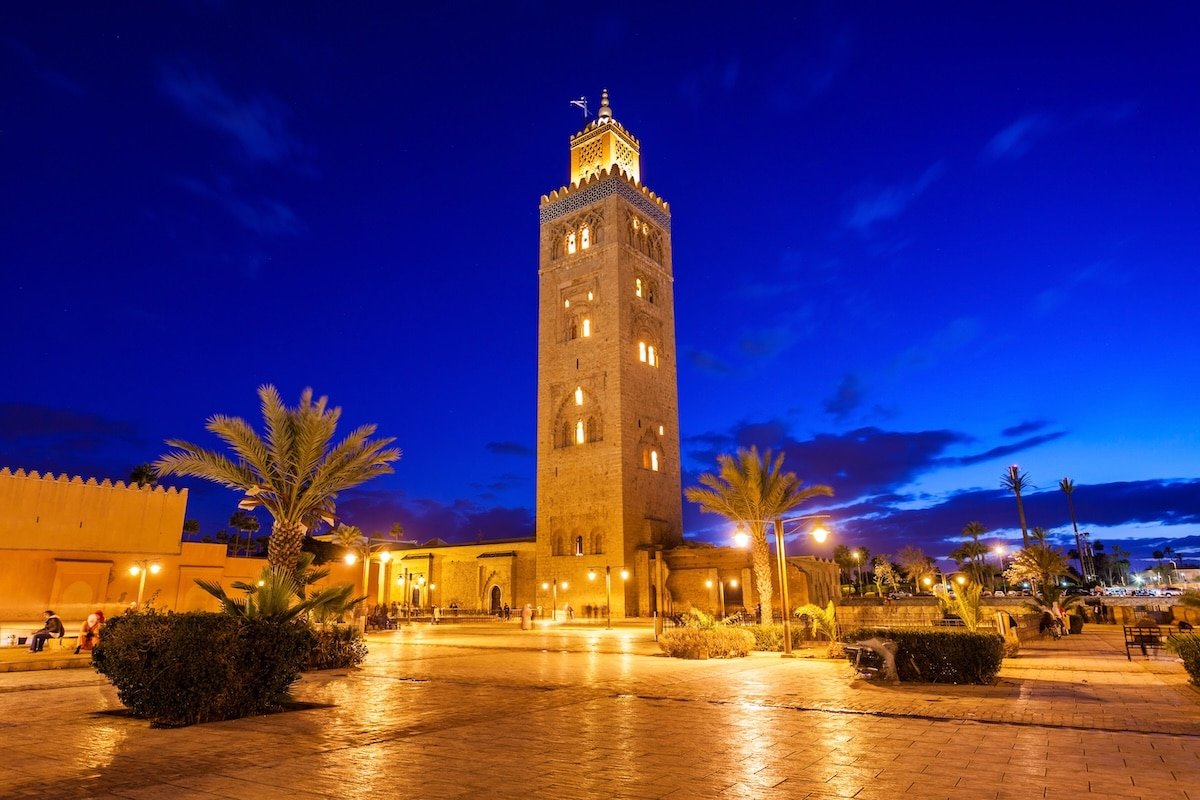
The most famous Moroccan city, with a lively square, souks, palaces and gardens at the foot of the Atlas mountains. It is a base for day trips and desert tours. Read the Marrakech travel guide, Marrakech attractions and activities and the Marrakech souks guide.
Fes
Home to one of the largest and oldest medinas in the Arab world, with traditional crafts, madrasas and tanneries. It suits travellers who enjoy history and a more intense, traditional atmosphere.
Meknes and Volubilis
A calmer imperial city with grand gates and royal monuments, close to the Roman ruins of Volubilis. See our Meknes travel guide.
Rabat
The capital, with a relaxed feel, historic sites, gardens and an Atlantic setting. It is often a quiet stop between Casablanca and Fes.
Casablanca
The largest city and economic centre, known for the Hassan II Mosque and Art Deco architecture. Many travellers arrive here by air. See what to see in Casablanca.
Chefchaouen
The famous blue-painted mountain town in the Rif, popular for photography, walks and a slower pace.
Tangier and the north
A port city on the Strait of Gibraltar, with a long history as a meeting point between Europe and Africa, and a base for the northern coast.
Essaouira and the Atlantic coast
A windy, relaxed coastal town with a walled old town, fish restaurants and art galleries. Agadir and nearby beaches are also popular for sun and surf.
The High Atlas and Atlas villages
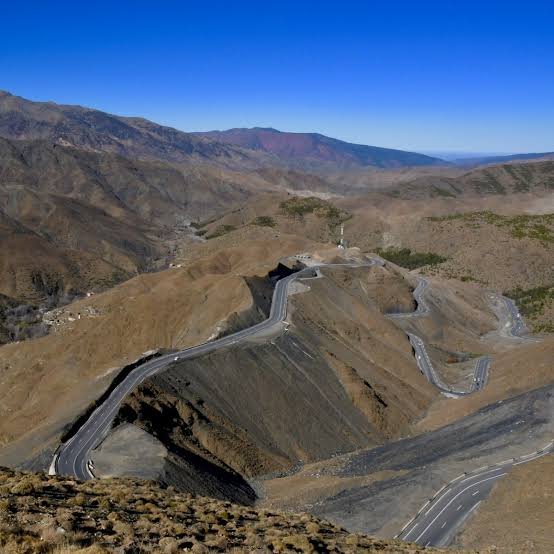
Mountains, valleys and Amazigh villages for hiking, scenery and local culture, with snow in winter and cooler air in summer.


Ouarzazate and Ait Ben Haddou
The gateway to the Sahara, known for kasbahs, film studios and dramatic landscapes. Ait Ben Haddou is a UNESCO World Heritage Site. See what to see in Ouarzazate.
Dades Valley, Todra Gorge and the oases
Rocky canyons, palm groves and kasbah villages on the road towards the desert. They are among the most scenic stops of southern Morocco.
Merzouga and the Sahara
The Erg Chebbi dunes, camel rides, desert camps and starry nights. It is a long way from the main cities, but one of the most memorable parts of a Morocco trip. See the Merzouga desert complete guide and Merzouga activities.


Agafay desert
A rocky desert near Marrakech, good for a short desert experience, sunset and camps. Read the Agafay desert guide.
When is the best time to visit Morocco?
- Spring (March to May): mild weather and green landscapes. One of the best seasons overall.
- Summer (June to August): very hot inland and in the desert. The coast and mountains are cooler.
- Autumn (September to November): warm days and pleasant evenings. Excellent for cities and the desert.
- Winter (December to February): mild in the south by day, cold at night, snow in the Atlas, cooler and wetter in the north.
Climate varies by region and from year to year. For desert timing read best time to go to Merzouga and Merzouga weather month by month.
How many days do you need in Morocco?
- 3 to 4 days: one city and a short excursion, for example Marrakech and the Agafay desert.
- 7 days: Marrakech, the Atlas, Ait Ben Haddou and the Sahara, or the imperial cities.
- 10 days: a loop through the south, the desert and the imperial cities.
- 14 days or more: a full tour including the north, the coast and the desert at a comfortable pace.
Morocco is larger than many travellers expect, and journeys between regions can take many hours. Fewer stops with more time in each place is usually more enjoyable than a rushed itinerary. For family planning read Morocco 10 days itinerary with kids.
Sample Morocco itineraries
Classic 7 days: Marrakech and the desert
- Marrakech: two days for the medina, souks and gardens.
- Over the High Atlas to Ait Ben Haddou and Ouarzazate.
- Dades Valley or Todra Gorge towards Merzouga.
- Camel ride and a night in a desert camp.
- Return towards Marrakech, with stops on the way.
Imperial cities: 8 to 10 days
- Casablanca or Rabat on arrival.
- Meknes and Volubilis.
- Fes for two days.
- Optional Chefchaouen.
- Middle Atlas towards the desert.
- Merzouga, then Marrakech.
For desert routes see tour from Fez to Merzouga and best desert tour from Marrakech.
How to get to and around Morocco
- Flights: international airports include Casablanca, Marrakech, Fes, Rabat, Tangier and Agadir. Routes and airlines change.
- Trains: a comfortable way to travel between the northern and western cities. Check timetables with the operator.
- Buses: long-distance buses reach most towns.
- Private driver or tour: the easiest way to cover long distances and reach the desert.
- Rental car: flexible but demanding on mountain roads and in cities. Read car rental in Morocco.
- Taxis: petit taxis in cities and grand taxis between towns. Agree fares or ask for the meter.
To compare ways of travelling read independent travel or organised tour in Morocco and how to book a trip to Morocco.
Visa, money, language and safety
- Visa: rules depend on your nationality and change over time. Check official sources and read Morocco visa.
- Currency: the Moroccan dirham. Cash is useful for markets, taxis and small purchases. See the Wikipedia page on the dirham.
- Languages: Arabic and Amazigh are official, and French is widely used. See what languages are spoken in Morocco.
- Safety: most visitors have trouble-free trips. Take usual precautions, avoid unofficial guides and check official advice. Read is it safe to visit Morocco and Morocco solo female travel.
- Etiquette: dress modestly, especially near religious sites, and ask before photographing people.
What to pack for Morocco
- Light, breathable clothing that covers shoulders and knees.
- A warm layer for desert and mountain evenings.
- Comfortable walking shoes.
- Sun protection: hat, sunglasses and sunscreen.
- A scarf for sun, dust and visiting religious places.
- A power bank and a universal adapter.
- Personal medication and basic first aid.
See what to wear: a packing guide for every season.
Experiences to include in your trip
- Wandering a historic medina and tasting street food.
- A camel ride and a night in a desert camp. See spend a night in the desert in Merzouga.
- Quad, buggy or 4×4 adventures. See quad bikes and buggy in Merzouga.
- A hike in the Atlas or a visit to an Amazigh village.
- A hammam and mint tea.
- A cooking class with tagine and couscous.
- Sunset on the Atlantic coast.
To see all your desert options read desert excursions in Morocco and how much does it cost to visit the desert in Morocco.
Common mistakes when planning a Morocco trip
- Trying to see too much in too few days.
- Underestimating travel times between regions.
- Visiting the desert in peak summer without preparation.
- Not agreeing taxi fares or tour inclusions in advance.
- Booking the cheapest option without checking what is included.
- Skipping travel insurance.
- Leaving no time to rest.
Morocco travel destination: frequently asked questions
Is Morocco a good travel destination?
Yes. It offers cities, mountains, coast and desert, with a rich culture and good access from Europe.
What is the best city to visit first?
Many first-timers start with Marrakech, then add Fes, the desert or the coast depending on time.
How many days are enough?
One week gives a good introduction. Ten to fourteen days allows a broader route at a comfortable pace.
What is the best month to go?
Spring and autumn are generally the most comfortable for combined city and desert trips.
Do I need a guide?
Not always. A guide is useful in large medinas and for desert or mountain activities.
Is the Sahara easy to reach?
It takes a long journey, so plan at least a few days. Merzouga is the main access point for the large dunes.
Is Morocco suitable for solo travellers?
Many solo travellers visit Morocco. Prepare, follow local advice and choose accommodation with good reviews.
Can I travel Morocco with children?
Yes, with attention to heat, long drives and pace.
Which region is best for beaches?
The Atlantic coast, including Essaouira and Agadir, and parts of the northern coast.
Should I book a tour or travel independently?
It depends on your confidence, time and destinations. Tours simplify long journeys and desert trips, while independent travel gives flexibility in cities.
Plan your Morocco trip with us
Tell us your dates, your starting city and the experiences you want, and we will help you plan the route, the stops and the desert nights. Message us on WhatsApp at +212 620 628 083 or use the contact page. You can also read how to find a good tour operator in Morocco.