Morocco Travel Guide: Everything You Need to Know Before Your First Trip
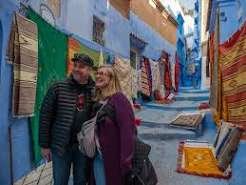
Morocco is one of the easiest countries in Africa to visit and one of the most rewarding. In a single trip you can wander through a red medina, cross the High Atlas, sleep in a tent among Sahara dunes and watch the sun set over the Atlantic.
This Morocco travel guide is written for first-time visitors. It covers the practical questions in the order you will meet them: when to go, entry rules, money, transport, where to go, how long to stay, what to eat, how to behave and what to pack.
If you already know you want ideas for places, read our list of the best Morocco travel destinations. If safety is your main worry, start with Morocco travel safety. Otherwise, keep reading.
Table of Contents
Morocco Travel Guide at a Glance
Use this table as a quick reference. Rules and prices can change, so confirm the details that matter (especially entry rules) before you book.
| Topic | Quick answer |
|---|---|
| Capital | Rabat (the biggest city is Casablanca) |
| Official languages | Arabic and Amazigh (Berber); French is widely used |
| Currency | Moroccan dirham (MAD) |
| Best seasons | Spring (March to May) and autumn (September to November) |
| Visa | Many nationalities enter visa-free for up to 90 days; check yours |
| Electricity | 220 V, European two-pin plugs |
| Main airports | Marrakech, Casablanca, Fes, Tangier, Agadir, Errachidia, Ouarzazate |
| Ideal trip length | 7 to 10 days for the classic route |
| Must-do | A night in the Sahara, a medina walk and a Moroccan tagine |
Why Visit Morocco?
Morocco packs an unusual amount of variety into a small area. Within one week you can see snow-capped mountains, desert dunes, a surf coast, ancient imperial cities and a blue-washed mountain town. It is close to Europe, with short flights from many cities, yet it feels completely different.
It also suits many kinds of traveller. Families enjoy camel rides and kasbahs, couples enjoy riads and desert camps, photographers enjoy the light, and food lovers enjoy the markets. Prices are moderate compared with Western Europe, and the warm hospitality is a big part of why people return.

Best Time to Visit Morocco
Spring and autumn are the safest choices. Temperatures are comfortable in the cities, the mountains are green or golden, and the desert is warm by day and cool at night. Summer can be very hot inland, while winter is mild on the coast but cold in the mountains and the desert at night.
| Season | What to expect | Best for |
|---|---|---|
| Spring (March to May) | Mild days, flowers in the mountains, clear light | Cities, trekking, desert |
| Summer (June to August) | Hot inland, pleasant on the Atlantic coast | Coast, high Atlas villages |
| Autumn (September to November) | Warm days, cooler evenings, good light | Desert, cities, photography |
| Winter (December to February) | Cool to cold, snow on peaks, cold desert nights | Marrakech, quiet sightseeing |
Ramadan moves earlier each year and changes the rhythm of daily life: many restaurants open later in the day and shops keep shorter hours. Travel is still possible and can be a memorable cultural experience, but plan more slowly. Remember too that school holidays and public holidays make popular places busy and raise prices.

Visa and Entry Requirements
Citizens of many countries, including most of Europe, the United States, the United Kingdom, Canada and Australia, can usually enter Morocco without a visa for a stay of up to 90 days. Other nationalities need a visa or an electronic authorisation in advance. Rules differ by passport and can change, so always check with the official Moroccan authorities or your embassy before you travel.
- Passport: make sure it is valid for several months beyond your stay (six months is the usual safe rule) and has blank pages.
- Return ticket: keep proof of onward or return travel and your first night’s address handy.
- Arrival form: you may be asked to fill in a short police form or a landing card, so keep a pen in your bag.
- Insurance: take travel insurance that covers medical care and activities such as quad biking or trekking.
For details, see our Morocco visa page. If you are travelling from Russia, read our dedicated Russia to Morocco travel guide.
Money, Tipping and Bargaining
The currency is the Moroccan dirham (MAD). It is a closed currency, so you normally cannot buy it before you arrive and should not take much out when you leave. Withdraw cash from ATMs in cities or exchange at banks and official bureaux. As a rough guide, one US dollar is around ten dirhams, but check the current rate.
- Cards: widely accepted in hotels, big restaurants and shops in cities, but cash is essential in souks, small cafés, taxis and rural areas.
- Small notes: carry coins and small bills for tips, taxis and snacks, since change can be hard to find.
- Tipping: about ten percent in restaurants is common, and small tips for guides, drivers and porters are appreciated.
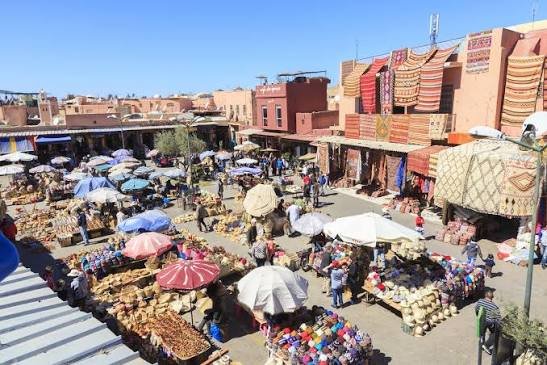
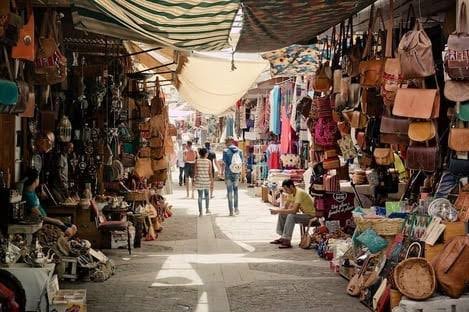
- Bargaining: expected in souks. Start well below the first price, stay friendly, and walk away if it is not right. Fixed-price shops exist too.
- Taxis: insist on the meter in a petit taxi, or agree the price before you get in.
Getting to Morocco: Airports and Arrival
Most visitors fly into Marrakech or Casablanca. Casablanca has the largest network of international and long-haul connections, while Marrakech has many direct European flights. Fes, Tangier and Agadir are useful if your route starts in the north or on the coast. Because Morocco is long, flying into one city and out of another saves a lot of backtracking.
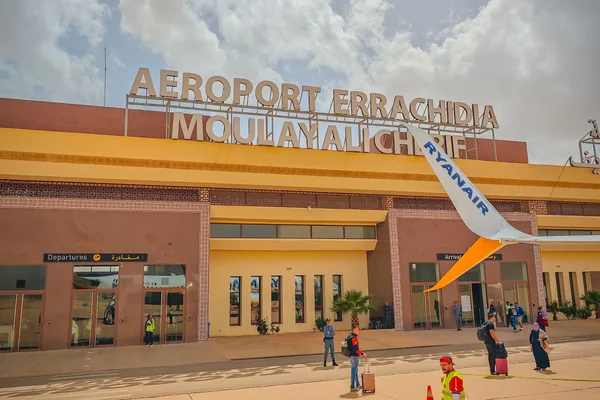
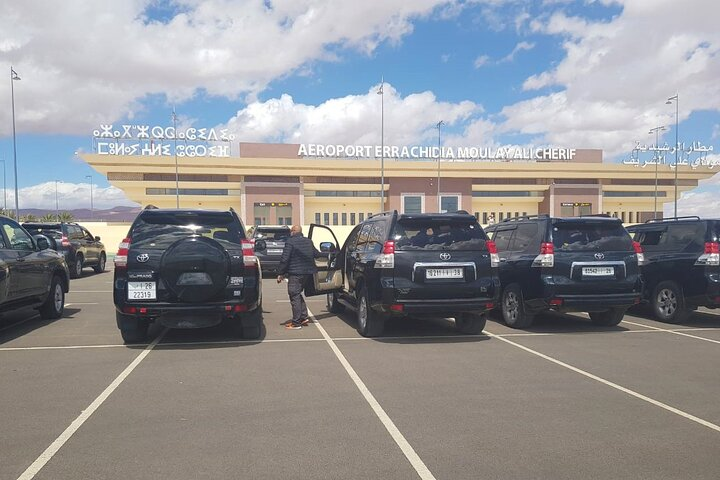
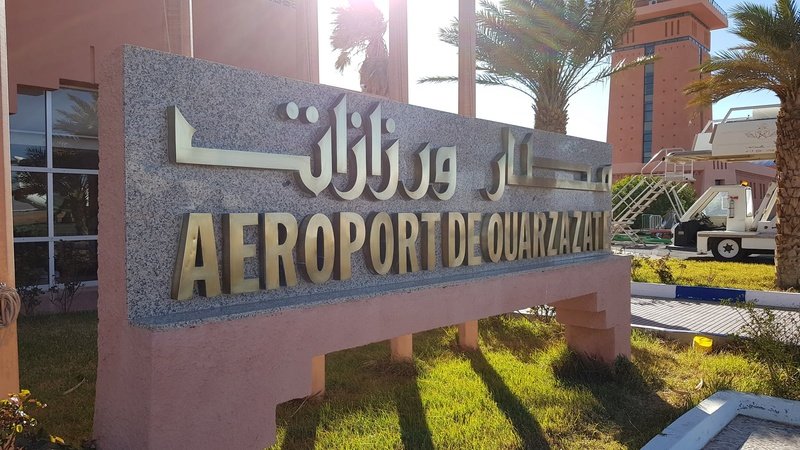
If your main goal is the Sahara, there are small regional airports at Errachidia and Ouarzazate. They are closer to the dunes than Marrakech, but flights are limited, so most travellers still reach the desert by road. Compare the options in our guides to the 3-day tour from Marrakech and what to do in Merzouga.
Getting Around Morocco
Morocco has several ways to travel between cities. The right one depends on your route, budget and how much time you have. In general, use trains in the north and along the Atlantic coast, and a private driver or organised tour for the south and the desert.
| Option | Best for | Notes |
|---|---|---|
| Trains (ONCF) | Tangier, Rabat, Casablanca, Fes, Marrakech | Comfortable and reliable; a high-speed line links Tangier and Casablanca |
| Buses (CTM, Supratours) | Longer routes and smaller towns | Cheap and decent; book popular routes ahead |
| Grand taxis | Short intercity hops | Shared, leave when full; agree the price |
| Petit taxis | Inside cities | Use the meter |
| Rental car | Flexible road trips | Mountain roads need care; see our car rental in Morocco page |
| Private driver or tour | Marrakech to the Sahara, Atlas, Dades | Stress-free, with stops and guides |
Distances are bigger than they look on a map. Marrakech to Merzouga is roughly 560 km and takes about nine hours with stops, which is why most travellers split the journey over two or three days. A private tour avoids the planning, and you can see what is included on our 4×4 trips page.
Where to Go: Imperial Cities and the North
The north of Morocco is greener, cooler and more European in feel, with historic cities and a long coast. It is the best region for culture, architecture and photography.
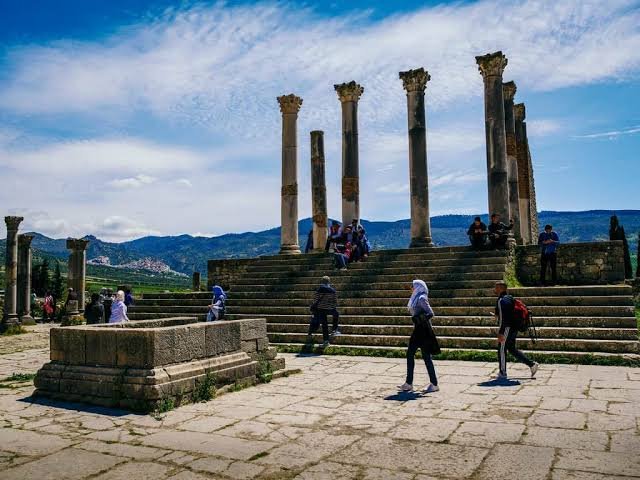
Fes and Meknes. Fes has the world’s largest car-free medina, a maze of lanes, tanneries, madrasas and workshops that rewards a local guide. Nearby Meknes is calmer, with grand gates and imperial walls, and it works as a relaxed stop on the way.


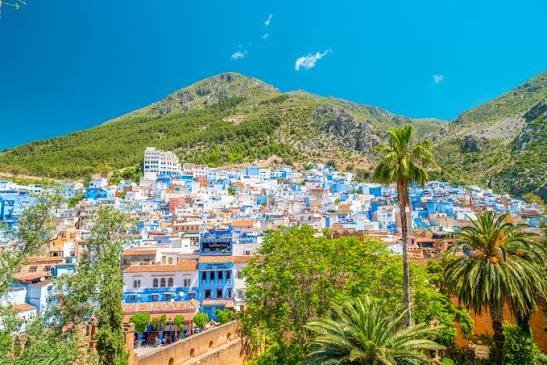
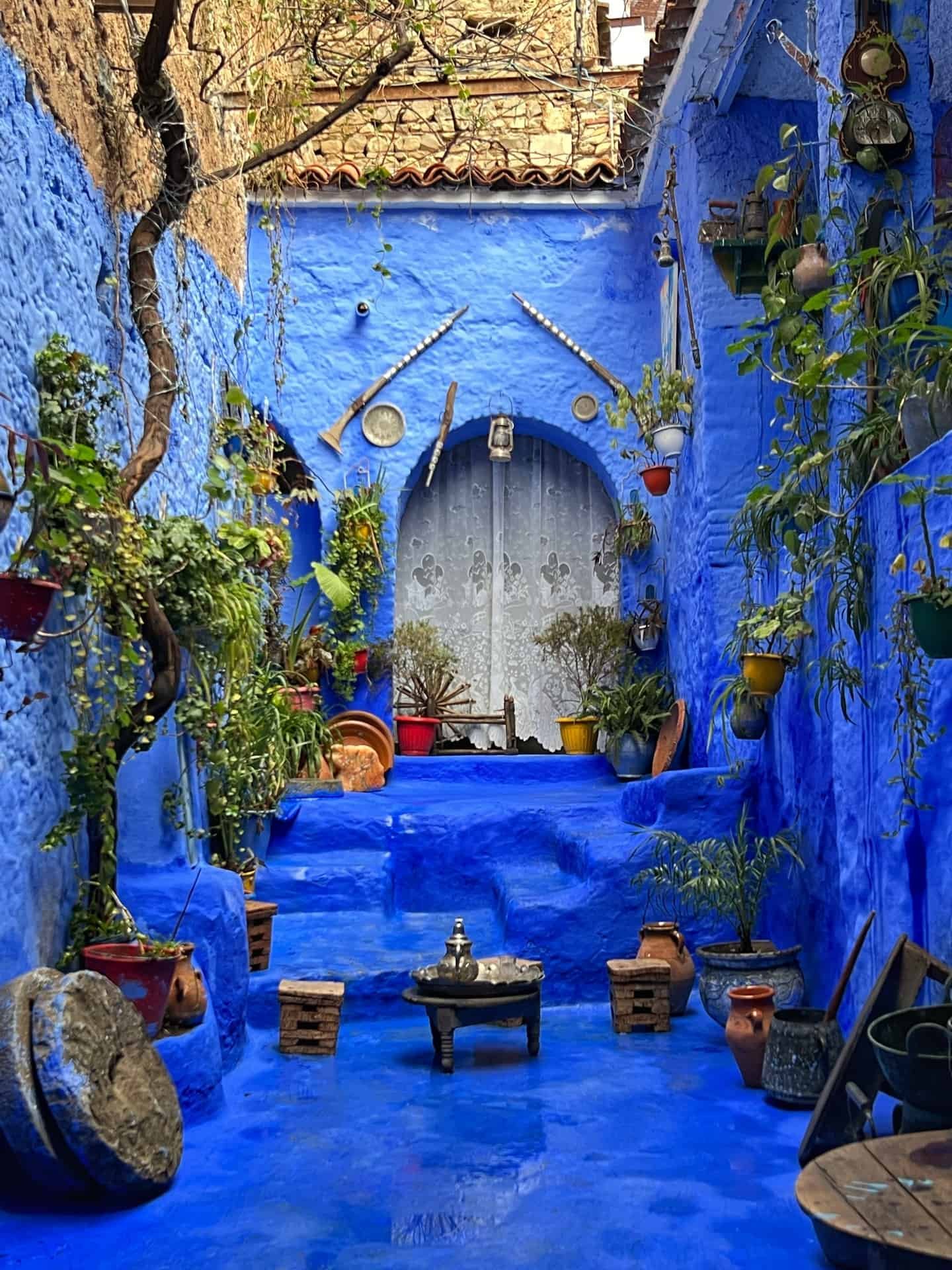
Chefchaouen. The blue town in the Rif Mountains is small, relaxed and one of the most photographed places in Morocco. Allow one night to enjoy it early and late, when day visitors are gone. Read the Chefchaouen blue city guide and the story of why Chefchaouen is blue.


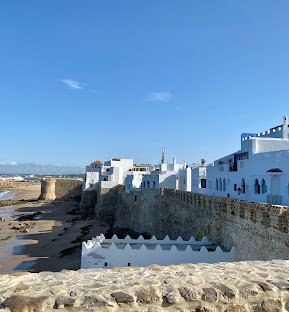
Asilah and the Atlantic coast. Asilah is a whitewashed seaside town with murals, ramparts and a slow pace. It is an easy stop between Tangier and the rest of the country, and a good place to rest after a long flight.


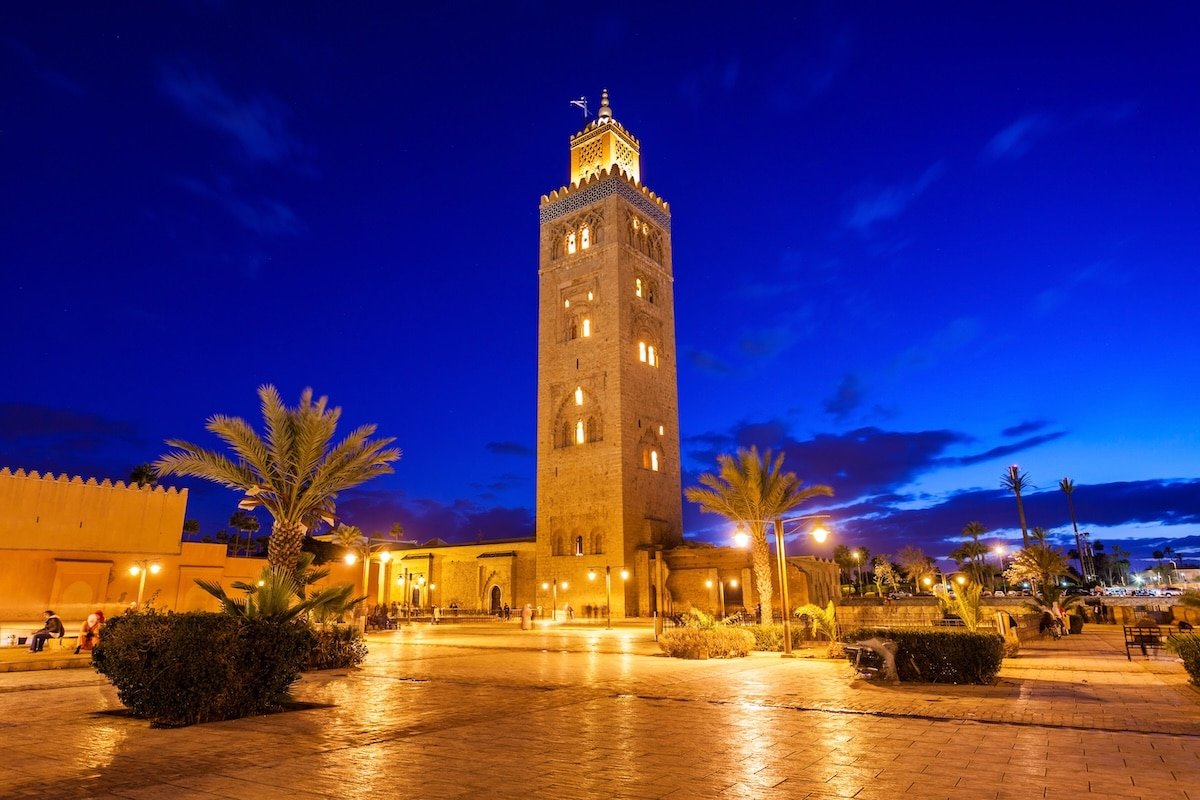
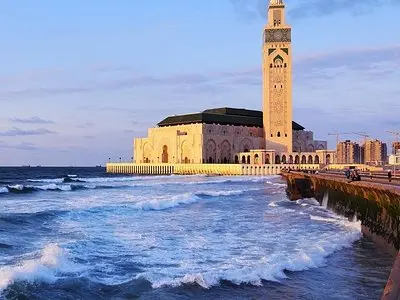
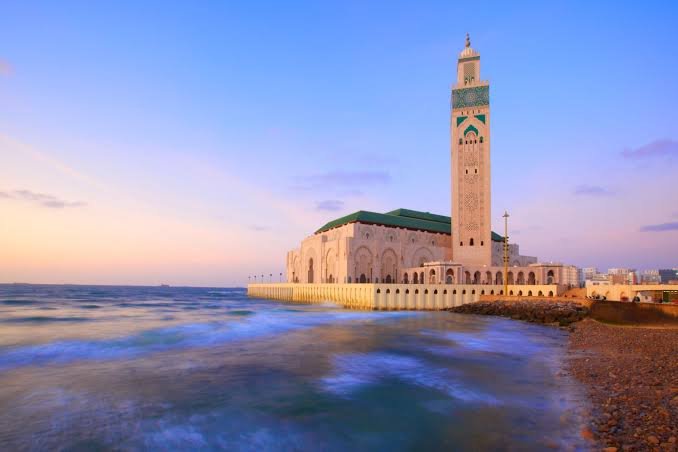
Casablanca. Morocco’s economic capital is modern and busy. Its highlight is the Hassan II Mosque on the Atlantic shore. Many travellers use Casablanca as an arrival point only, but a day here is worthwhile. See Casablanca: what to see.

Where to Go: Marrakech, Atlas and Kasbahs
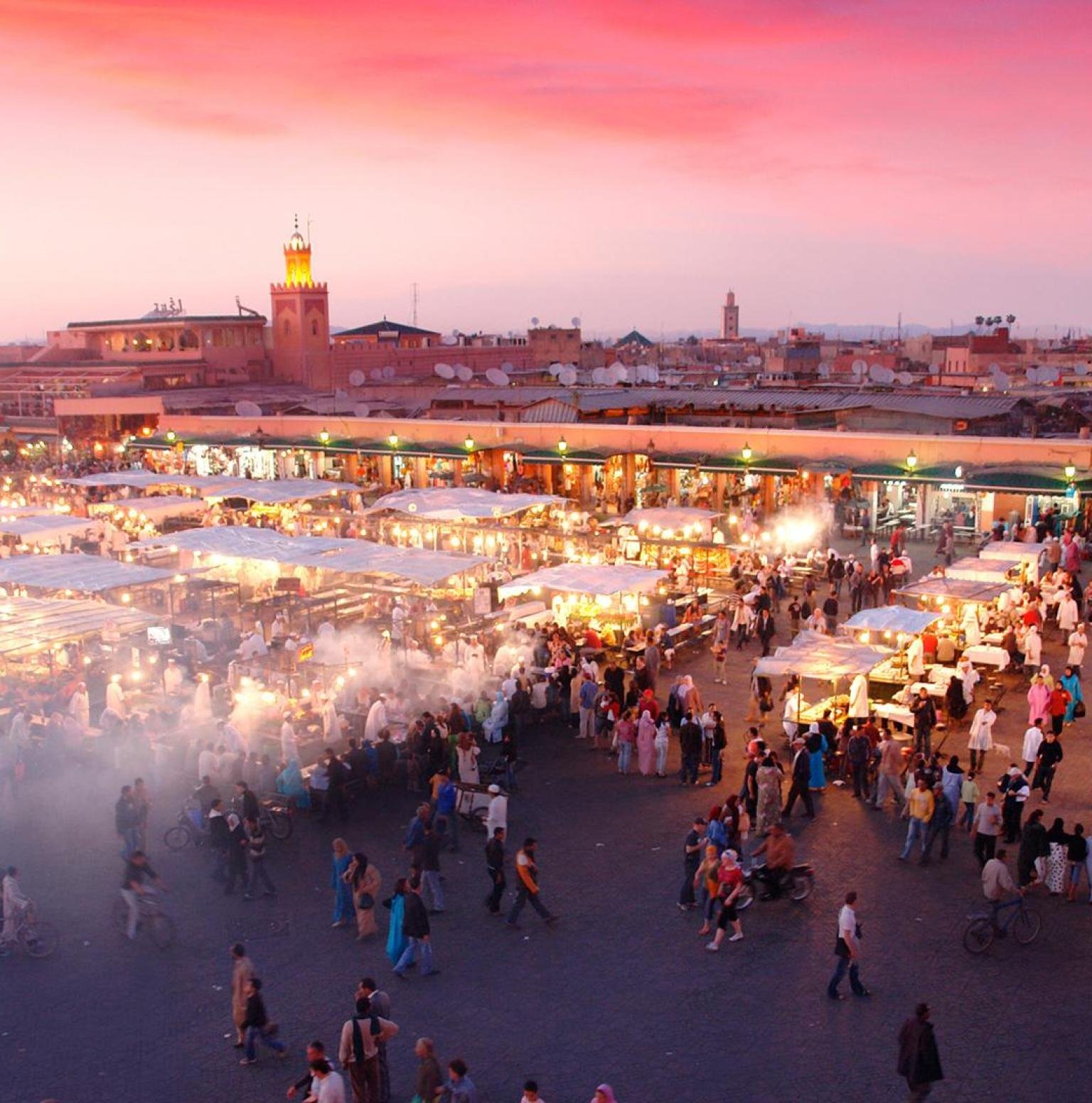
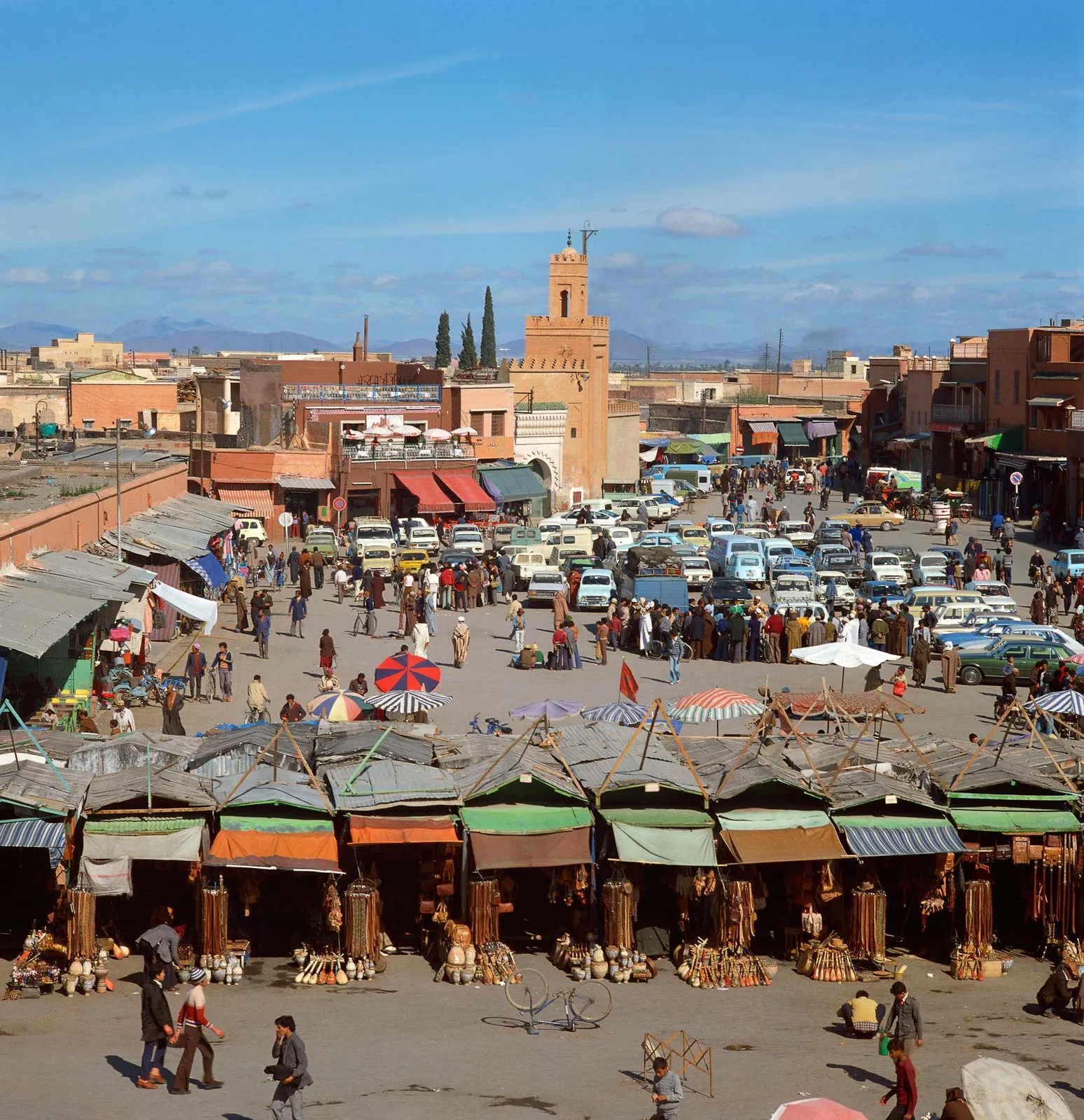
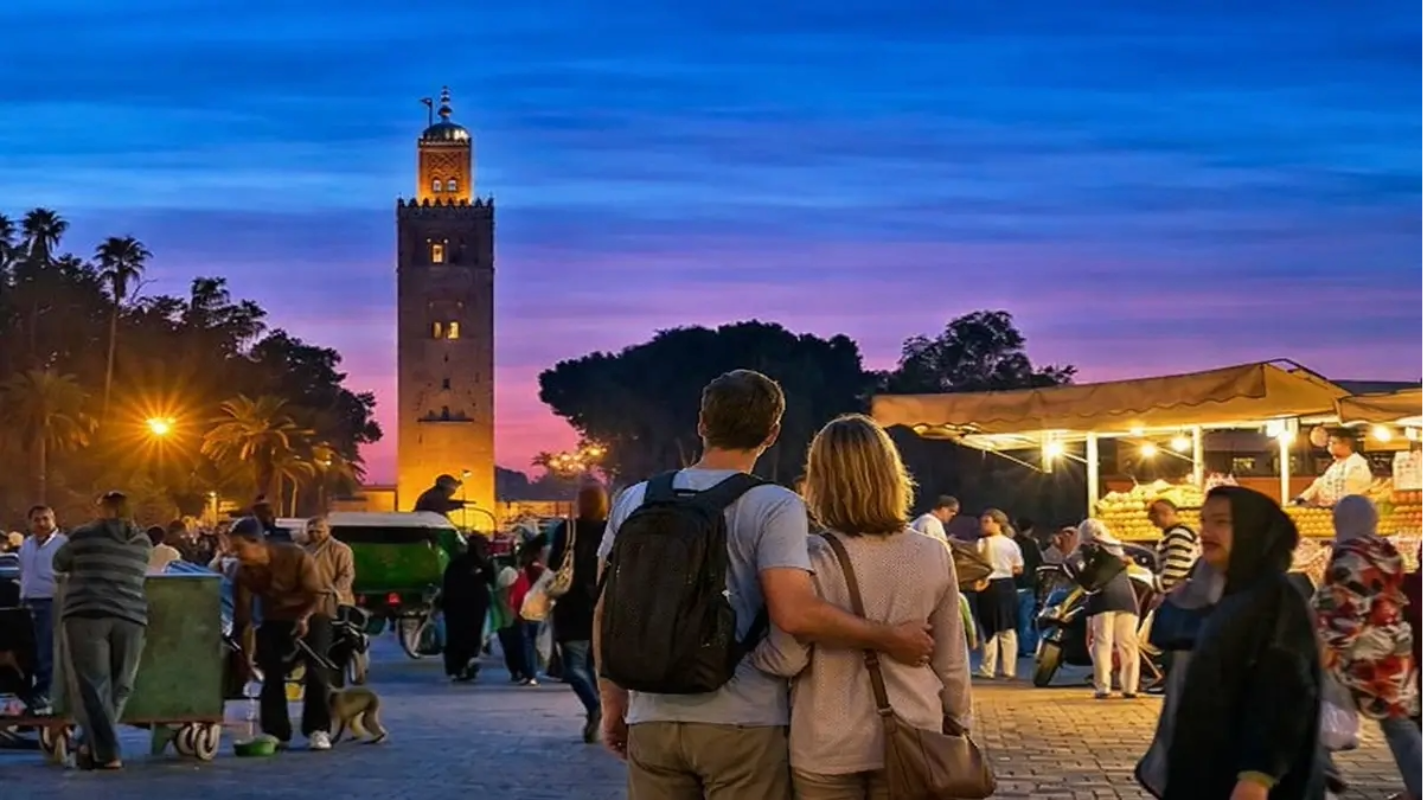
Marrakech. The Red City is the classic first stop: the Jemaa el-Fna square, the souks, gardens, palaces and riads. It is intense, so plan quiet moments in the middle of the day. Our guides to must see places in Marrakech and how many days in Marrakech help you decide how long to stay.

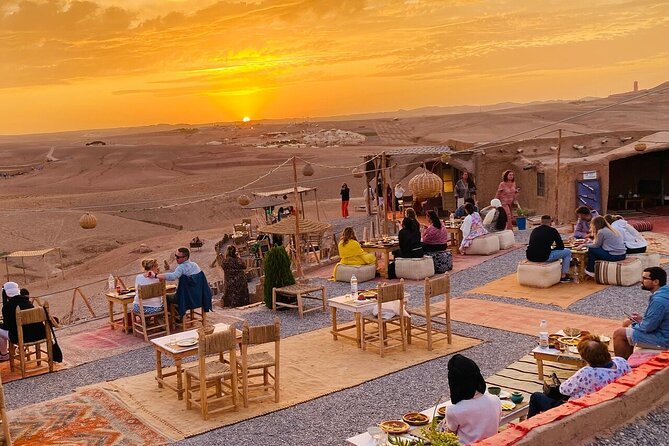
Agafay and Lalla Takerkoust. If you have only one day near Marrakech, the rocky Agafay desert and the lake at Lalla Takerkoust give you a taste of landscapes and sunsets without a long drive. They are not the Sahara, but they are easy and pleasant.

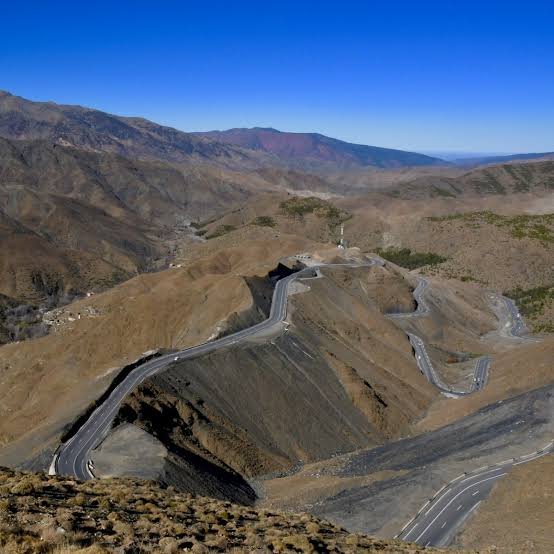
High Atlas and Ait Ben Haddou. The road from Marrakech to the desert climbs over the Tizi n’Tichka pass and reaches Ait Ben Haddou, a fortified earthen village that has appeared in many films. It is the classic first stop on the route south.


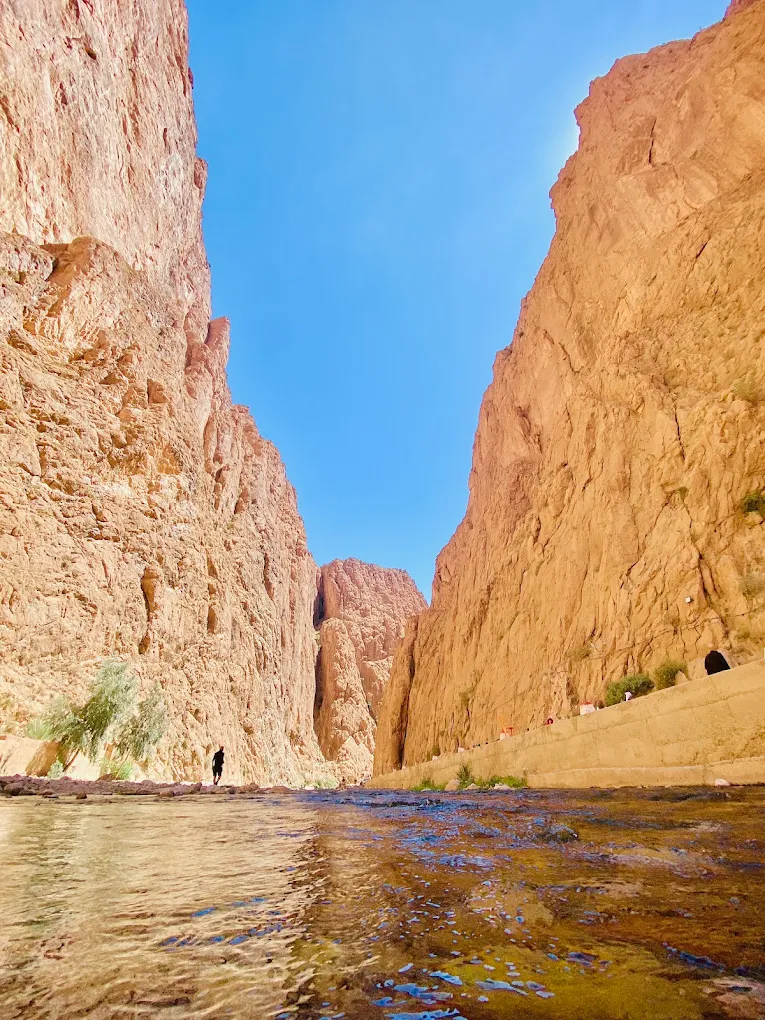
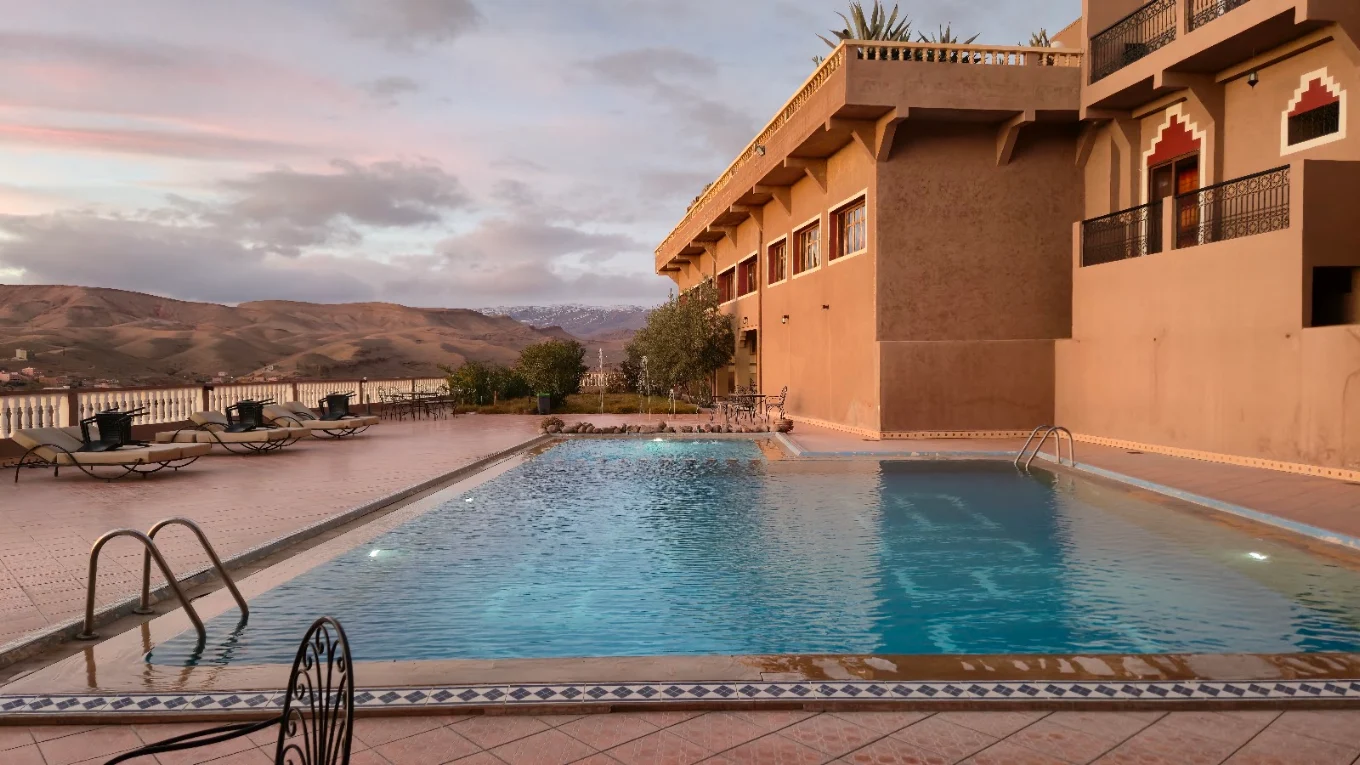
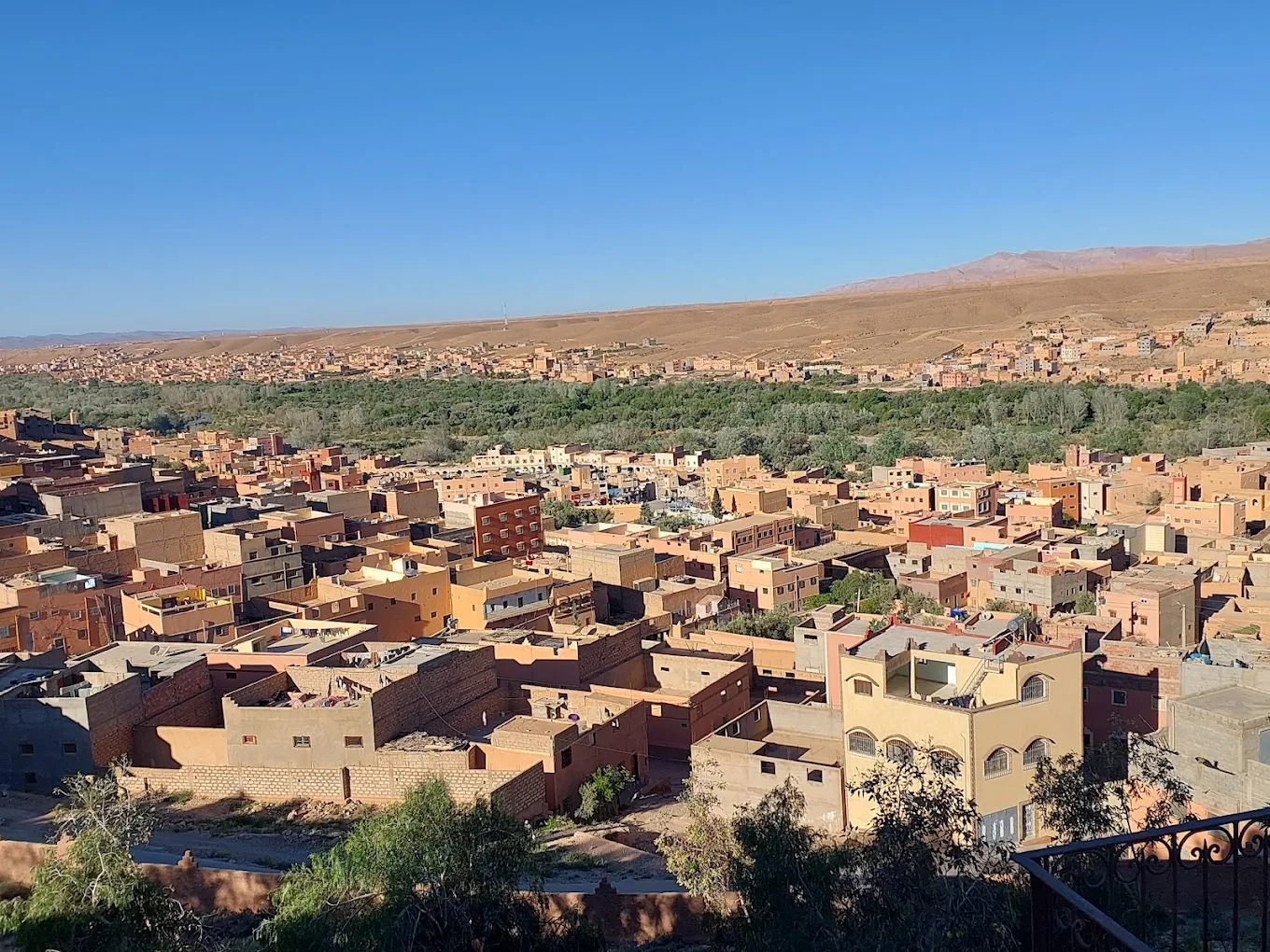
Dades Valley and Todra Gorge. Between Ouarzazate and Merzouga, the Dades Valley and the Todra Gorge offer red cliffs, palm groves and dramatic roads. They are a rewarding overnight stop and break up the long drive to the dunes.

Where to Go: The Sahara Desert
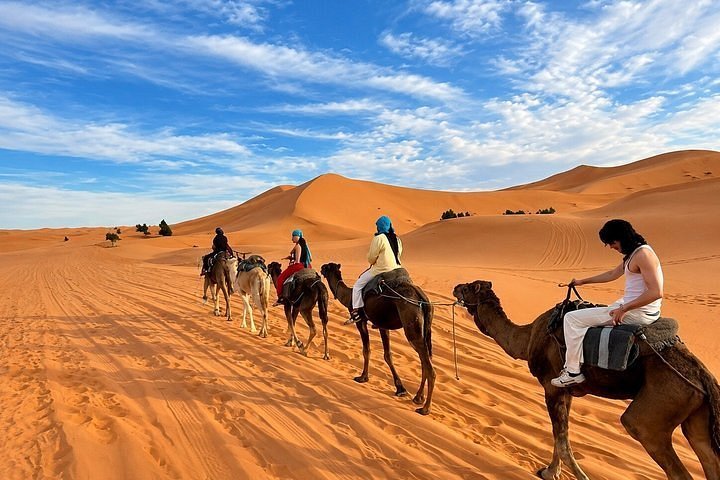
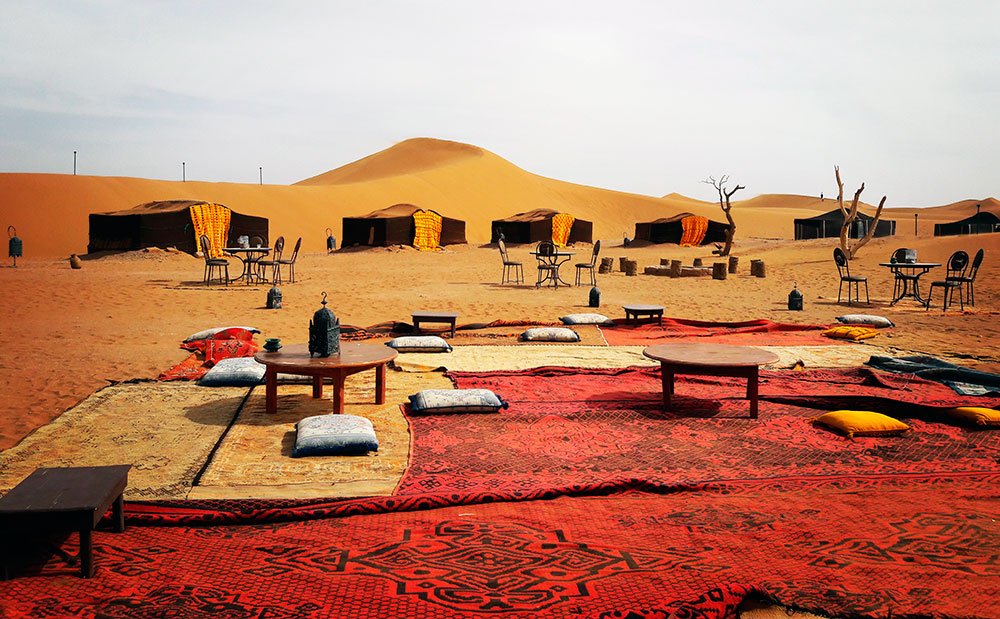
For many travellers the Sahara is the heart of the trip. The two main dune areas are Merzouga (Erg Chebbi), with the tallest and most accessible dunes, and Erg Chigaga, which is wilder and further from the road. Merzouga is the easier choice for a first visit.
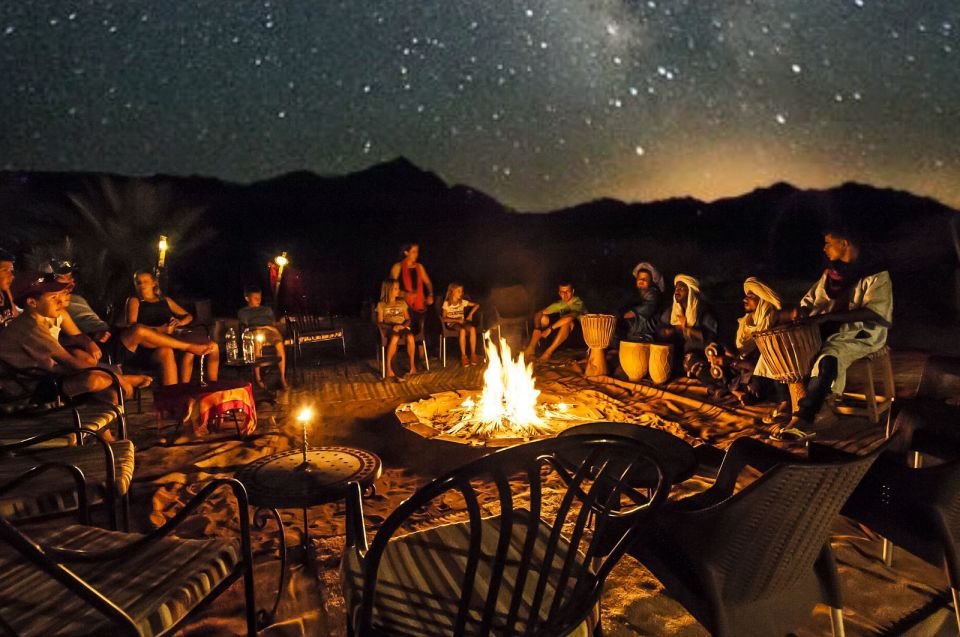
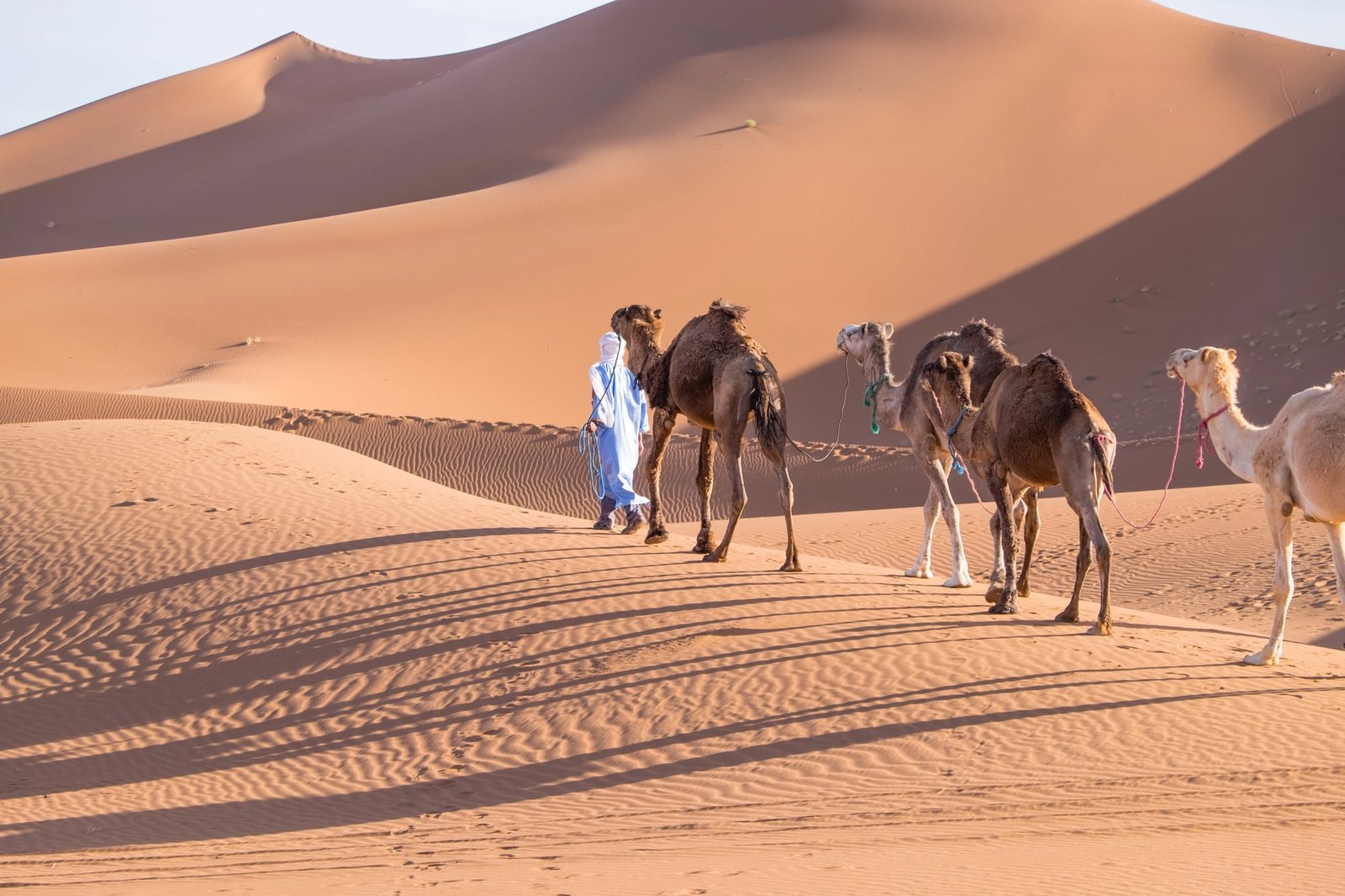
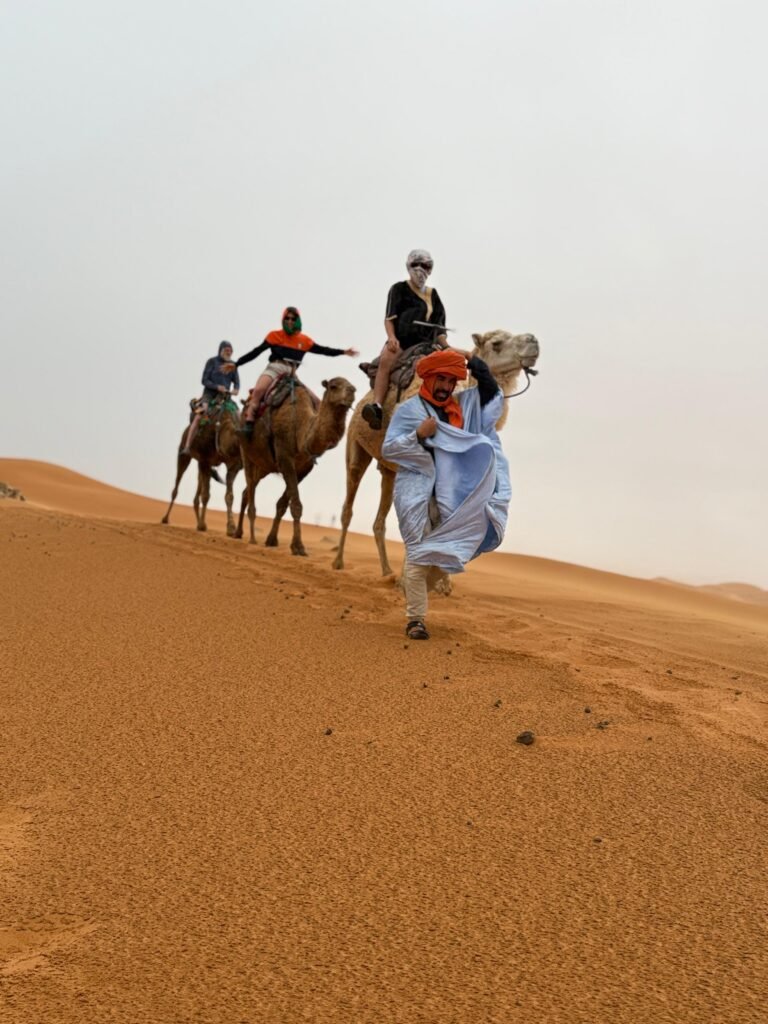
A typical experience includes a camel ride into the dunes at sunset, dinner and music at a camp, a night under the stars and sunrise in the sand the next morning. You can add a 4×4 tour, sandboarding, a visit to Khamlia village or the Rissani market. Our guide to one night in Merzouga explains the evening hour by hour, and 2 nights in Merzouga shows how to do more.


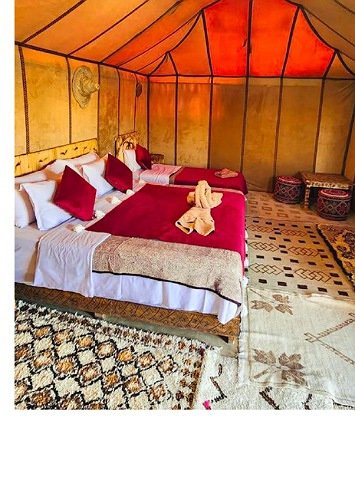
Desert camps range from simple bivouacs to luxury tents with private bathrooms and heating in winter. Choose according to comfort and budget, and ask what is included before you book. Browse the options on our desert camps page.

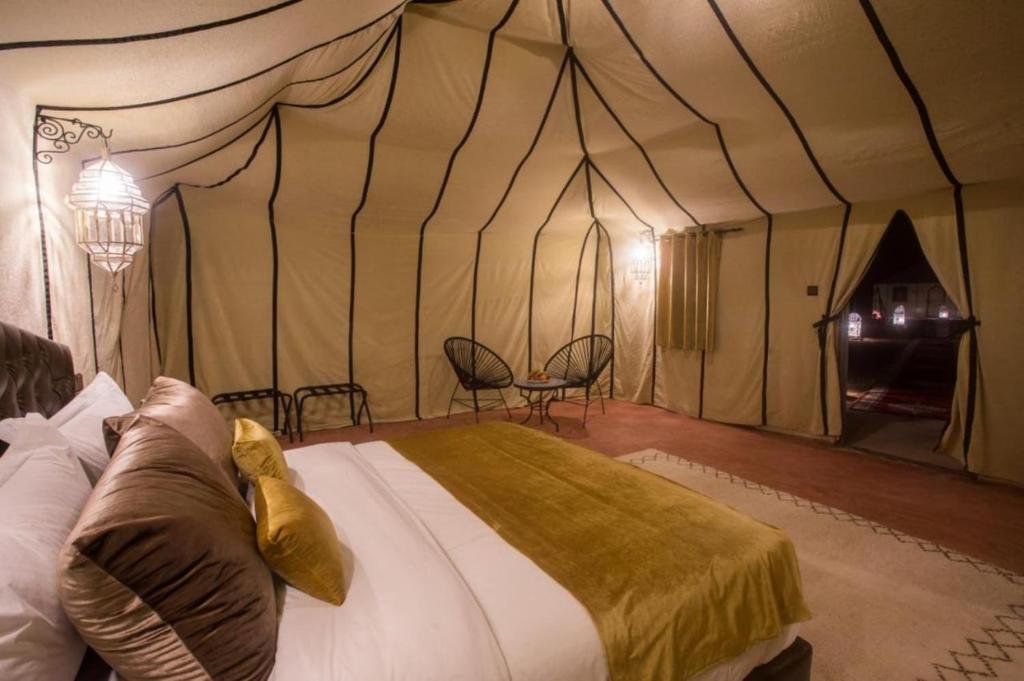
For a quieter, remoter experience, Erg Chigaga near M’Hamid has fewer visitors but needs more time and a 4×4.

How Many Days Do You Need? Sample Itineraries
Morocco rewards slower travel. A common mistake is to cram too many cities into too few days. These sample plans balance driving with time on the ground.
| Trip length | Suggested route | Style |
|---|---|---|
| 3 to 4 days | Marrakech, plus a short Agafay or Atlas excursion | City break |
| 5 days | Marrakech, Ait Ben Haddou, Merzouga, back | Quick desert trip |
| 7 days | Marrakech, Atlas, Dades, Merzouga, Fes or back to Marrakech | Classic first visit |
| 10 days | Casablanca, Chefchaouen, Fes, Merzouga, Dades, Marrakech | Imperial cities and desert |
| 14 days | Full loop with Asilah, Meknes, Chigaga and Essaouira or the coast | Relaxed grand tour |
If you have only a short time, the most popular option is a trip from Marrakech to the desert and back. See the full day-by-day plan in 3 days tour from Marrakech. If you want a longer overview of the different regions, read Morocco travel destinations.
Moroccan Food and Drink
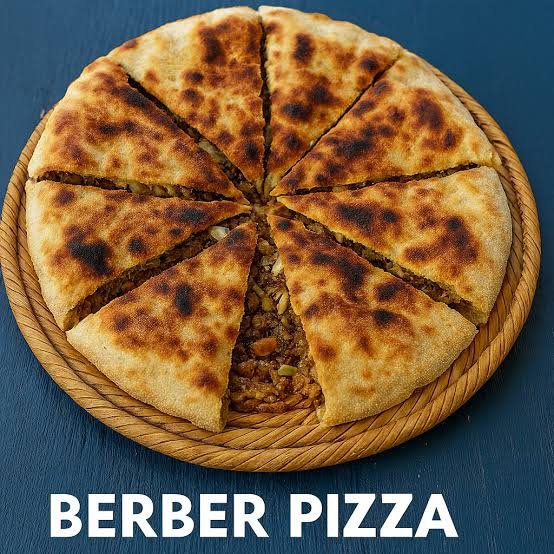
Moroccan cooking is one of the great pleasures of the trip. Expect slow-cooked tagines, couscous (traditionally on Fridays), grilled meats, fresh salads, soups such as harira, flaky pastries and sweet mint tea served with ceremony. In the desert, try the Berber pizza (madfouna), a bread filled with meat and onions and baked in the sand.
- Tagine: a stew of meat, chicken or vegetables cooked in a clay pot with spices, olives or preserved lemon.
- Couscous: steamed semolina with vegetables and meat, usually a Friday meal.
- Harira: a tomato and lentil soup, especially popular during Ramadan.
- Mint tea: sweet green tea, offered as a sign of welcome. It is polite to accept at least one glass.
- Street food: choose busy stalls with a high turnover, and drink bottled water.
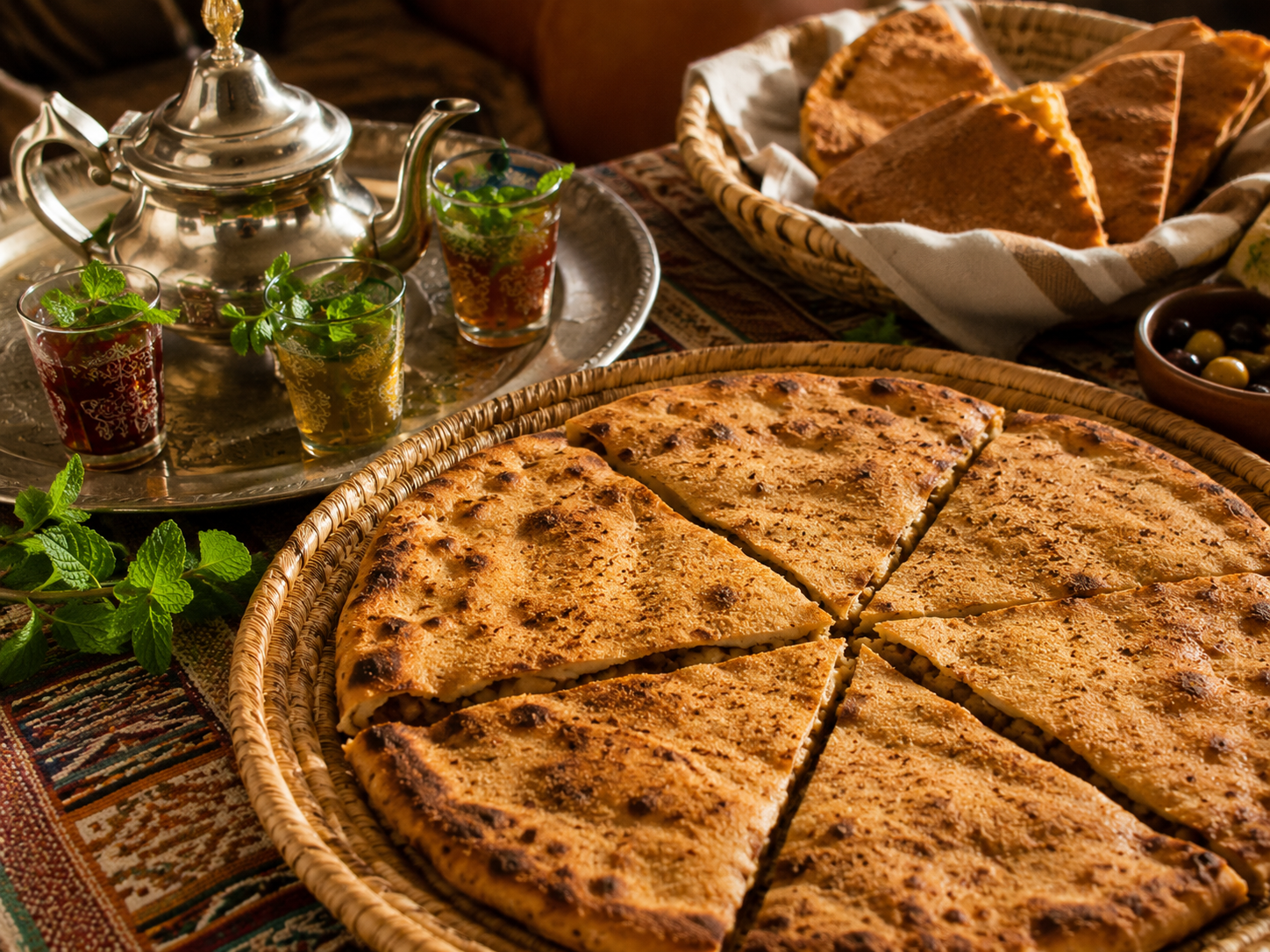

Alcohol is available in licensed hotels, some restaurants and bars, but not widely sold in shops, and it is less visible than in Europe. Tap water is not recommended for visitors, so drink bottled or filtered water and be careful with ice.
Culture, Etiquette and Dress
Morocco is a Muslim country with a warm, tolerant tradition of welcoming visitors. A little awareness goes a long way and is always appreciated.
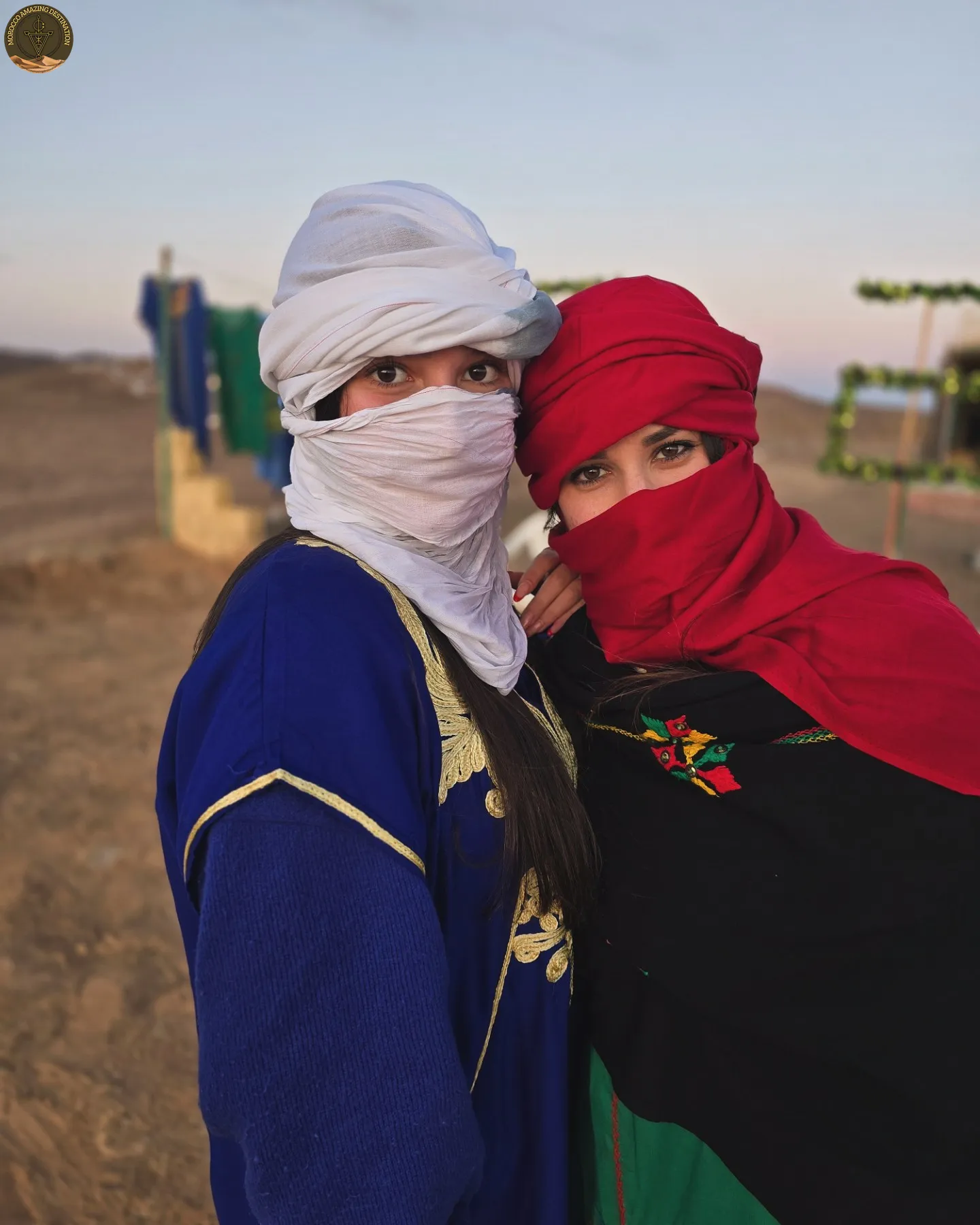
- Dress modestly in towns: shoulders and knees covered is a comfortable rule for both men and women. Beachwear is for beaches and resort pools.
- Greetings matter: a friendly salaam and a few words of Arabic or French open many doors.
- Use your right hand: for eating, handing over money and accepting tea.
- Ask before photographing people: and respect a refusal. See our Morocco photo gallery for ideas on what to shoot.
- Public affection: keep it low-key, particularly outside the big tourist cities.
- Mosques: most are closed to non-Muslims, with a few exceptions such as the Hassan II Mosque in Casablanca, which offers guided visits.

Language and Useful Phrases
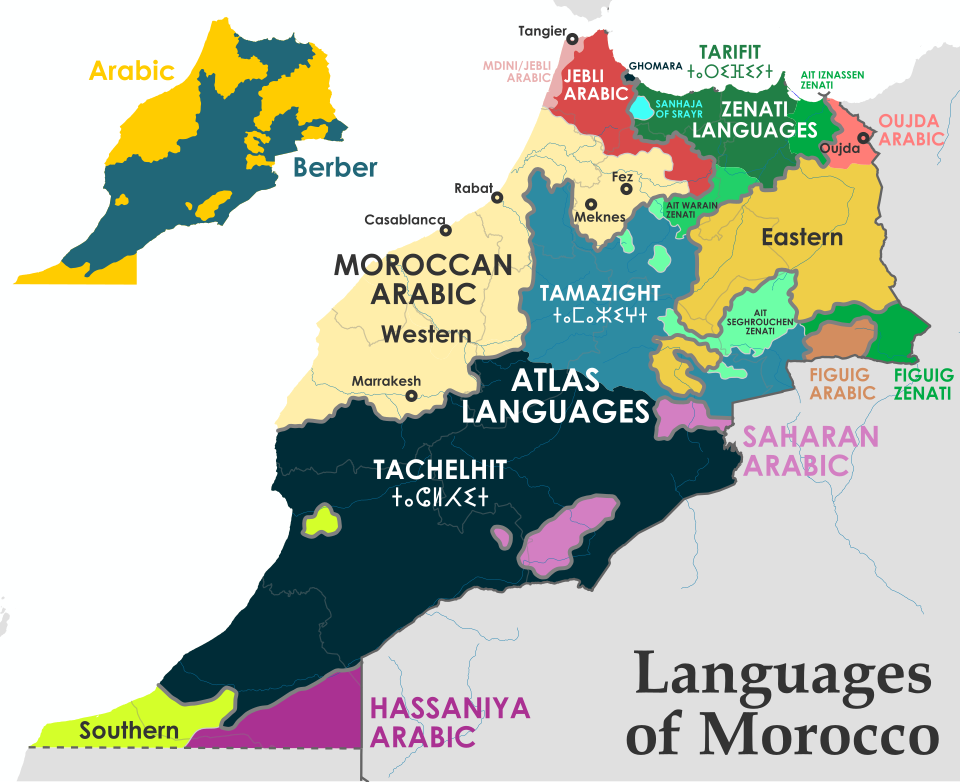
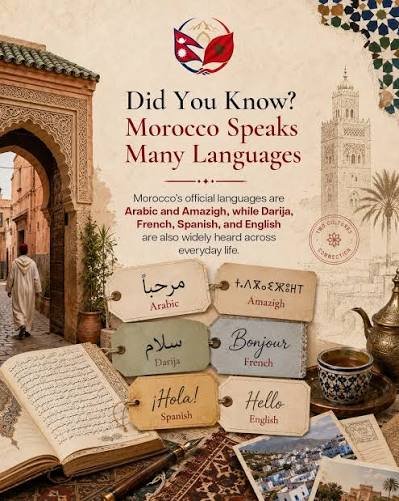
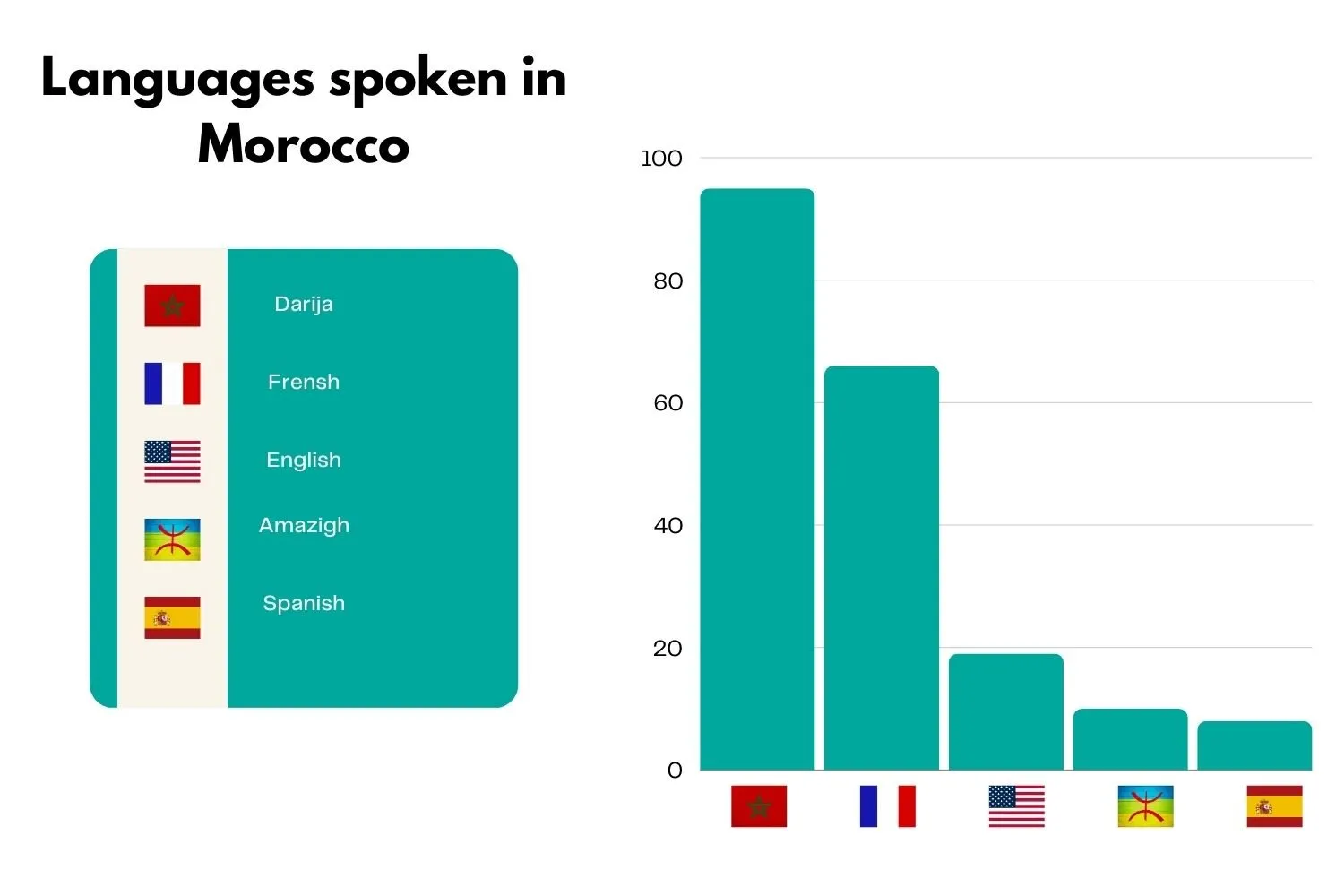
Arabic and Amazigh are the official languages. In everyday life most people speak Darija, the Moroccan Arabic dialect, and many also speak an Amazigh language such as Tashelhit, Tamazight or Tarifit. French is common in business and signs, and English is increasingly spoken in tourist areas, especially by younger people and guides.
| English | Darija (Latin letters) |
|---|---|
| Hello (peace be with you) | Salaam alaykum |
| Thank you | Shukran |
| Yes / No | Iyeh / La |
| How much is this? | Bsh-hal hada? |
| Too expensive | Ghali bzaf |
| No, thank you | La, shukran |
| Please | Afak |
| Goodbye | Bslama |
Is Morocco Safe?
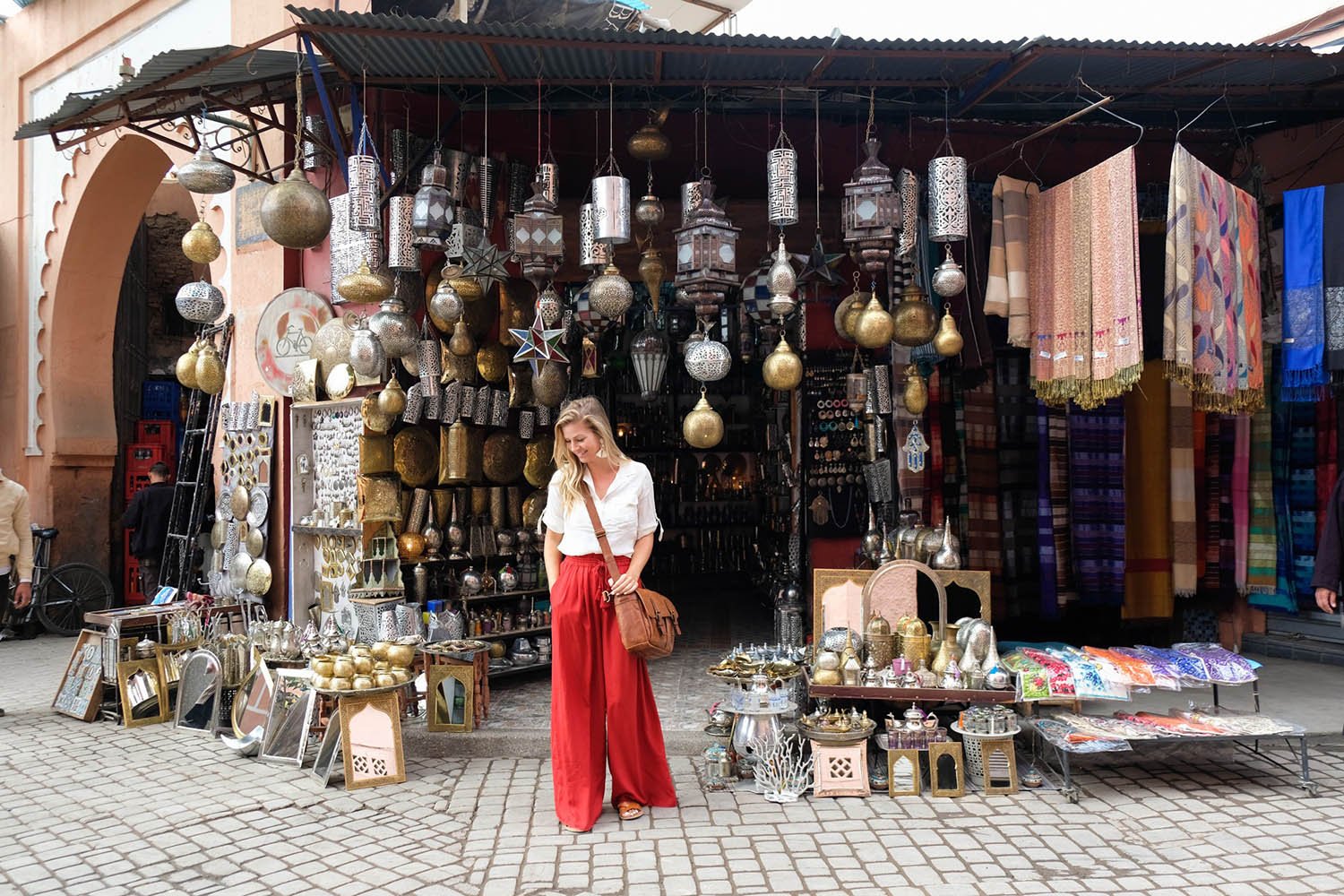
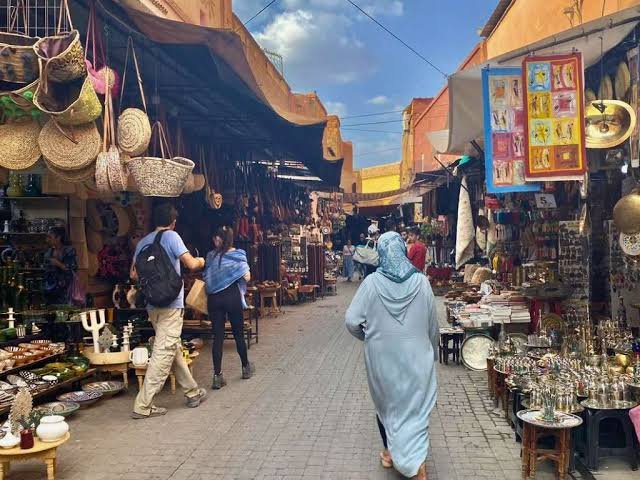
Most visitors have trouble-free trips. Violent crime against tourists is uncommon, and the main issues are petty ones: pickpocketing in crowds, overly persistent sellers, unofficial guides and overcharging. Solo women travellers generally report a positive experience, though they may get more attention in some places and are wise to dress modestly and trust their instincts.
- Keep valuables in a front pocket or hidden bag in busy souks and squares.
- Politely refuse unrequested guides, and agree prices before any service.
- Book desert tours and transport through a transparent, well-reviewed provider.
- Check your government’s current travel advice before departure.
We cover this topic in detail in Morocco travel safety: is Morocco safe to visit?
Morocco Travel Budget
Morocco can suit very different budgets. The table gives a rough idea of daily costs per person, excluding international flights. Prices change with season, city and how you travel, so treat them as a starting point and confirm current rates.
| Style | Accommodation | Food and transport | Typical feel |
|---|---|---|---|
| Budget | Hostels, simple guesthouses | Street food, buses, shared taxis | Basic but authentic |
| Mid-range | Riads, three-star hotels, standard desert camps | Restaurants, trains, some private transport | Comfortable and flexible |
| Comfort and luxury | Boutique riads, luxury desert camps | Private driver, guided tours | Easy and high-end |
The biggest costs are usually accommodation, private transport and desert tours. You can save money by travelling in shoulder seasons, eating where locals eat and using trains between northern cities. A private tour can cost more than doing it yourself, but often saves time and avoids hidden extras.
What to Pack for Morocco
- Light, loose clothing: breathable layers that cover shoulders and knees.
- Warm layer: for cold evenings in the desert and mountains, even in spring and autumn.
- Comfortable shoes: for cobbled medinas, and closed shoes for dune walks.
- Sun protection: a hat, sunglasses and high-factor sunscreen.
- Scarf: useful against sun, dust and wind, and for covering up when needed.
- Power bank and adapter: European two-pin plugs; camps may have limited charging.
- Basic medicines: rehydration salts, stomach remedies, plasters and any personal prescriptions.
- Small cash and a copy of documents: keep copies separate from the originals.
Common Mistakes to Avoid
- Trying to see everything: Morocco is bigger than it looks, so fewer stops makes a better trip.
- Doing the desert in one rushed day: allow at least one night in the dunes to enjoy sunset and sunrise.
- Not agreeing prices first: settle taxi, guide and tour prices before you start.
- Booking only by the cheapest price: check what is included, such as meals, camp type and transport.
- Ignoring the weather: desert nights and mountain passes can be cold, and summer heat is intense.
- Skipping a local guide in big medinas: a licensed guide in Fes or Marrakech saves time and stress.
Morocco Travel Guide: Frequently Asked Questions
How many days do I need in Morocco?
Seven to ten days is ideal for a first visit. It lets you combine Marrakech, the Atlas, a night in the Sahara and one more city without rushing. With four or five days, focus on Marrakech and the desert.
What is the best month to visit Morocco?
April, May, October and early November are usually the most comfortable. Choose the Atlantic coast in summer and Marrakech or the south in winter.
Do I need a visa for Morocco?
Many nationalities can visit visa-free for up to 90 days, but it depends on your passport. Check the latest rules with official sources before booking.
Is Morocco expensive?
It can be very affordable, especially for food, local transport and mid-range riads. Costs rise with luxury camps, private drivers and high-season travel.
Can I drink tap water in Morocco?
It is better to stick to bottled or filtered water, and to be careful with ice and raw salads in very informal places.
Do people speak English in Morocco?
In hotels, tour companies and tourist areas, yes. Elsewhere French or Arabic is more common, and a few phrases help a lot.
Is Morocco safe for solo female travellers?
Many solo women travel Morocco happily. Dress modestly, avoid walking alone late at night in quiet streets, use trusted accommodation and consider a guide or small group for the desert.
Is a night in the Sahara worth it?
For most travellers it is the highlight of the trip. The quiet, the stars and sunrise on the dunes are hard to find elsewhere. Read about it in our one night in Merzouga guide.
Plan Your Morocco Trip With Us
A good plan makes Morocco simple. Tell us your dates, how many people are travelling and the style of trip you want, and we will suggest a realistic route, the right desert camp and the best way to get there.
Message us on WhatsApp at +212 620 628 083, see how to book a Merzouga tour, or use the contact page. For official tourism information you can also visit Visit Morocco.