Morocco Mediterranean Coast: Best Towns, Beaches, Routes and Travel Tips

Most visitors picture the desert, the souks of Marrakech or the blue lanes of Chefchaouen. Far fewer think about the Morocco Mediterranean coast, yet it is one of the most rewarding parts of the country. It is green, mountainous and breezy, with whitewashed towns, long sandy beaches, fresh seafood and views across the water to Spain.
This guide explains how the Morocco Mediterranean coast works as a destination. You will see where it starts and ends, which towns are worth your time, which beaches are best, how to travel along it by road or ferry, what to eat, when to go and how to combine it with the rest of the country. If you are still working out the geography, read where is Morocco first.
The Morocco Mediterranean side is also the easiest part of Africa to reach from Europe. Ferries cross the Strait of Gibraltar in about an hour, which makes it a natural start for a longer route that ends in the south. When you are ready to plan the whole country, our Morocco travel guide covers visas, money and seasons in detail.
Table of Contents
Morocco Mediterranean at a Glance
Here is the Morocco Mediterranean coast in one table. Figures are rounded and meant as a planning guide.
| Question | Answer |
|---|---|
| Where is it? | Northern Morocco, facing Spain across the Mediterranean Sea |
| Length of the coast | Roughly 500 km, from the Strait of Gibraltar to the Algerian border |
| Main towns | Tangier, Tetouan, Martil, M’diq, Al Hoceima, Nador, Saidia |
| Inland highlight | Chefchaouen in the Rif Mountains |
| Landscape | Green mountains, cliffs, lagoons and long sandy beaches |
| Main gateway | Tangier, by air, ferry or fast train |
| Best months | May to June and September to October for comfort; July and August for swimming |
| Typical stay | 3 to 7 days on its own, or 2 to 3 days as part of a longer route |
Where the Morocco Mediterranean Coast Begins and Ends
The Morocco Mediterranean coast starts near Tangier, where the Atlantic Ocean meets the Mediterranean at the Strait of Gibraltar. From there it runs east for about 500 km along the Rif Mountains until it reaches the border with Algeria near Saidia. Along the way it passes small beach resorts, fishing ports, lagoons and long stretches of quiet shoreline.
Two Spanish cities, Ceuta and Melilla, sit on the Morocco Mediterranean shoreline as enclaves. They are not part of Morocco, but travellers sometimes cross there. Most visitors simply treat the Moroccan towns on either side as the route.
The Morocco Mediterranean coast differs from the rest of the country in its climate and look. It is greener and more humid than the interior, with pine and cork-oak forest on the hills and a softer light. The culture is also shaped by centuries of contact with Andalusia, so you will see Spanish-style architecture, hear Spanish spoken, and find Andalusian music and food. For the wider picture of how the regions fit together, see our Morocco travel destinations article.
Tangier: The Gateway to Morocco Mediterranean
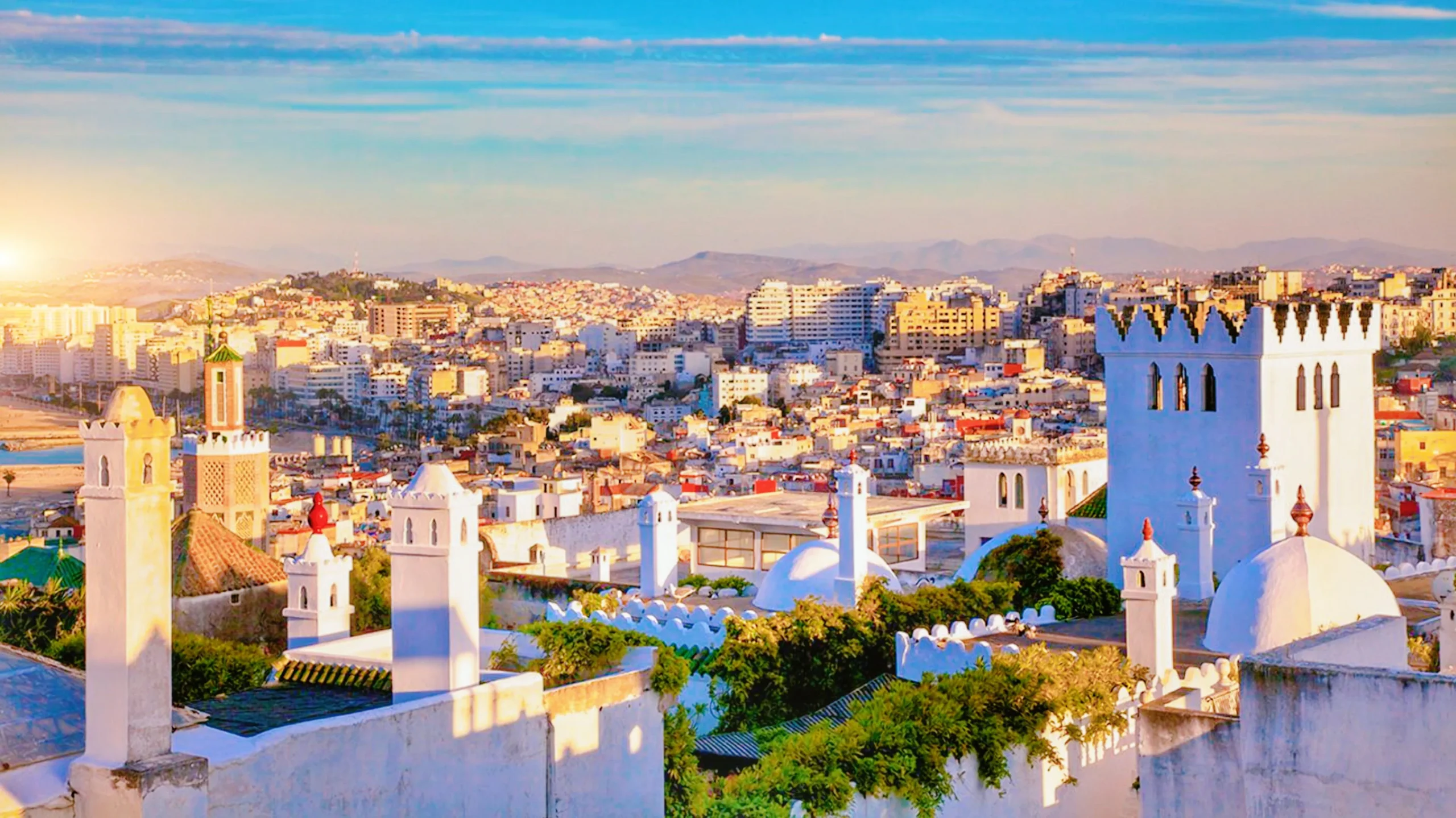
Tangier is where most Morocco Mediterranean trips begin. It is a port city with a long history as an international crossroads, and it has reinvented itself in recent years with a renovated seafront, a modern marina and a lively cafe scene. The medina and kasbah sit on a hill above the harbour, with narrow lanes, small museums and terraces that look out toward Spain on a clear day.
Good things to do in Tangier include walking the medina and Kasbah Museum, drinking mint tea at a terrace cafe, visiting the Caves of Hercules and Cap Spartel on the Atlantic side, and eating fish at the port. Our Tangier Morocco things to do guide has a full list with timings.
One reason Tangier suits the Morocco Mediterranean route is how well connected it is. Fast trains run south to Rabat and Casablanca, the airport has many European flights, and the nearby Tanger Med port handles large ferries from Spain. You can reach almost any other point on the northern coast by road in a few hours.

Tetouan, Martil and the Coast Road
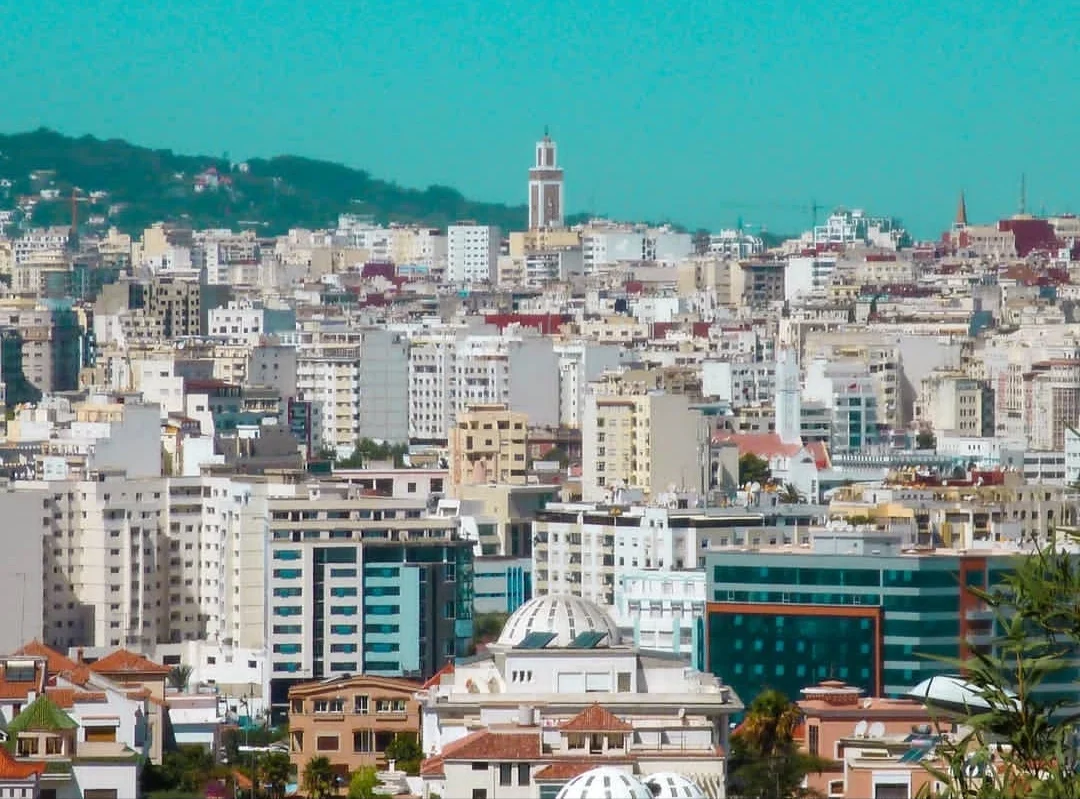
East of Tangier the Morocco Mediterranean coast road passes a string of beach towns. Fnideq and M’diq are busy summer resorts with promenades, cafes and fish restaurants. Cabo Negro has a rocky headland and upmarket villas. Martil, close to Tetouan, has a wide sandy beach and a lively boardwalk that fills with Moroccan families in July and August.
Tetouan, a short drive inland, is one of the most authentic cities on the Morocco Mediterranean side. Its white medina is a UNESCO World Heritage Site, shaped by Andalusian refugees who settled there after leaving Spain. The lanes are less touristy than in Fes or Marrakech, and the craft workshops, markets and small museums feel local. It is a good place to see how Spanish and Moroccan influences blended.
- Fnideq and M’diq: lively resorts, cafes and seafood, busiest in summer.
- Cabo Negro: a rocky cape with quiet coves and views.
- Martil: a long beach and promenade next to Tetouan.
- Tetouan medina: a UNESCO-listed old town with Andalusian roots.
- Oued Laou: a quiet village and river mouth further east, popular for a calmer stay.


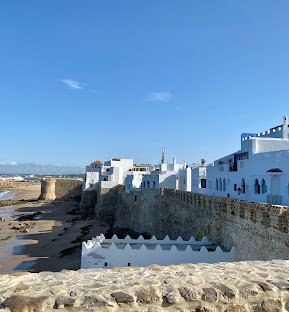
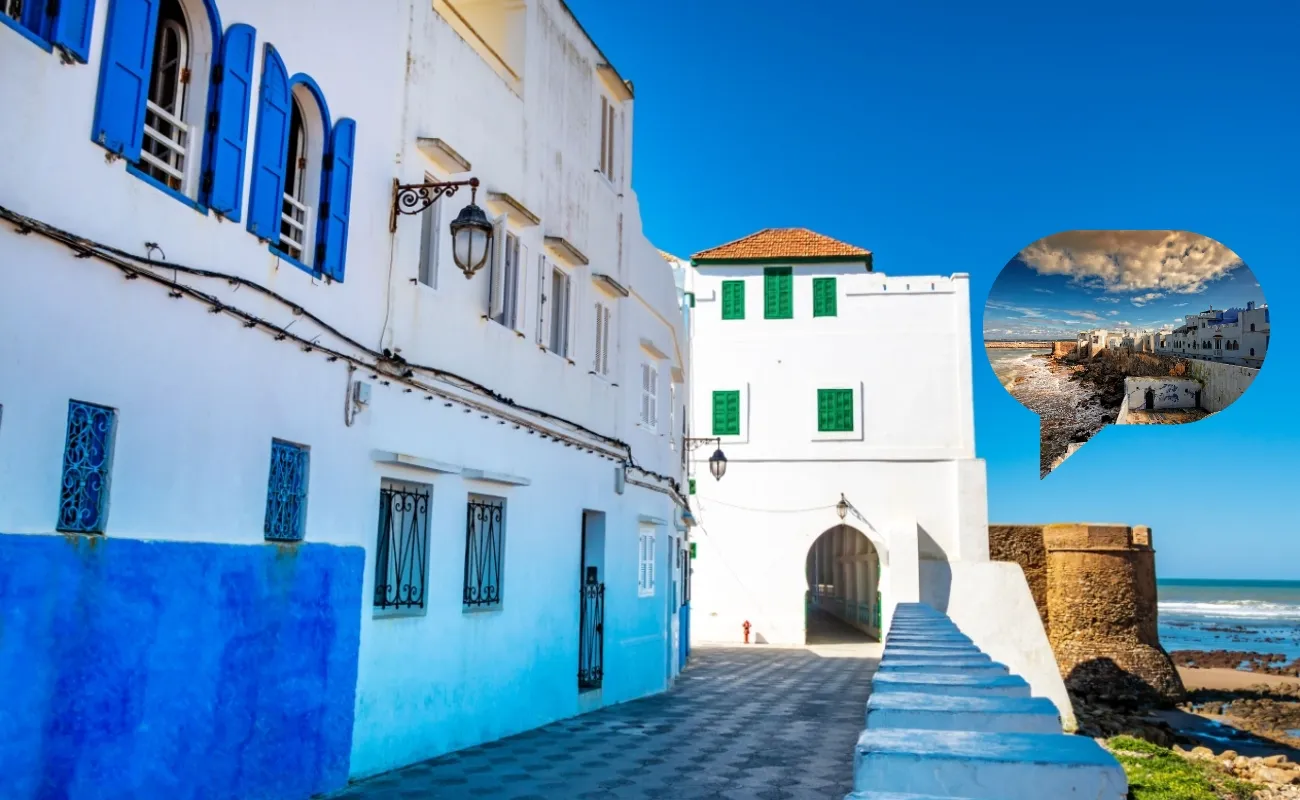
Strictly speaking, Asilah sits on the Atlantic side of Tangier, but many travellers add it to a Morocco Mediterranean trip because it is so close. Read what to see in Asilah for a short, charming stop on the road south.
Chefchaouen and the Rif Mountains
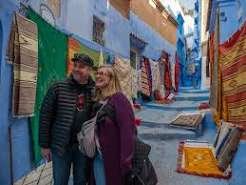
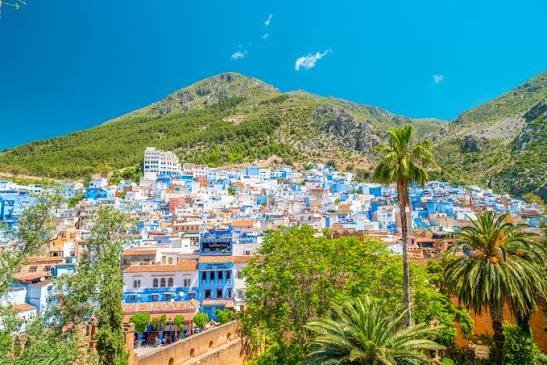
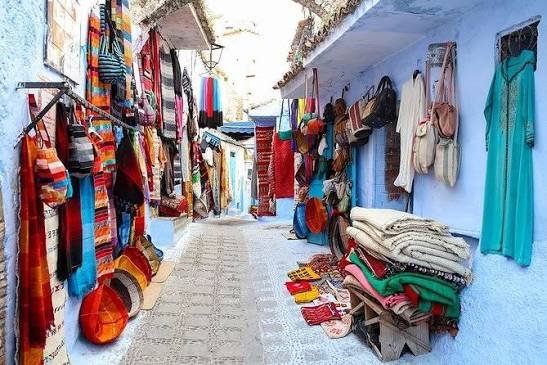
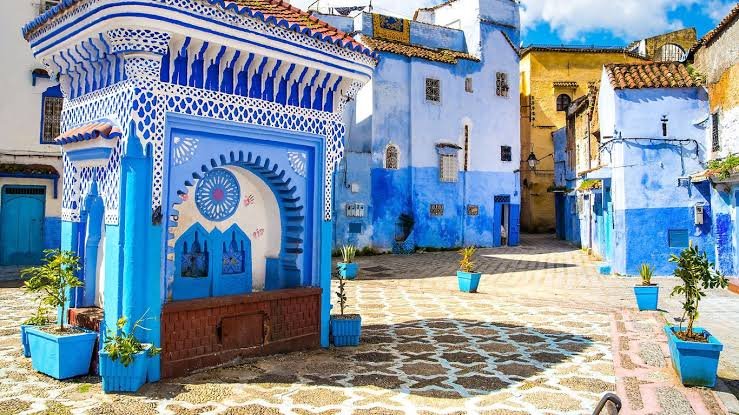
No Morocco Mediterranean trip feels complete without Chefchaouen. It is not on the sea, but it sits in the Rif Mountains less than two hours from the coast, and it is the most famous town in northern Morocco. Its blue-washed lanes, mountain air and relaxed pace make it a favourite for photographers and slow travellers alike.
Many visitors combine the beach with the mountains: a few days by the water in Martil or M’diq, then a night or two in Chefchaouen. Read our guide to Chefchaouen, the blue city and the story of why Chefchaouen is blue to plan your visit. The town is cooler than the coast, especially in the evening, so bring a jumper outside summer.

Al Hoceima and the Wild Eastern Coast
Further east, the Morocco Mediterranean coast becomes wilder. Al Hoceima is the main town of the central Rif, set around a bay with cliffs, small coves and clear water. Its national park protects one of the last stretches of undeveloped Mediterranean shoreline in North Africa, with rocky headlands, sea caves and quiet beaches that are easiest to reach by boat or on foot.
This part of the Morocco Mediterranean is for travellers who like space and scenery more than nightlife. Roads are slower and services are simpler, but the reward is a coast that feels very different from the busy resorts near Tangier. Plan extra driving time, because distances between towns are longer than they look on the map.
Saidia and Nador: The Far East
At the eastern end of the Morocco Mediterranean coast, Saidia is a modern resort with a long, shallow, sandy beach, a marina and hotels. It is popular with Moroccan families and with visitors from Algeria’s border region in summer, and it has some of the warmest, calmest water on the coast.
Nador is a larger city next to the Mar Chica lagoon, a big sheltered body of water separated from the sea by a thin sand bar. It is a base for birdwatching and for watersports, though it sees far fewer foreign visitors than Tangier or Chefchaouen. Both Saidia and Nador are best for people who want a beach holiday without the crowds of the western resorts.
Best Beaches on the Morocco Mediterranean Coast
Beaches are a big reason to visit the Morocco Mediterranean side. The water is calmer and warmer than on the Atlantic coast, which makes it better for families and casual swimmers. Here are some of the best.
| Beach area | Best for | Notes |
|---|---|---|
| Martil | Families, long walks | Wide sandy beach with a promenade and cafes |
| M’diq and Fnideq | Lively summer atmosphere | Busy in July and August; book ahead |
| Cabo Negro | Quiet coves | Rocky headland with small beaches |
| Oued Laou | Calm and scenery | Quieter, with mountain backdrop |
| Al Hoceima bays | Clear water, snorkelling | Cliffs and coves, some reached by boat |
| Saidia | Warm, shallow water | Long beach, marina and resort hotels |
Beach customs matter. Swimwear is normal at resort beaches, but outside the resorts and in towns, dress modestly. Lifeguards are not always present, so swim where others swim and avoid strong currents near headlands.
Morocco Mediterranean vs the Atlantic Coast
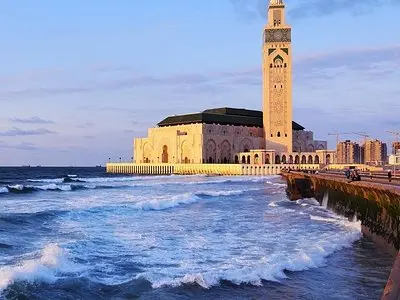
Morocco has two very different coastlines, and choosing between them helps you plan. The Morocco Mediterranean coast is greener, calmer and closer to Europe. The Atlantic coast, which includes Casablanca, Essaouira and Agadir, is longer, windier and better for surf and big-city life.
| Feature | Mediterranean coast | Atlantic coast |
|---|---|---|
| Sea | Calmer, warmer, better for families | Stronger waves and currents, cooler |
| Scenery | Green Rif mountains, cliffs, lagoons | Long beaches, dunes, plains |
| Main cities | Tangier, Tetouan, Al Hoceima | Casablanca, Rabat, Essaouira, Agadir |
| Best for | Relaxed beach stays, mountain towns | Surf, city breaks, long trips |
| Crowds | Busy in July and August | Busy at Agadir and Essaouira in school holidays |
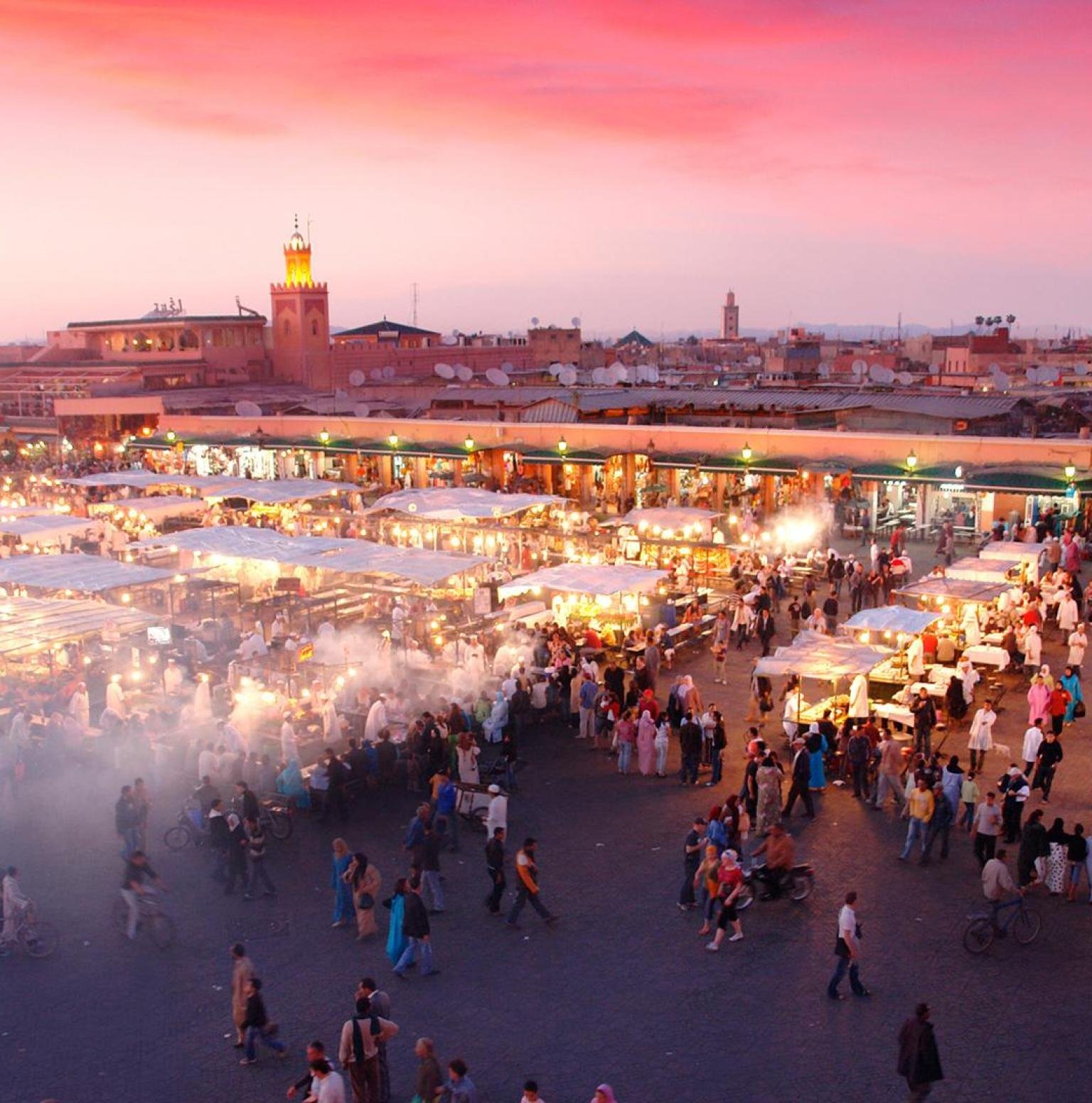
If you want to see the Atlantic side too, read Casablanca what to see, and for the most dramatic coastal sunsets see sunset in Morocco.

How to Get to the Morocco Mediterranean Coast
Reaching the Morocco Mediterranean coast is simple because it is the part of Africa closest to Europe. You have four main options.
- Fly: Tangier has many European flights, and Tetouan, Al Hoceima and Nador have smaller airports with seasonal links. Check current schedules.
- Ferry from Spain: crossings run from Algeciras and Tarifa to Tangier and the Tanger Med port, usually taking one to two hours. Ferries to Nador and Al Hoceima also exist from Spanish ports.
- High-speed train: from Casablanca and Rabat to Tangier, a fast line makes the trip in a few hours.
- Road: a motorway links Tangier with Tetouan and the coast, and mountain roads run on to Al Hoceima. Read car rental in Morocco if you plan to drive.
Always check entry rules before travelling. Our Morocco visa page explains who needs one, and Morocco travel safety covers practical precautions.
Distances Along the Coast
Distances on the Morocco Mediterranean coast are moderate but roads in the Rif are winding. These are rough road distances and times, and they vary with traffic and weather.
| Route | Approx. distance | Approx. drive |
|---|---|---|
| Tangier to Tetouan | about 60 km | About 1 hour |
| Tetouan to Chefchaouen | about 60 km | About 1.5 hours |
| Tangier to Chefchaouen | about 120 km | About 2.5 hours |
| Tetouan to Al Hoceima | about 250 km | About 5 to 6 hours |
| Al Hoceima to Nador | about 160 km | About 3 hours |
| Nador to Saidia | about 100 km | About 1.5 hours |
| Tangier to Fes | about 300 km | About 4 to 5 hours |
As you can see, the western half of the Morocco Mediterranean coast is compact, while the eastern half is spread out. If time is short, focus on Tangier, Tetouan and Chefchaouen, which can all be reached in a day or two.
Food and Drink on the Morocco Mediterranean Coast
Food is a highlight of the Morocco Mediterranean coast. Fresh fish is the main attraction: grilled sardines, sea bream, calamari and prawns, often served simply with lemon, olive oil and salad. Port restaurants in Tangier, M’diq and Al Hoceima cook the day’s catch to order.
- Grilled fish and seafood: choose at the port or the restaurant counter and pay by weight.
- Fish tagine and chermoula: fish cooked with herbs, garlic, cumin and paprika.
- Andalusian pastries: in Tetouan, look for almond sweets and small cakes with Spanish roots.
- Mint tea and coffee: a long cafe culture, especially in Tangier, influenced by Spain and France.
- Mountain cheese and honey: from the Rif and Chefchaouen, often sold in local markets.
Best Time to Visit Morocco Mediterranean
The Morocco Mediterranean coast has a mild Mediterranean climate: warm, dry summers and cooler, wetter winters. The Rif Mountains get more rain than the rest of Morocco and the hills can be misty in winter. Here is how the seasons break down.
| Season | What to expect | Good for |
|---|---|---|
| Spring (March to May) | Mild, green, some rain early | Sightseeing, hiking, photography |
| Summer (June to August) | Warm to hot, sea is warm, resorts are busy | Beach holidays, swimming |
| Autumn (September to November) | Warm sea, fewer crowds | Beach and city mix |
| Winter (December to February) | Cool and wet, quiet resorts | Culture, low prices |
For beach time, June and September are the sweet spot: warm water without the peak-season crowds. For hiking in the Rif, choose spring or autumn. See the seasonal table in our Morocco travel guide for the full country.
Sample Itineraries
These routes show how to build a trip around the Morocco Mediterranean coast. Adjust them to your dates and pace.
| Trip | Route | Days |
|---|---|---|
| Short northern break | Tangier, Tetouan, Chefchaouen, return | 3 to 4 |
| Beach and mountains | Tangier, Martil or M’diq, Chefchaouen, Tangier | 5 to 7 |
| Full northern coast | Tangier, Tetouan, Chefchaouen, Al Hoceima, Nador, Saidia | 8 to 10 |
| North to south | Tangier, Chefchaouen, Fes, Merzouga, Marrakech | 10 to 14 |
Three days on the Morocco Mediterranean coast
Day one: arrive in Tangier, walk the medina and have dinner at the port. Day two: drive to Tetouan for the medina, then continue to Chefchaouen for the evening. Day three: enjoy Chefchaouen in the morning, then return toward the coast or on to Fes.
Seven days of beach and culture
Spend two nights in Tangier and Asilah, two nights at Martil or M’diq for the beach, two nights in Chefchaouen, and a last night back near Tangier before your flight or ferry. This gives a balanced mix of culture, sea and mountains.
Combine the Coast With the Desert
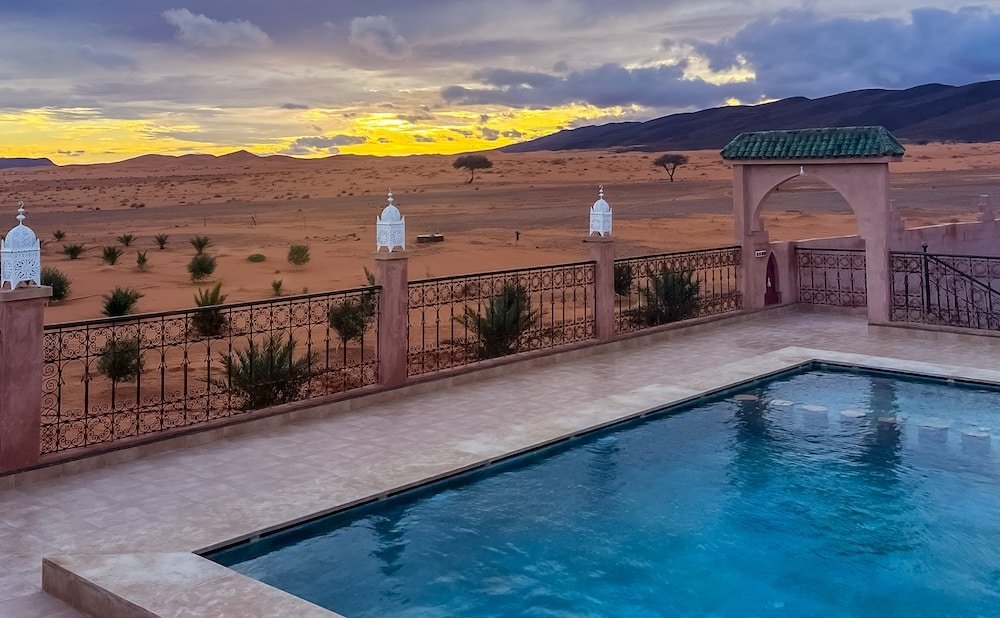
Many travellers pair the Morocco Mediterranean coast with the Sahara for a trip of real contrast: cool green mountains and sea on one side, red-gold dunes on the other. The journey from Tangier or Chefchaouen to Merzouga takes two days on the road, ideally with a night in Fes and another in the Middle Atlas or Ifrane.
After the Morocco Mediterranean section, a night in a Sahara camp makes a memorable finish. See what to do in Merzouga, one night in Merzouga and our desert camps. For a fully organised route, look at our 4×4 trips.


Practical Tips
- Book summer early: Morocco Mediterranean resorts fill in July and August, when prices rise.
- Pack layers: the Rif and Chefchaouen are cooler than the coast, especially at night.
- Carry cash: small restaurants and shops in the Rif may not take cards.
- Use French or Spanish: both help in the north, where Spanish is widely understood.
- Respect local dress: swimwear is for beaches only; cover up in towns and medinas.
- Allow driving time: mountain roads in the Rif are slower than the map suggests.
- Check border and ferry rules: schedules change, so confirm before you travel.
Morocco Mediterranean: Frequently Asked Questions
Does Morocco have a Mediterranean coast?
Yes. The Morocco Mediterranean coast runs about 500 km along the north of the country, from near Tangier to the Algerian border at Saidia.
What is the best town on the Morocco Mediterranean coast?
It depends on what you want. Tangier is best for culture and connections, Tetouan for authenticity, Martil and M’diq for beaches, Chefchaouen for mountains and Al Hoceima for wild scenery.
Can you swim on the Morocco Mediterranean coast?
Yes. The sea is generally calmer and warmer than the Atlantic, and the best swimming season runs from June to September. Swim where others swim and check conditions.
How many days do I need for Morocco Mediterranean?
Three to four days cover Tangier, Tetouan and Chefchaouen. A week lets you add beach time, and ten days lets you reach Al Hoceima and Saidia.
How do I get from Spain to the Morocco Mediterranean coast?
Take a ferry from Algeciras or Tarifa to Tangier or Tanger Med. The crossing usually takes one to two hours, depending on the route.
Is Chefchaouen on the Mediterranean?
No, Chefchaouen is in the Rif Mountains, but it is only about two hours from the Morocco Mediterranean coast and fits naturally into any northern trip.
When is the best time to visit Morocco Mediterranean?
June and September are best for beach weather with fewer crowds. Spring and autumn suit sightseeing and hiking.
Can I combine the coast with the Sahara?
Yes. Many travellers start on the Morocco Mediterranean side and drive south through Fes to Merzouga, which takes about two days with an overnight stop.
Plan Your Trip With Local Help
Whether you want a beach week on the Morocco Mediterranean coast or a route that ends in the Sahara, we can help you plan a realistic itinerary with the right transport and stays. Tell us your dates, your arrival point and what you want to see, and we will suggest a route.
Message us on WhatsApp at +212 620 628 083, see how to book a Merzouga tour, or use the contact page. For official tourism information you can also visit Visit Morocco.